Your water heater suddenly stopped working, and now you’re left with cold showers and growing frustration. It’s one of those unexpected problems that can disrupt your entire day.
You might be wondering what went wrong and how to fix it quickly without calling a costly repair service. Don’t worry—this article will guide you step-by-step through the most common reasons your water heater fails and what you can do right now to get it back up and running.
Keep reading to save time, money, and avoid the stress of a chilly home.
Common Causes
Water heaters stop working suddenly for different reasons. Knowing the common causes helps you fix the problem faster. Some issues are simple and easy to solve. Others may need professional help.
Power Supply Issues
Check if the water heater has power. Sometimes, a loose plug or switch causes the problem. Power cuts or wiring faults can stop the heater from working. Make sure the outlet works by testing it with another device.
Thermostat Problems
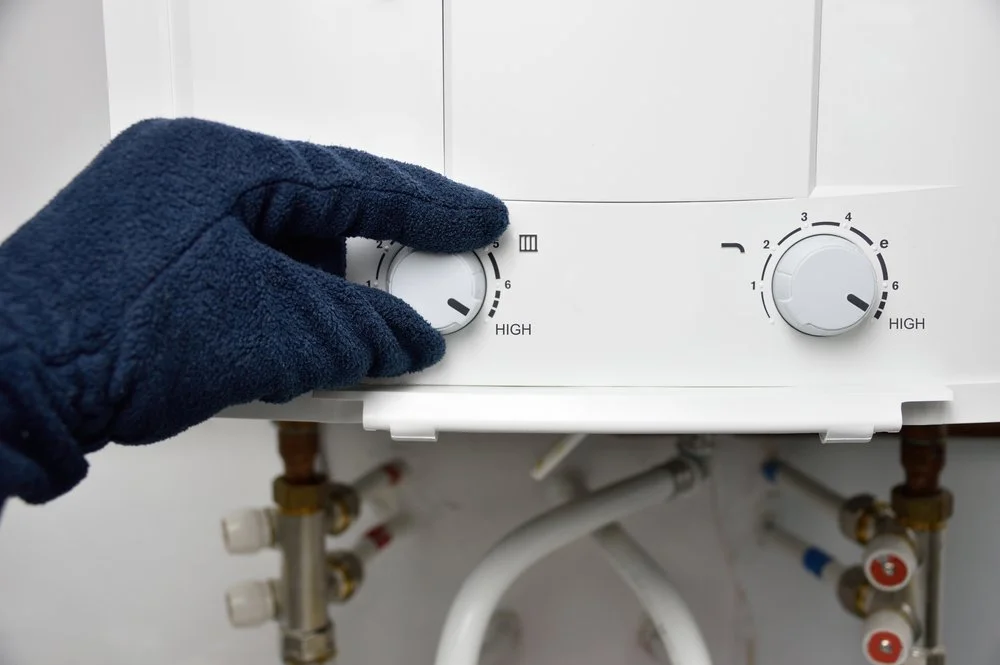
The thermostat controls water temperature. A broken thermostat may stop the heater from heating water. Sometimes, the setting is too low. Adjust the thermostat and see if the water gets warm again.
Heating Element Failure
The heating element warms the water inside the tank. If it breaks, the water stays cold. Over time, minerals can damage the element. Replacing the heating element often fixes this issue.
Tripped Circuit Breaker
Electric water heaters use circuit breakers for safety. A sudden power surge can trip the breaker. This stops electricity from reaching the heater. Reset the breaker and check if the heater works again.
Pilot Light Or Ignition Faults
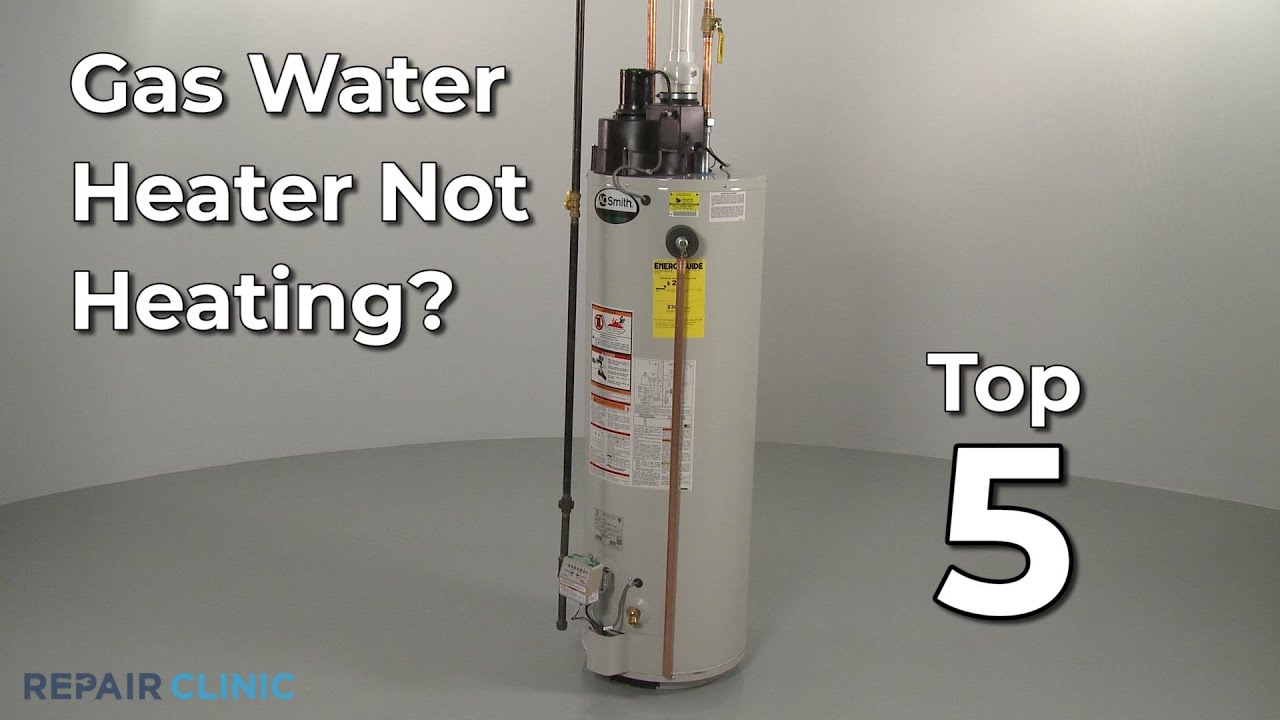
Gas water heaters need a pilot light or electronic ignition. If the pilot light goes out, the heater will not heat. Dirt or gas flow problems can cause ignition faults. Relighting the pilot or cleaning the parts may help.
Safety First
Safety comes first when your water heater stops working suddenly. Avoid risks by handling the problem carefully. Taking the right steps protects you and your home from harm.
Follow these simple safety tips before you try any fixes or call a professional.
Turning Off Power
Always turn off the power before checking your water heater. Find the circuit breaker and switch it off. This stops electricity from flowing and lowers the chance of shock.
If your heater uses a gas pilot, turn off the gas valve. This prevents any accidents during inspection.
Checking For Gas Leaks
Gas leaks are dangerous and must be checked carefully. Smell for gas near the heater. A rotten egg odor is a sign of leaks.
Use a soap and water mix on gas connections. Bubbles show where gas might be escaping. If you see bubbles, leave the area and call a professional immediately.
Using Proper Tools
Use the right tools for any repairs or checks. Wrong tools can cause damage or injury.
Wear gloves and safety glasses to protect your hands and eyes. Use insulated tools if you work near electrical parts.
Proper tools and safety gear make the process safer and easier.
Quick Fix Steps
Water heaters can stop working suddenly. This can be frustrating, especially during cold days. Before calling a repair service, try some quick fixes. These steps are simple and may restore your hot water fast. Follow these easy actions to check your heater.
Resetting The Heater
Locate the reset button on your water heater. It is often red and behind the access panel. Press the button firmly. Wait a few minutes to see if the heater starts working. This can fix minor electrical issues.
Inspecting And Replacing Fuses
Turn off the power to the heater. Check the fuse box for any blown fuses. Replace any damaged fuses with new ones of the same type. This can restore the power supply to the heater.
Relighting The Pilot Light
Find the pilot light on your gas water heater. Turn the gas valve to “pilot” mode. Use a lighter or match to ignite the pilot light. Hold the valve for a few seconds after lighting. This step can restart your heater.
Adjusting The Thermostat
Check the thermostat setting on your water heater. Increase the temperature slightly if it is too low. Avoid setting it too high to save energy and prevent burns. This simple change can improve hot water flow.
Flushing Sediment Build-up
Turn off the heater and water supply. Attach a hose to the drain valve and open it. Let water flow out to remove sediment inside the tank. Close the valve and refill the tank. Sediment can block heating and reduce efficiency.
Credit: www.healingwithhorsesranch.org
When To Call A Professional
A water heater that stops working can cause big trouble. Sometimes, small fixes work. Other times, calling a professional is the best choice. Knowing when to ask for help saves time and keeps your home safe.
Persistent Issues
When your water heater breaks again and again, it needs a professional. Repeated problems show that simple fixes do not work. A technician can find hidden issues and fix them for good.
Gas Water Heater Concerns
Gas water heaters need careful handling. Smells of gas or strange noises are warning signs. Only trained experts should check gas parts to avoid danger. Do not try to fix gas leaks yourself.
Electrical Component Replacement
Electric water heaters have parts that wear out. Replacing electrical parts needs skill and safety knowledge. A professional has the right tools to fix wiring and heating elements safely.
Preventive Tips
Preventing a sudden stop of your water heater saves time and money. Simple care steps keep it running smoothly. Regular checks catch problems early. This helps avoid cold showers and costly repairs.
Regular Maintenance
Schedule maintenance at least once a year. Clean the tank to remove sediment buildup. Check the heating elements for wear. Replace parts that show signs of damage. Regular service extends your heater’s life.
Checking Pressure Relief Valve
Test the pressure relief valve every few months. It prevents dangerous pressure from building up. Lift the valve’s lever and let water flow out. If no water comes, replace the valve. Safety depends on this simple check.
Insulating The Heater
Wrap your water heater with insulation blankets. This keeps heat inside and saves energy. Use materials made for water heaters. Avoid covering the thermostat or burner. Insulation helps the heater work less.
Monitoring Water Quality
Hard water causes scale buildup inside the tank. Use a water softener if your water is hard. Test water quality regularly. Clean the tank more often if water quality is poor. Good water keeps your heater efficient.
Credit: www.icecreamfactoryny.com
Credit: www.informededucation.com
Frequently Asked Questions
Why Did My Water Heater Suddenly Stop Working?
Your water heater may stop due to a tripped breaker, faulty thermostat, or a broken heating element. Check the power supply and reset the breaker. If the issue persists, inspect the thermostat or call a professional plumber for diagnosis.
How Can I Fix A Water Heater That Won’t Heat Water?
First, check if the pilot light or power is on. Reset the thermostat and inspect heating elements. If these steps don’t work, you might need to replace faulty parts or consult a technician for a safe repair.
What Causes A Water Heater To Stop Heating Suddenly?
Common causes include electrical issues, broken heating elements, or thermostat failure. Sediment buildup can also reduce efficiency. Regular maintenance helps prevent sudden breakdowns. Always ensure electrical safety and consider professional inspection for persistent problems.
Is It Safe To Use A Water Heater That Stopped Heating?
It’s unsafe to use a non-heating water heater as it may cause electrical hazards or leaks. Turn off the power or gas supply immediately. Contact a professional plumber to inspect and fix the issue before further use.
Conclusion
A water heater that stops working can cause big problems at home. Check simple things first, like power or pilot light. Sometimes, a quick fix solves the issue. If not, call a professional for help. Regular maintenance helps avoid sudden breakdowns later.
Stay calm and act fast to get hot water back. Remember, small steps can save time and money. Don’t wait too long to fix it. Your comfort depends on a working water heater every day.