Has your relaxing hot shower ever been interrupted by icy cold water? Or have you noticed your water heater mysteriously shutting off at the most inconvenient times?
You’re not alone, and it’s not just a random occurrence. There are several reasons why your water heater might be turning off by itself, and understanding them is crucial to maintaining your comfort and peace of mind. Imagine the relief of knowing exactly what to do when it happens again, or better yet, how to prevent it altogether.
In this post, we’ll uncover the common culprits behind this frustrating issue, empowering you with the knowledge to tackle it head-on. Stay with us, and you’ll soon have the confidence to enjoy uninterrupted hot water whenever you need it.

Credit: www.ssuoruro.gob.bo
Common Causes
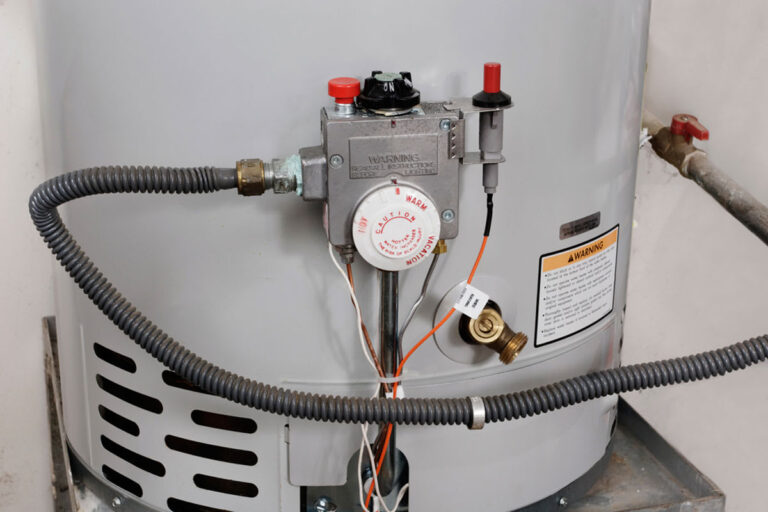
The thermostat might be set too low. Low settings can cause the heater to shut off. Broken thermostats can also be a problem. They might not read the temperature right. This can make the heater stop working. Checking and fixing the thermostat can help.
The pilot light keeps the heater burning. If it goes out, the heater stops. Wind or drafts can blow it out. Dirt or debris can block the flame. Cleaning the area can keep the light burning. Relighting the pilot light might solve the problem.
The heater can get too hot. This is dangerous. Safety features shut it off. Blocked vents or dirty filters can cause overheating. Cleaning these parts can help. Regular maintenance keeps the heater safe.
Bad wiring can cause problems. Wires might be loose or damaged. This can stop the heater. Checking the wires can solve the issue. Calling an expert is a good idea for safety.
Safety Features
Water heaters have automatic shutoff mechanismsfor safety. They stop heaters from overheating. This keeps your home safe. Sometimes, these systems get faulty. They might turn off heaters too soon. If this happens, checking them is important. Technicians can fix these issues. Then, your heater will work normally.
The temperature and pressure relief valvekeeps the heater safe. It releases extra pressure. Too much pressure can be dangerous. This valve helps prevent explosions. If it fails, the heater might turn off. Regular checks are needed. This ensures the valve works well. A faulty valve needs replacement. This keeps your water heater safe.
Troubleshooting Steps
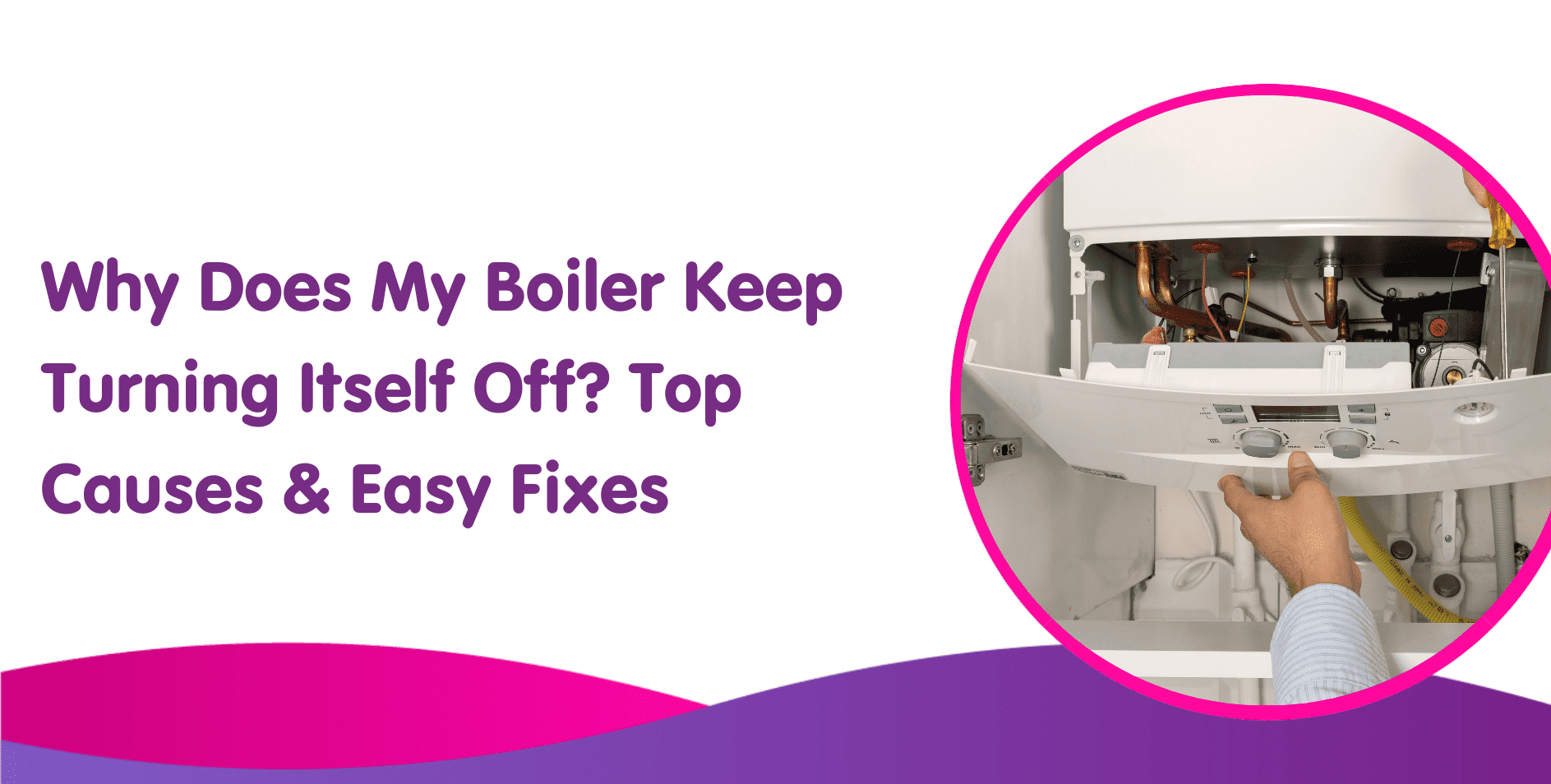
The thermostat controls the water heater’s temperature. Make sure it’s set correctly. Sometimes, it can be faulty or misadjusted. Inspect the thermostat for any signs of damage. Look for loose wires or corrosion. If the thermostat is old, consider replacing it.
The pilot light helps heat the water. If it’s off, the heater won’t work. Open the panel and check the light. If it’s off, relight it carefully. Follow the manufacturer’s instructions. If the light keeps going out, there may be a gas supply issue or a faulty thermocouple.
Electric water heaters need a steady power supply. Check the circuit breaker for any tripped switches. Reset them if needed. Inspect the power cord for damage. If the heater still turns off, there might be an internal issue. Consult a professional for further help.
Credit: www.boilercentral.com
When To Call A Professional
Experiencing unexpected water heater shutdowns can signal underlying issues. Faulty thermostats or sediment buildup might be the cause. Contacting a professional ensures proper diagnosis and repair, restoring comfort and safety.
Identifying Major Issues
Water heater problems can be tricky. Strange noises or leaks are big signs. If your heater smells bad, it’s time to worry. Rusty water is another serious issue. These problems need expert attention. Do not wait too long. Early action can save you money.
Safety Concerns
Your safety is very important. Water heaters use electricity or gas. Both can be dangerous. If you see smoke, call for help. Gas smells are a big warning. Turn off the heater and call a pro. Always stay safe. Never try to fix major issues by yourself. Professionals have the right tools and skills. They can ensure your home stays safe.
Preventive Maintenance Tips
Is your water heater shutting off unexpectedly? Check for loose electrical connections or faulty thermostat settings. Regularly inspect and clean the unit to prevent sediment buildup, ensuring smooth operation. Proper maintenance can help extend the lifespan of your water heater.
Regular Inspections
Check your water heateroften. Look for leaks and rust. These can cause big problems. Listening for strange noisesis important. It can mean trouble inside. Keep an eye on wires and pipes. If they look old, they might need fixing. Regular inspections keep everything working well.
Cleaning And Draining The Tank
Draining the tankhelps remove dirt. This dirt can make the heater stop working. Clean the tank every year. Use a hose to drain the water. Be careful not to burn yourself. Cleaning keeps the heater running smoothly. A clean tank means less problems.
Monitoring Temperature Settings
Check the temperatureoften. Too hot can be dangerous. Set it to a safe level. Use a thermometer if needed. Make sure the settings are right. Wrong settings can cause the heater to turn off. Proper temperature settings prevent issues.
Credit: www.hutchbiz.com
Conclusion
Understanding why your water heater turns off by itself is crucial. Regular checks can help prevent unexpected shutdowns. Common issues include faulty thermostats and sediment buildup. Addressing these problems early can save money. A professional inspection ensures safe and efficient operation.
Don’t ignore warning signs like strange noises or inconsistent water temperatures. Take action promptly to avoid bigger issues. Regular maintenance keeps your water heater running smoothly. This ensures a steady supply of hot water. Remember, a well-maintained heater is key to comfort.
Keep these tips in mind for a reliable water heating experience.