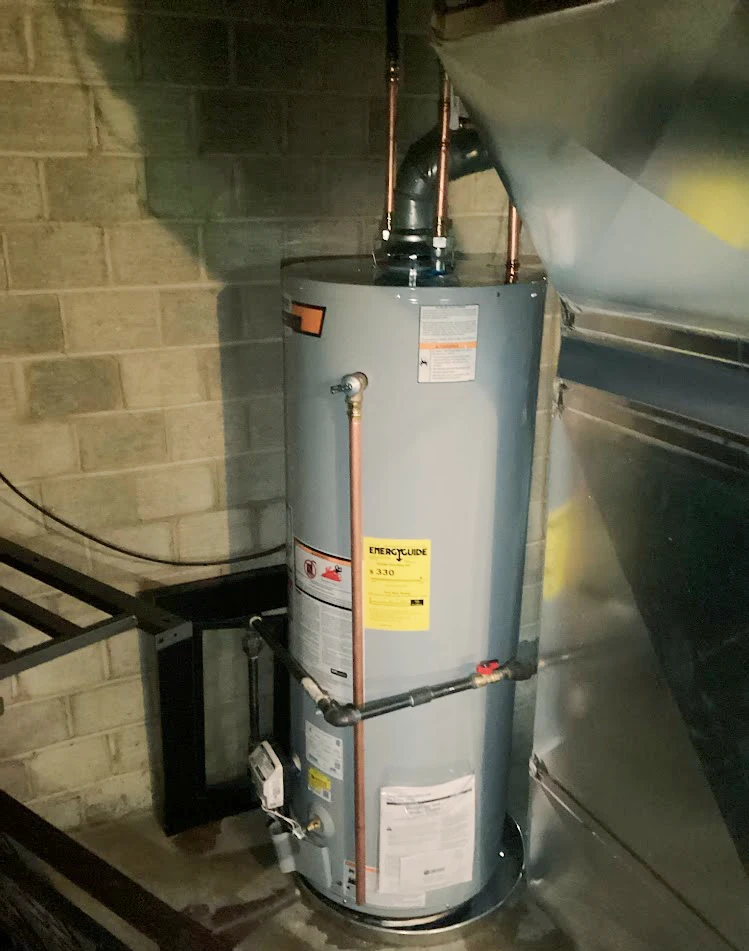
Has your gas water heater stopped working after a power outage? You’re not alone, and the good news is, restarting it is easier than you might think.
Knowing the right steps can save you time, frustration, and even a service call. In this guide, you’ll discover simple, clear instructions to get your hot water flowing again quickly and safely. Keep reading, and you’ll have your gas water heater back up and running in no time.
Check Power Supply
Start by checking the circuit breaker for the water heater. Sometimes, the breaker may trip and cut power. Flip it off and then on to reset. Make sure the breaker is fully in the “on” position.
Next, inspect the power outlet where the heater plugs in. Test it by plugging in another device like a lamp. If the lamp does not turn on, the outlet may have no power. Try a different outlet if needed.
Ensure the power cord is securely connected to the outlet. Loose connections can cause the heater to lose power. Check for any signs of damage on the cord too. Replace if worn or broken.
Turn Off Gas Valve
Locate the gas valve near your water heater. Turn the valve handle clockwise until it stops. This action shuts off the gas supply. It is important to do this before restarting the heater. It helps prevent gas leaks and ensures safety. Wait a few minutes to let any gas clear out. This step protects you from possible hazards. Only after this, continue with the next steps to restart the heater.
Locate Reset Button
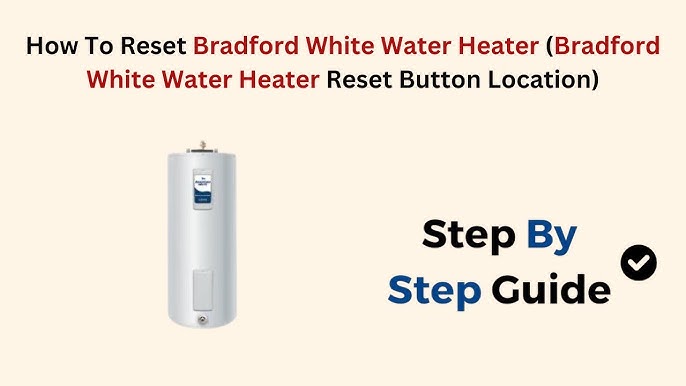
First, find the reset button on your gas water heater. It is usually a small, red button located on the heater’s thermostat or near the burner access panel. Sometimes, the button may be covered by a plastic cap. Remove the cap carefully to press the button.
Before pressing the reset button, turn off the power to the water heater. This step helps avoid electric shocks or other dangers. Also, turn off the gas supply to prevent gas leaks. Wait a few minutes to let any gas clear out before restarting.
After pressing the reset button, restore the gas and power supply. Watch and listen for the burner to ignite. If the heater does not start, do not try pressing the button repeatedly. Call a professional to check your water heater for safety.
Reset Water Heater
Locate the reset button on the water heater. Press and hold it for about 10 seconds. Release the button once the indicator light turns on or blinks. This shows the heater is resetting.
Wait for a few minutes to see if the heater starts working again. The indicator light helps to know if the reset was successful. If the light stays off, try pressing the reset button again.
Relight Pilot Light
Check the manufacturer’s instructions carefully before starting. These instructions tell you the exact steps for your water heater model. Use a long lighter or match to reach the pilot light safely. Keep your face and hands away from the burner area to avoid burns. Turn the gas control knob to the “pilot” position. Hold it down while lighting the pilot light. Keep holding the knob for about 30 seconds after the flame stays lit. Release the knob slowly and check if the pilot light stays on. If the flame goes out, repeat the steps. Never try to light the pilot if you smell gas strongly. Wait a few minutes for the gas to clear before trying again. Safety first, always.
Turn On Gas Valve
Locate the gas valve near your water heater. It usually looks like a small lever or knob. Turn the valve so it is parallel to the pipe. This allows gas to flow into the heater.
Make sure you hear a soft hissing sound. This means the gas is moving. If there is no sound, check if the valve is fully open. Never force the valve if it feels stuck.
Be careful. If you smell gas, do not turn on the valve. Leave the area and call a professional. Safety first.
Test Heater Function
Turn on a hot water tap and wait a few minutes. Check if the water feels warm. Warm water means the heater is working well. Cold water means it may still be off or have a problem.
Listen closely near the heater. Unusual noises like banging or hissing could mean air in the pipes or a faulty part. Normal sounds include soft humming or clicking.
Both tests help confirm the heater’s function after power returns.
Troubleshoot Common Issues
No Pilot Light: Check if the pilot light is off. This often stops the heater from working. Turn off the gas valve and wait 5 minutes before trying to light it again. Follow the instructions on the heater to relight the pilot safely. If it does not stay lit, call a professional.
Gas Smell: A strong gas smell means a possible leak. Do not turn on any electrical switches or flames. Open windows to air out the area. Turn off the gas supply immediately. Contact your gas company or a licensed technician for help.
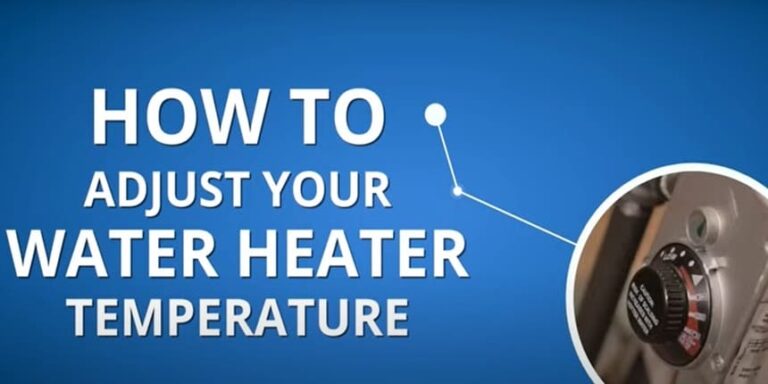
Water Not Heating: Make sure the power is on and the circuit breaker is not tripped. Check the thermostat setting; it should be between 120°F and 140°F. Sediment build-up inside the tank can cause poor heating. Flushing the tank yearly helps maintain heat efficiency.
Conclusion
Restarting your gas water heater after a power outage is simple. Always check for gas leaks before you begin. Follow the steps carefully to avoid mistakes. Keep safety your top priority at all times. A working water heater brings comfort back to your home.
Regular maintenance helps prevent future problems. With a little care, you can fix it yourself. Stay safe and enjoy warm water again today.