Have you ever wondered if your hot water heater thermostats should be set the same? You might think it’s simple to keep them at one temperature, but the answer isn’t always that clear.
Setting your thermostats correctly can save you money, keep your water comfortable, and even extend the life of your heater. You’ll discover why it matters, what experts recommend, and how to find the perfect balance for your home. Keep reading—you’ll want to know these key tips to get the most from your hot water heater.
Thermostat Basics
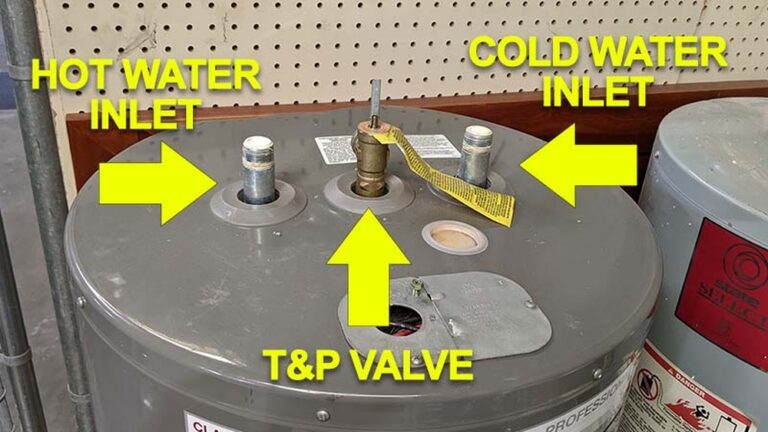
Hot water heater thermostats control the water temperature inside the tank. They work by sensing the water’s heat and turning the heater on or off to keep water at the set level. Most heaters have two thermostats, one for the top and one for the bottom of the tank.
Common settings range between 120°F and 140°F. Setting the thermostat too high can waste energy and cause burns. Too low, and the water might not be hot enough for daily use.
| Temperature Setting | Use | Energy Impact |
|---|---|---|
| 120°F | Safe for most homes, saves energy | Low |
| 130°F | Good balance of heat and safety | Medium |
| 140°F | Hotter water, risk of burns | High |
Factors Affecting Thermostat Settings
Household size affects thermostat settings a lot. Bigger families use more hot water. They need higher temperatures to keep up. Small households can save energy by using lower settings.
Energy efficiency is key to saving money. Setting the thermostat at 120°F is often enough. It cuts energy use and lowers bills. Higher temperatures waste energy and cost more.
Safety matters too. Hot water above 120°F can cause burns. Kids and elderly people are at risk. Lower settings reduce the chance of scalding accidents. Proper thermostat settings keep everyone safe.
Pros And Cons Of Uniform Settings
Setting hot water heater thermostats the same can help keep water temperature steady. This makes it easy to predict when water is hot enough for baths or dishes. It can also save energy by avoiding overheating. Many people find it safer because it lowers the chance of scalding. Consistent temps can also protect your pipes from damage caused by too much heat.
On the downside, different parts of a house may need different water temperatures. Some rooms may want hotter water for washing, while others prefer it cooler for safety. Setting all thermostats the same might waste energy in areas that do not need very hot water. It can also cause discomfort if the water is too hot or too cold for certain uses.
Customizing Thermostat Settings
Different water heaters need different thermostat settings. Tankless heaters often need a higher setting than tank models. This is because they heat water on demand and must reach the right temperature quickly.
Rooms and climate also affect the best temperature setting. Colder rooms might need a warmer setting to keep water comfortable. Warmer climates may allow lower settings to save energy.
Follow these tips for the best temperature:
- Set the thermostat between 120°F and 140°F for safety and comfort.
- Lower the temperature in warmer rooms to save energy.
- Check your heater’s manual for specific recommendations.
- Adjust settings based on how much hot water you use.
Energy Savings And Cost Implications
Setting hot water heater thermostats at the same temperature may not save energy. Different heaters serve different needs. For example, a kitchen heater might need a higher setting than a bathroom one. Lowering the thermostat by just a few degrees can cut utility bills significantly. It uses less electricity or gas to keep water warm.
Smart thermostat options help control water temperature better. They learn your schedule and adjust heat automatically. This saves energy without losing comfort. Some models let you control settings from your phone. They also provide reports on energy use, helping find ways to save more money.
Maintenance And Troubleshooting
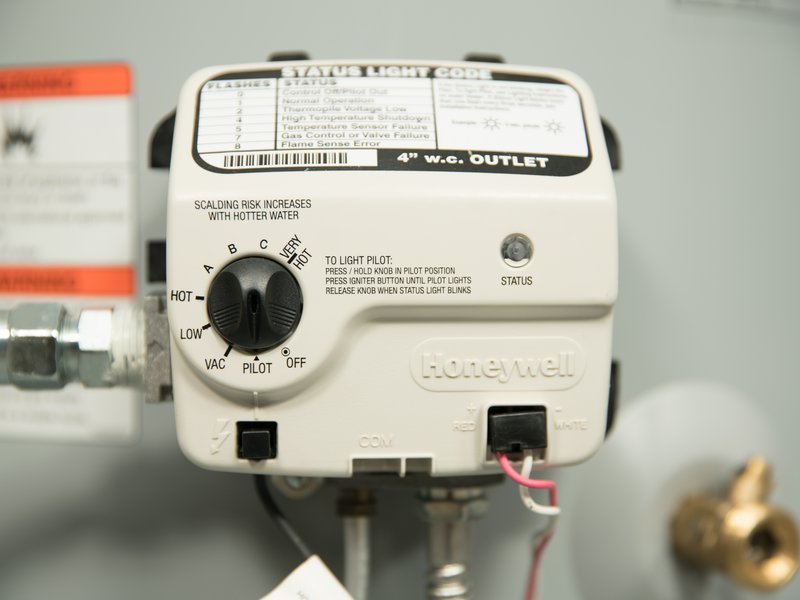
Check the thermostat’s temperature with a reliable thermometer. Set the thermostat to a certain degree, then wait for the water to heat. Measure the water temperature after 30 minutes. If the water is much hotter or cooler than the set temperature, the thermostat may be inaccurate.
Signs of malfunction include water that is too hot or too cold. Strange noises from the heater can also show problems. If the water heater runs too often, the thermostat might be faulty. Leaks or rust around the heater can mean trouble too.
Credit: www.hotwater.com
Frequently Asked Questions
Should All Hot Water Heater Thermostats Be Set The Same?
No, thermostats need not be set identically. Settings depend on water usage and household needs. Customize for comfort and energy efficiency.
What Is The Ideal Temperature For Water Heater Thermostats?
The ideal setting is 120°F (49°C). This prevents scalding and saves energy while providing comfortable hot water.
Can Different Thermostat Settings Save Energy?
Yes, lower temperatures reduce energy use. Adjust thermostats based on water demand in each area to optimize savings.
How Do Thermostat Settings Affect Water Heater Lifespan?
Proper settings prevent overheating and reduce wear. Setting thermostats too high can damage the heater and shorten its life.
Conclusion
Setting hot water heater thermostats the same can save energy and money. It helps keep water temperature steady and safe. Avoid too high settings to prevent burns and reduce costs. Different heater types may need different settings for best results.
Check your heater’s manual for guidance. Small adjustments can make a big difference. Keep your home comfortable without wasting energy. Simple steps lead to better water heating. Consider your household needs before setting the thermostat. Stay safe and save with smart thermostat choices.