Is your gas water heater not working after a power outage? You’re not alone, and it’s more common than you might think.
When the power flickers back on, your heater may refuse to start, leaving you without hot water when you need it most. Don’t worry—this problem often has simple fixes. You’ll discover easy steps to get your gas water heater running again quickly.
Keep reading, and you’ll be back to enjoying warm showers in no time.

Credit: waterheatingdirect.com
Common Causes After Power Outage
Power outages can disrupt your gas water heater. After the electricity comes back, your heater may not work as it should. Understanding common causes helps you spot the problem faster. Most issues are simple and fixable.
Tripped Circuit Breaker
The circuit breaker might switch off during a power outage. This stops electricity from reaching the water heater. Check your breaker box for any tripped switches. Flip the breaker back on to restore power.
Pilot Light Issues
The pilot light can go out when the power cuts off. Without the pilot light, the heater won’t ignite gas. Relighting it often solves the problem. Follow your heater’s instructions to safely relight the pilot.
Thermocouple Problems
The thermocouple senses the pilot light’s heat. It tells the gas valve to stay open. A weak or broken thermocouple stops the gas flow. Replacing it may be necessary to fix the heater.
Gas Supply Interruptions
Power outages can affect gas supply systems. The gas valve or meter might shut off for safety. Contact your gas company to check if the supply is restored. Without gas, the heater won’t work.
Checking Electrical Components
Checking the electrical components is a key step to fix a gas water heater after a power outage. Electrical parts control the ignition and safety features. Faulty wiring or a tripped breaker can stop the heater from working. Small problems here often cause big issues.
Resetting The Breaker
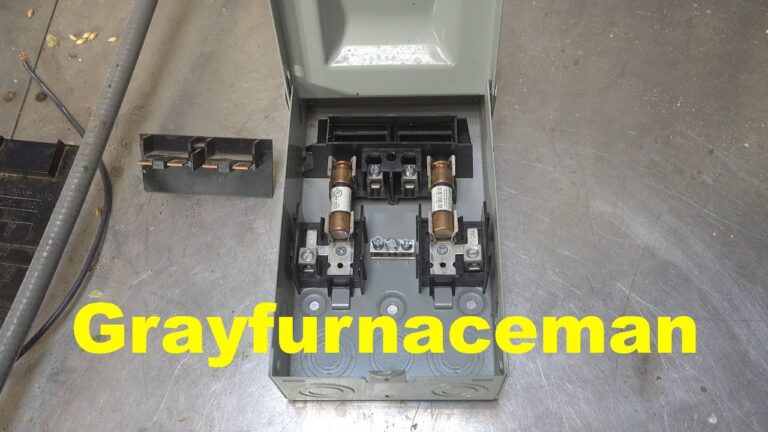
The circuit breaker may trip during a power outage. Locate the breaker box and find the switch for the water heater. Flip it off and then on again to reset it. This simple step often restores power. Make sure the breaker stays on after resetting.
Inspecting Wiring And Connections
Loose or damaged wires can prevent the heater from starting. Turn off the power before checking the wiring. Look for frayed wires or burnt spots. Tighten any loose connections carefully. Clean any dust or dirt around the terminals. Safe wiring helps the heater work properly.
Testing The Ignition System
The ignition system lights the pilot flame or burner. Power outages can disrupt the ignition components. Use a multimeter to check for voltage at the ignition module. Listen for clicking sounds when the heater tries to start. Replace any faulty parts to get the ignition working again.
Inspecting The Gas Supply
After a power outage, your gas water heater may stop working. Checking the gas supply is important. This step helps find if the problem is due to gas flow. Without gas, the heater cannot produce hot water. Follow these simple checks to ensure the gas supply is okay.
Verifying Gas Valve Position
Locate the gas valve near your water heater. It usually looks like a small lever or knob. Make sure the valve is in the “on” position. Sometimes power outages cause the valve to switch off for safety. If the valve is off, turn it back on carefully. This step is often the easiest fix.
Checking For Gas Leaks
Smell around the water heater for any gas odor. Gas leaks can be dangerous and must be handled immediately. Use a soap and water solution on gas pipe joints. Bubbles will form if there is a leak. If you spot bubbles or smell gas, do not try to fix it yourself. Leave the area and call a professional right away.
Contacting Gas Provider
If the gas valve is on and no leaks are found, contact your gas provider. There may be a gas supply issue in your area after the outage. The gas company can confirm if the supply is active. They can also send a technician if needed. This step ensures your gas service is safe and working properly.
Pilot Light Troubleshooting
The pilot light is a small flame that ignites the gas in your water heater. After a power outage, it might go out or stop working properly. Checking and fixing the pilot light can often solve the problem of your gas water heater not working.
Below are simple steps to troubleshoot the pilot light issue safely and effectively.
Relighting The Pilot
First, turn off the gas supply to the water heater. Wait for five minutes to let any gas clear out. Locate the pilot light assembly near the bottom of the heater. Use a long lighter or match to relight the pilot while pressing the reset button. Keep the button pressed for about 30 seconds after the flame is lit. Release the button slowly and check if the flame stays on. If it goes out, try again or move to the next step.
Cleaning The Pilot Assembly
Dirt or dust can block the pilot light. Turn off the gas and power supply before cleaning. Use a small brush or compressed air to clean the pilot tube and burner area. Remove any spider webs, dirt, or debris carefully. Cleaning helps the gas flow properly and keeps the flame steady. After cleaning, try relighting the pilot again.
Replacing Faulty Thermocouple
The thermocouple senses the pilot flame and controls gas flow. If it is broken, the gas supply will stop. Signs of a bad thermocouple include the pilot light going out often. Turn off the gas and power, then remove the old thermocouple. Install a new one in the same position. Tighten the connections and relight the pilot light. This may fix the issue and restore your water heater’s function.
Preventive Tips For Future Outages
Power outages can disrupt your gas water heater’s function. Taking steps now helps avoid future problems. Simple preventive measures protect your heater and keep it working.
Surge Protectors Installation
Power surges can damage your water heater’s electronic parts. Installing surge protectors guards against sudden voltage spikes. These devices are affordable and easy to add. They help prevent costly repairs or replacements.
Regular Maintenance Schedule
Routine checks keep your water heater in top shape. Inspect the pilot light, thermocouple, and wiring often. Clean the burner and vents regularly to ensure safety. Scheduling maintenance helps catch issues early and avoid outages.
Backup Power Options
Backup power keeps your heater running during outages. Consider a generator or battery backup system. Choose a model suitable for your home’s power needs. This option provides hot water even when the grid fails.

Credit: www.khasakh.com
Credit: www.reddit.com
Frequently Asked Questions
Why Is My Gas Water Heater Not Working After Outage?
A power outage can reset your heater’s control system. Check the pilot light and circuit breaker. Relight the pilot if needed and reset the breaker to restore function.
How To Reset A Gas Water Heater After Power Loss?
Locate the reset button on the heater, usually near the thermostat. Press and hold it for a few seconds. This often restores normal operation after an outage or fault.
Can A Power Outage Damage My Gas Water Heater?
Power outages rarely damage gas water heaters. However, electrical components might malfunction. Inspect for blown fuses or tripped breakers to ensure proper operation.
Why Won’t The Pilot Light Stay On After Outage?
The pilot light may fail due to a faulty thermocouple or gas valve. Check these parts and ensure gas supply is uninterrupted for reliable ignition.
Conclusion
A gas water heater may stop working after a power outage due to safety features or electrical issues. Check the pilot light, circuit breaker, and reset the unit if needed. Sometimes, waiting a few minutes helps the system restart. Regular maintenance can prevent future problems.
If the heater still does not work, call a professional technician for help. Staying calm and following these steps can restore hot water quickly. Don’t ignore small issues—they often lead to bigger repairs later. Keep your home safe and warm by acting promptly.