Is your Suburban water heater acting up right when you need it most? You rely on it every day for hot showers, washing dishes, and keeping your home comfortable.
When it stops working, frustration sets in fast. But don’t worry—most water heater problems have simple fixes you can handle yourself. In this guide, you’ll discover easy troubleshooting tips that save you time and money. Keep reading to learn how to get your Suburban water heater back to peak performance quickly and hassle-free.
Your comfort is just a few steps away.
Credit: www.liftingitalia.com
Common Water Heater Issues
Water heaters are essential in every home. They provide comfort and convenience. Sometimes, these heaters face common problems. Knowing these issues helps you fix them fast. It also prevents bigger damage and saves money.
No Hot Water
No hot water is a frequent problem. It can happen if the pilot light goes out. A broken thermostat can also cause this issue. Sometimes, the heating element fails. Checking these parts can help find the problem quickly.
Water Too Hot
Water that is too hot can be dangerous. It often means the thermostat is set too high. A faulty thermostat may not stop heating. Lowering the temperature or replacing the thermostat solves this problem.
Strange Noises
Strange noises come from the water heater tank. These sounds are often caused by sediment build-up. Sediment hardens and traps water under it. The trapped water boils and makes popping sounds. Flushing the tank removes sediment and stops noise.
Leaking Tank
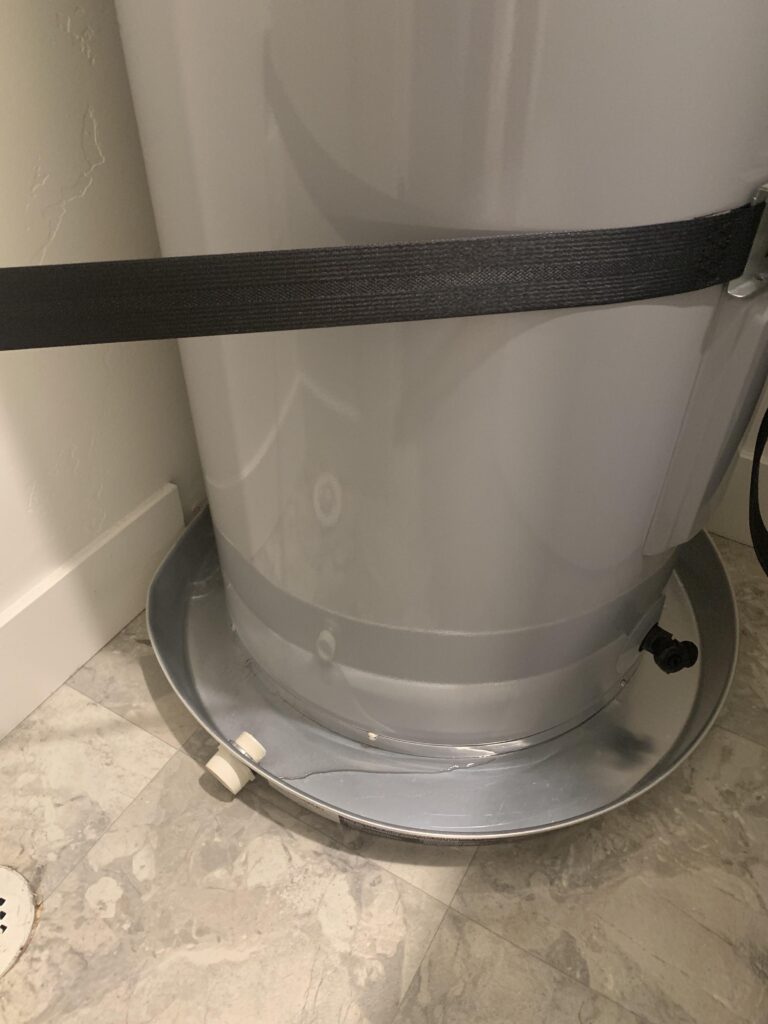
A leaking tank is a serious issue. It can cause water damage in the home. Leaks usually come from cracks or loose connections. Tightening fittings may help. Large leaks might need tank replacement.
Discolored Water
Discolored water looks rusty or dirty. It often means rust inside the tank. Corroded pipes can also cause discoloration. Flushing the tank and checking pipes improves water quality. Using a water filter can help too.
Credit: manuals.heartlandowners.org
Basic Tools For Troubleshooting
Troubleshooting a Suburban water heater requires some basic tools. These tools help you find problems and fix them safely. Having the right equipment makes the process faster and easier.
Understanding the tools needed is the first step. Prepare yourself before starting any repair or checkup.
Essential Tools List
A flathead screwdriver is useful for removing panels and covers. A Phillips screwdriver works for screws with a cross shape.
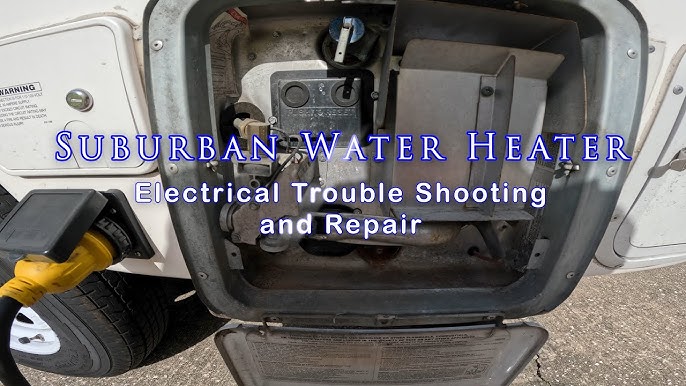
A multimeter helps check electrical parts like fuses and heating elements. It shows if the parts get power or not.
Wrenches or pliers assist in loosening or tightening nuts and bolts. Adjustable wrenches fit different sizes.
A flashlight lights dark areas inside the heater. This helps see small parts clearly.
Paper towels or a small cloth are handy for cleaning spills and drying parts.
Safety Gear
Wear safety gloves to protect your hands from hot or sharp parts. Gloves also prevent burns and cuts.
Safety glasses shield your eyes from dust and debris. Water heater repairs can cause small particles to fly.
Use a mask if dust or fumes are present. It keeps your lungs safe during repair work.
Make sure the heater is turned off before starting. This lowers the risk of electric shock or injury.
Quick Fixes For No Hot Water
Cold showers are never fun. A Suburban water heater not producing hot water can disrupt daily routines. Some simple checks can often solve this issue quickly. These quick fixes help avoid costly repairs and get hot water flowing again.
Check Power Supply
First, verify the water heater has power. Look at the circuit breaker to see if it tripped. Reset it if needed. For electric models, ensure the power switch is on. Without electricity, the heater cannot warm water.
Inspect Thermostat Settings
Next, check the thermostat temperature. It may be set too low or turned off. Adjust it to around 120 degrees Fahrenheit for safe, warm water. A faulty thermostat can stop heating, so replace if needed.
Reset The Heater
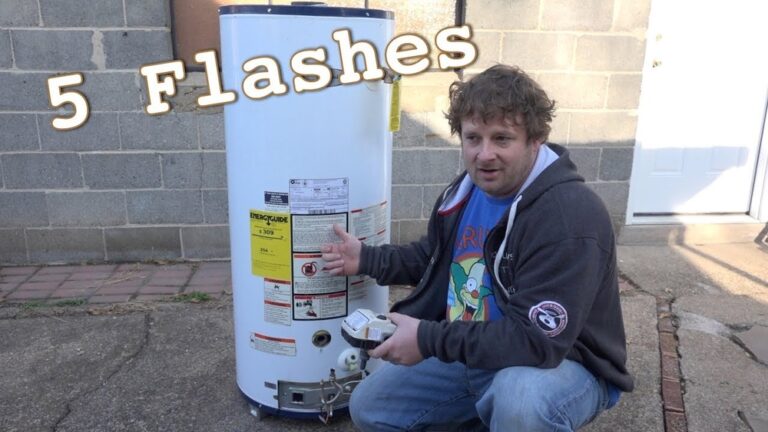
Many Suburban heaters have a reset button. Press it to restart the system. This can clear minor faults and restore heating. Follow the manufacturer’s instructions for resetting the heater safely.
Credit: www.youtube.com
Adjusting Temperature Settings
Adjusting the temperature settings on your Suburban water heater can improve comfort and save energy. Setting the right temperature helps avoid hot water that is too cold or too hot. This section covers simple steps to check and change the temperature safely.
Thermostat Calibration
The thermostat controls the water temperature inside the heater. Over time, it may become inaccurate. Check the current setting by removing the access panel and using a screwdriver to adjust the dial. The ideal temperature is usually around 120°F (49°C). This setting keeps water warm without wasting energy. Always turn off the power before adjusting the thermostat to stay safe.
Avoiding Scalding Risks
Water that is too hot can cause burns quickly. Children and elderly people are especially at risk. Keep the temperature below 120°F to prevent scalding accidents. Test the water with your hand before use. If the water feels too hot, lower the thermostat setting. Installing anti-scald devices on faucets adds extra protection.
Silencing Strange Noises
Strange noises from your Suburban water heater can be annoying. These sounds often signal a problem inside the tank. Fixing the noise helps your heater work better and last longer.
Simple checks can stop the rattling, banging, or popping sounds. Start with easy steps to find the cause and quiet your heater fast.
Flushing Sediment
Hard water leaves sediment in the tank. Sediment builds up and causes noise. It creates popping or rumbling sounds during heating.
Drain the tank to remove sediment. Turn off the heater and water supply first. Open the drain valve and let water flow out. Flush until the water runs clear. This clears sediment and reduces noise.
Checking Heating Elements
Heating elements may wear out or get covered in scale. This causes humming or buzzing sounds. Test elements with a multimeter to check for faults.
Turn off power before testing. Replace damaged elements. Clean any scale buildup to stop noises. Well-maintained elements heat water quietly and efficiently.
Stopping Leaks Quickly
Stopping leaks quickly in your Suburban water heater helps avoid big problems. Small leaks can cause water damage and waste energy. Fixing leaks fast saves money and keeps your heater working well. This section guides you on how to find and temporarily repair leaks. Act fast and protect your home from water damage.
Identifying Leak Sources
Check where the water comes from first. Look around the pipes, valves, and tank base. Watch for water drops or wet spots. Use a flashlight to see hard spots. Tighten loose fittings with a wrench. If the leak is from a crack or rust, note the exact place. Knowing the source helps plan the repair.
Temporary Leak Repairs
Use plumber’s tape or rubber patches to stop small leaks. Wrap tape tightly around leaking pipes. For cracks, apply a rubber patch and seal with waterproof glue. Turn off water supply before fixing. These fixes hold until a professional repair or replacement. Avoid using too much force on fragile parts.
Improving Water Quality
Improving water quality in your Suburban water heater helps keep your water clean and safe. Good water quality also extends the life of your heater. Low water quality can cause rust, sediment buildup, and bad odors. Regular maintenance fixes these problems and keeps your water fresh.
Cleaning The Tank
Cleaning the tank removes sediment and dirt inside the heater. Sediment buildup lowers water temperature and causes noise. Drain the tank fully and flush it with fresh water. Use a hose to clear out all debris. Clean the tank every year for best results.
Replacing Anode Rod
The anode rod protects your tank from rust and corrosion. It slowly wears out and needs replacement. Check the rod every two years. Replace it if it is less than half an inch thick. A new rod keeps your water clean and prevents tank damage.
When To Call A Professional
Knowing when to call a professional for Suburban water heater issues saves time and avoids damage. Some problems need expert tools and skills. Trying to fix these without training can cause more harm.
Recognizing the signs of serious trouble helps you act fast. Early professional help keeps your water heater safe and working well. It also prevents costly repairs in the future.
Signs You Need Expert Help
Water leaks around the heater require immediate attention. Strange noises like banging or popping show internal problems. If the water is not heating or is too hot, call a technician. Frequent pilot light outages or strange smells also signal trouble. Any sign of rust or corrosion on the tank means a professional check is needed.
Preparing For The Service Visit
Clear the area around your water heater for easy access. Write down the issues you noticed to explain clearly. Have your model number and warranty information ready. Turn off the power or gas supply before the technician arrives. This helps the expert start work safely and quickly.
Frequently Asked Questions
How To Reset A Suburban Water Heater Pilot Light?
To reset, turn off the gas supply first. Wait five minutes to clear gas. Then, press and hold the pilot button while igniting the pilot light. Keep holding the button for 30 seconds before releasing. This restarts the ignition safely.
Why Is My Suburban Water Heater Not Heating Water?
Common causes include a faulty thermostat, pilot light issues, or gas supply problems. Check if the pilot light is lit. Inspect the thermostat settings and gas valve. Call a professional if problems persist to avoid safety risks.
How To Troubleshoot Suburban Water Heater Pilot Light Problems?
Ensure gas supply is on and pilot light is clean. Check for dirt or debris around the pilot area. Use a long lighter to ignite if necessary. If the pilot won’t stay lit, the thermocouple might need replacement.
What Causes Suburban Water Heater To Leak Water?
Leaks often result from a faulty pressure relief valve or corroded tank. Inspect connections and valves for moisture. Tighten any loose fittings. If leaks continue, the tank may need professional inspection or replacement.
Conclusion
Suburban water heater issues can feel frustrating and confusing. Simple checks often solve common problems quickly. Regular maintenance helps avoid many troubles later. Safety matters—always turn off power or gas before inspecting. When problems persist, call a professional for help.
Taking small steps can save time and money. Keep your water heater working well for comfort and peace of mind. Troubleshooting does not have to be hard. Stay calm, follow easy tips, and enjoy warm water every day.