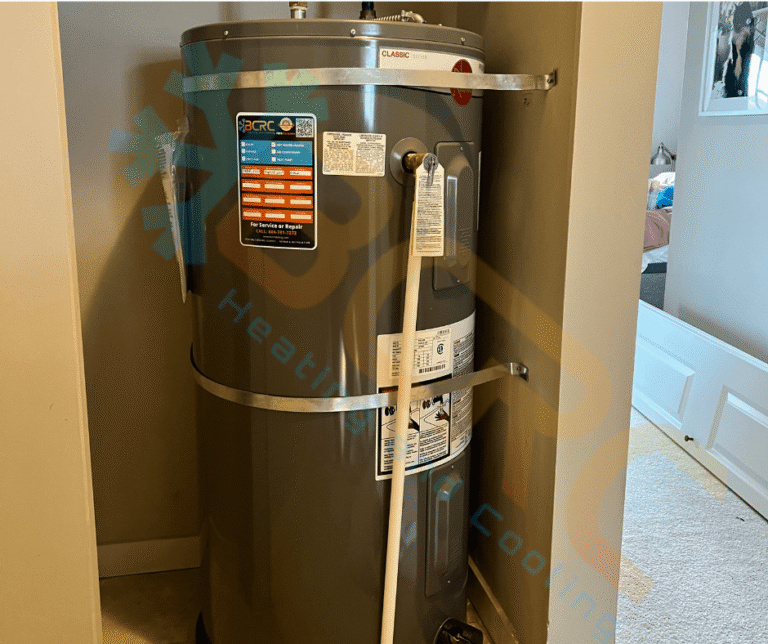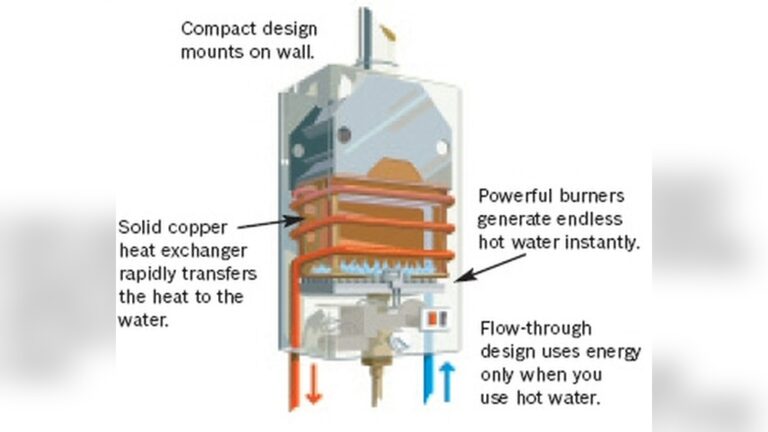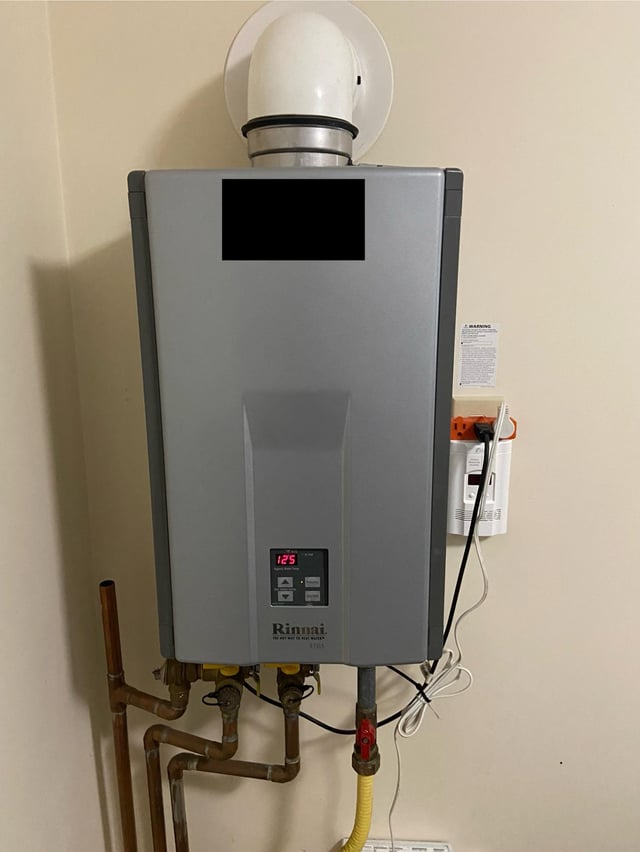
Is your gas water heater pilot light not working? This small flame plays a big role in keeping your water warm and ready for use.
When it goes out, you’re left with cold showers and frustration. But don’t worry—understanding why your pilot light won’t stay lit can save you time, money, and stress. You’ll discover simple steps to diagnose the problem and get your water heater back to work quickly.
Keep reading to find the easy fixes and expert tips that anyone can follow.

Credit: www.youtube.com
Common Reasons For Pilot Light Failure
The pilot light in a gas water heater is a small flame that ignites the gas burner. When this light stops working, the water heater cannot heat water. Several common problems cause pilot light failure. Understanding these helps you spot and fix issues quickly.
Some problems come from worn parts. Others happen because of dirt or gas supply issues. Identifying the cause saves time and money on repairs.
Thermocouple Issues
The thermocouple is a safety device. It senses if the pilot light is on. If the thermocouple is faulty or dirty, it may shut off the gas. This causes the pilot light to go out. Replacing or cleaning the thermocouple often solves this problem.
Gas Supply Problems
Gas supply must be steady and strong. A closed valve or low gas pressure stops the pilot light. Sometimes, gas leaks or blockages occur in the line. Checking the gas valve and pipes helps find these problems.
Dirty Pilot Orifice
The pilot orifice is a tiny hole where gas comes out. Dirt or soot can clog this hole. A clogged orifice stops gas flow to the pilot light. Cleaning the orifice carefully can restore the flame.
Faulty Ignition System
The ignition system lights the pilot flame. If the igniter or spark generator fails, the pilot will not light. Faulty wiring or worn parts cause ignition problems. Repairing or replacing these parts fixes the issue.

Credit: www.aosmithatlowes.com
Safety Precautions Before Troubleshooting
Before starting to fix a gas water heater pilot light that is not working, safety comes first. Gas appliances can be risky without the right steps. Taking safety measures protects you and your home from accidents.
Follow simple but important rules to keep safe. These steps help avoid gas leaks, fires, or burns. Every homeowner should know what to do before troubleshooting.
Shutting Off The Gas
Turn off the gas supply before any work on the heater. Locate the gas valve near the water heater. Twist it to the off position. This stops gas flow and lowers the risk of leaks or explosions. Never skip this step.
Ventilation Importance
Open windows and doors to allow fresh air in. Good airflow prevents the build-up of harmful gases. Carbon monoxide can gather quickly in closed spaces. Proper ventilation helps you breathe safely while working.
Using Protective Gear
Wear gloves and safety glasses to protect your hands and eyes. Gas heaters can get hot and cause burns. Gloves also keep dirt and chemicals off your skin. Safety gear adds an important layer of protection.
Step-by-step Pilot Light Relighting
Relighting the pilot light on a gas water heater is a common task. It restores heat and hot water quickly. This guide breaks down the process into clear, simple steps. Follow each step carefully to safely relight the pilot light.
Locate The Pilot Light Assembly
First, find the pilot light assembly. It is usually near the bottom of the heater. Look for a small metal tube or a glass window. This area holds the pilot light and gas valve. Make sure the heater is off before proceeding.
Ignition Process
Turn the gas control knob to the “Pilot” position. Press it down to start the gas flow. Use a lighter or match to ignite the pilot light. Hold the flame close to the pilot opening until it lights. Watch carefully for the flame to catch.
Holding The Reset Button
After the pilot lights, keep the reset button pressed. Hold it for about 30 seconds to warm the thermocouple. This part senses the flame and keeps the gas flowing. Release the button slowly. The pilot should stay lit. If it goes out, repeat the steps.
Cleaning And Maintenance Tips
Keeping your gas water heater’s pilot light working well needs regular cleaning and care. Dirt, dust, and small blockages can stop the pilot light from lighting or staying on. Simple maintenance tasks help keep everything safe and efficient.
Here are easy steps to clean and check parts that affect the pilot light.
Cleaning The Pilot Orifice
The pilot orifice is a tiny hole that lets gas flow to the pilot light. Dirt can block it and stop the flame. Use a soft brush or compressed air to clean the orifice gently. Avoid poking it with sharp objects. Clean it once every six months to keep gas flowing well.
Checking The Thermocouple
The thermocouple senses the pilot light’s heat and tells the gas valve to stay open. If dirty or damaged, it stops working. Wipe it gently with sandpaper or a clean cloth to remove soot and dirt. Check for signs of wear or damage. Replace it if it looks bent or broken.
Inspecting Gas Lines
Gas lines carry fuel to your heater. Leaks or blockages can stop the pilot light or cause danger. Look for cracks, rust, or loose connections. Smell for gas leaks. If you detect a leak, turn off the gas supply and call a professional immediately. Keep gas lines clean and secure for safe operation.
When To Replace Parts
Knowing when to replace parts of your gas water heater is key to keeping it working well. Parts like the thermocouple and igniter wear out over time. Catching signs early can save you money and hassle. This section guides you on when to change these parts for smooth operation.
Thermocouple Replacement Signs
The thermocouple stops gas flow if the pilot light goes out. Signs it needs replacing include:
- Pilot light won’t stay lit for long.
- Burner shuts off unexpectedly.
- You smell gas near the heater.
- The pilot light is weak or flickering.
If these happen often, the thermocouple is likely faulty.
Igniter Replacement Indicators
The igniter lights the pilot flame. Watch for these signs:
- Pilot light won’t ignite at all.
- You hear clicking but no flame appears.
- The igniter looks dirty or damaged.
- Repeated attempts to light the pilot fail.
Replacing the igniter can fix these issues quickly.
Professional Help Recommendations
Some problems need expert attention. Call a professional if:
- You smell gas but can’t find the source.
- Parts need complex tools or knowledge.
- Repeated repairs don’t fix the problem.
- You feel unsafe handling gas parts.
Experts ensure safe and proper repair of your heater.
Preventing Future Pilot Light Issues
Preventing future pilot light problems keeps your water heater working well. Small steps help avoid breakdowns and costly repairs. Focus on simple habits that protect your gas water heater.
Regular Maintenance Schedule
Set a regular time to check your water heater. Clean dust and debris from the pilot light area. Inspect the flame to ensure it burns steady and blue. Replace worn parts before they cause issues. Regular care extends the heater’s life and stops pilot light failures.
Proper Ventilation Practices
Good airflow is key for a pilot light to stay lit. Keep vents and airways clear of blockages. Avoid covering or sealing vents near the heater. Proper ventilation prevents gas build-up and helps the flame burn correctly. Safe airflow reduces the chance of the pilot light going out.
Monitoring Gas Pressure
Correct gas pressure is vital for pilot light function. Check pressure levels with a gauge or call a professional. Too low or too high pressure can cause the flame to flicker or die. Steady gas flow keeps the pilot light stable. Regular checks protect your heater from gas supply issues.

Credit: www.esseg.eu
Frequently Asked Questions
Why Is My Gas Water Heater Pilot Light Not Staying Lit?
The pilot light may not stay lit due to a faulty thermocouple, dirt buildup, or gas supply issues. Cleaning or replacing parts can fix this problem. Ensure proper ventilation and check for gas leaks to maintain safety.
How Do I Relight A Gas Water Heater Pilot Light Safely?
Turn off the gas supply and wait five minutes before relighting. Follow the manufacturer’s instructions to ignite the pilot. Use a long lighter or match and keep the button pressed until the flame stabilizes.
What Causes A Gas Water Heater Pilot Light To Go Out?
Common causes include a draft, dirty pilot tube, or a malfunctioning thermocouple. Gas supply interruptions or a closed gas valve can also extinguish the pilot light.
Can A Faulty Thermocouple Stop The Pilot Light From Working?
Yes, a faulty thermocouple will fail to sense the flame and shut off gas flow. Replacing the thermocouple usually restores pilot light function and ensures safety.
Conclusion
A gas water heater pilot light not working can cause cold showers. Check the pilot light regularly to keep your heater running. Simple fixes often solve the problem quickly. Always follow safety steps when handling gas appliances. If the pilot light still won’t stay on, calling a professional is the safest choice.
Staying calm and informed helps you manage the issue better. Your hot water will be back soon with the right care. Don’t ignore small signs; they can prevent bigger problems later.