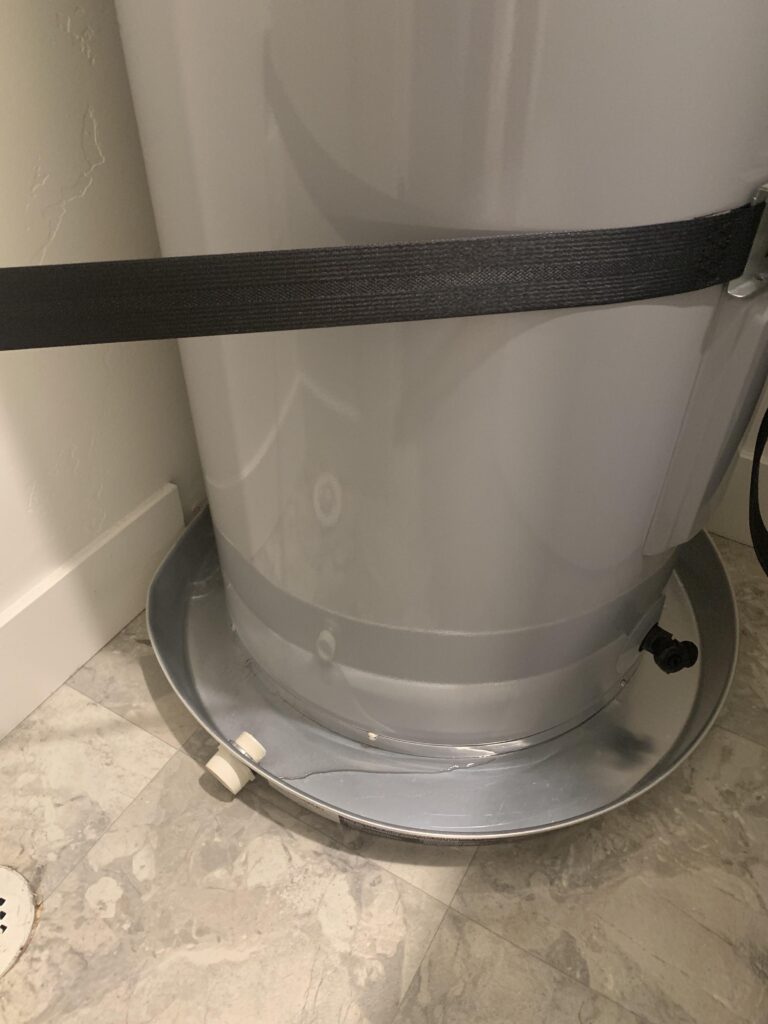
Discovering a puddle beneath your Bradford White water heater can be a frustrating and worrisome experience. You might find yourself wondering what went wrong and how to fix it quickly.
You’re not alone in facing this challenge. A leaking water heater is a common issue that many homeowners encounter, and addressing it promptly can save you time, money, and stress in the long run. Imagine the peace of mind you’ll feel knowing exactly what steps to take when you spot that first sign of trouble.
We’ll guide you through understanding the reasons behind your Bradford White water heater leak and how to deal with it effectively. You’ll gain insights into preventing future leaks and ensuring your water heater continues to run smoothly. Stay with us as we unravel the mystery and help you regain control over your home’s hot water supply.
Common Causes Of Leaks
Water heaters are essential in homes, providing hot water for daily needs. But they can sometimes leak, causing concern for homeowners. Understanding the common causes of leaks helps in addressing them quickly and effectively. Below, we explore the typical reasons for leaks in Bradford White water heaters.
Valve Issues
Valves control the flow of water in your heater. Sometimes, they can wear out or become loose. A faulty valve might lead to water dripping from the heater. Regular checks ensure valves are functioning properly. Tightening or replacing them can often solve the problem.
Corrosion Problems
Corrosion occurs when metal parts of the heater start to rust. Over time, this rust weakens the tank. It can lead to holes or cracks where water can escape. Hard water accelerates corrosion. Regular maintenance and inspections can prevent severe damage.
Pressure Build-up
Water heaters operate under pressure to heat water effectively. Excessive pressure can strain the tank and connections. This might cause leaks if not managed well. Pressure relief valves help control this issue. Ensuring they work correctly is crucial for preventing leaks.

Credit: www.youtube.com
Identifying Leak Locations
Bradford White water heater leaks often occur at the pressure relief valve or the tank’s connections. Identifying these leak locations quickly prevents water damage. Regular checks and maintenance ensure efficient performance and longevity of your water heater.
Identifying leak locations on your Bradford White Water Heater can feel like a daunting task, especially if you’re not familiar with plumbing. However, pinpointing the source of a leak is crucial for timely repairs and preventing further damage. By methodically inspecting different parts of the water heater, you can often discover the root of the problem yourself. Let’s look into a few key areas where leaks commonly occur and how you can check them effectively.Checking Around Valves
Valves are frequent culprits when it comes to water heater leaks. Start by examining the temperature and pressure relief valve. This valve is designed to release water if the pressure gets too high, but sometimes it can leak due to a faulty seal or debris buildup. Have you noticed any moisture around this area? If so, gently wipe it with a dry cloth and see if it becomes wet again. Also, don’t forget to check the drain valve at the bottom of the tank. A simple twist of the handle can often indicate if it’s loose or malfunctioning.Inspecting Tank Exterior
The tank exterior can give you significant clues about a possible leak. Look for any visible rust or corrosion on the outside of the tank. These could be signs of internal damage or wear that is causing water to seep through. Run your hand along the surface of the tank to feel for any dampness or water droplets. If the tank is wet, it might be a sign of a crack or pinhole leak. Remember, a dry tank surface is what you’re aiming for.Examining Pipe Connections
The pipes connected to your water heater are another common location for leaks. Focus on the connections where the pipes meet the tank. These joints can become loose over time, leading to slow leaks that might go unnoticed. Check for signs of water pooling around these connections or any wetness on the surrounding floor. Sometimes a simple tightening with a wrench can stop the leak, saving you from a more extensive repair. Identifying leaks early can save you from costly repairs and water damage. Have you ever dealt with a leaky water heater before? Share your experiences or questions in the comments.Tools Needed For Repairs
Dealing with a leaking Bradford White water heater can be stressful. Fixing it requires the right tools. Using proper tools ensures safe and effective repairs. This section covers essential tools needed for the job. Keep reading to learn more about what you’ll need.
Essential Hand Tools
Wrenches are vital for loosening and tightening pipes. Use adjustable wrenches for various sizes. Screwdrivers help remove panels and secure fixtures. Choose both flathead and Phillips screwdrivers. A pipe cutter is necessary for cutting pipes cleanly. This tool helps in replacing damaged sections.
Safety Equipment
Safety should be your first concern. Wear gloves to protect your hands from sharp edges. Goggles shield your eyes from debris and splashes. A dust mask can prevent inhalation of harmful particles. These items keep you safe during repairs.
Replacement Parts
Replacement parts are crucial for fixing leaks. New pipes might be needed for damaged sections. Consider pipe fittings to ensure a secure connection. Valves can also be replaced if faulty. Having these parts ready speeds up the repair process.

Credit: acehiplghtg.wordpress.com
Diy Repair Steps
Dealing with a leaking Bradford White water heater can feel overwhelming, especially if you notice water pooling unexpectedly. But, what if you could tackle this issue without calling in professional help? With a little bit of patience and the right steps, you can potentially fix the problem yourself. Let’s dive into some easy DIY repair steps that might just save you some time and money.
Shutting Off Water Supply
Before you start any repair, make sure to shut off the water supply to your heater. Look for a valve located near the top of your water heater. Turning this valve clockwise will stop the flow of water. Imagine the relief of knowing no more water will flood your space as you work.
How often have you rushed into a project only to realize you’ve missed an important step? Taking a moment to stop the water prevents any further mess.
Draining The Tank
Once the water is shut off, it’s time to drain the tank. Connect a garden hose to the drain valve at the bottom of the heater. Lead the hose to a floor drain or outside. Opening the valve will allow the water to exit the tank safely.
Draining the tank can be a surprisingly satisfying process. Watching the water flow away feels like clearing out the problem right before your eyes.
Fixing Valve Leaks
If the leak is coming from a valve, tightening it might solve the issue. Use a wrench to carefully tighten the valve, checking for any signs of continued leakage. If the valve remains faulty, replacing it might be necessary.
Have you ever fixed something at home and felt that triumphant rush? Repairing a valve leak offers that same rewarding feeling as you witness the drip slowing to a halt.
Each step in this DIY process not only addresses the problem but empowers you as a homeowner. As you tackle these repairs, you might wonder—what other projects could you handle with this newfound confidence?
When To Call A Professional
Water heater leaks can be a nuisance in any home. Sometimes, these leaks require professional intervention. Knowing when to call a professional can save you time and money. Let’s explore when it’s best to leave it to the experts.
Persistent Leaks
Persistent leaks often signal a deeper issue. If water keeps pooling, this is a red flag. Temporary fixes will not work in such cases. A professional can pinpoint the cause. They have the tools and expertise to address it effectively.
Complex Repairs
Some repairs are too complex for DIY efforts. Issues with the tank or heating elements demand expert skills. Attempting these repairs yourself can lead to more damage. Professionals ensure the job gets done right the first time.
Safety Concerns
Water heaters deal with electricity and gas. Both can pose significant risks. Leaks can lead to electrical short circuits. A professional knows how to handle these safely. They follow strict safety protocols to protect your home.
Preventive Maintenance Tips
Maintaining your Bradford White water heater can save you from unexpected leaks and costly repairs. With a few simple preventive maintenance tips, you can extend the life of your water heater and ensure it operates efficiently. Let’s dive into some practical steps you can take to keep your water heater in top shape.
Regular Inspection
Think of regular inspection as your water heater’s health check-up. Every few months, take a moment to examine your heater for any signs of wear and tear. Look for rust, corrosion, or any dampness around the unit. These can be early indicators of potential leaks.
Does your heater make unusual noises? This might signal sediment buildup. Catching these issues early on can prevent major problems down the road. Remember, a quick check now can save you from a headache later.
Flushing The System
Flushing your water heater is like giving it a fresh start. Sediment and minerals build up over time, impacting efficiency and increasing the risk of leaks. Plan to flush the system annually to clear out any debris.
Start by turning off the power and water supply. Connect a hose to the drain valve and direct it to a safe area. Let the water flow out until it’s clear. This simple task can enhance performance and longevity.
Checking Pressure Levels
Pressure levels can make or break your water heater. High pressure can lead to leaks and even damage the unit. Consider using a pressure gauge to monitor these levels regularly.
Is the pressure too high? You might need to adjust the temperature settings or install a pressure-reducing valve. Keeping pressure in check ensures your heater runs smoothly and efficiently.
By staying proactive with these maintenance tips, you can minimize the risk of leaks and keep your Bradford White water heater performing at its best. What steps will you take to ensure your heater’s longevity?
Credit: www.reddit.com
Frequently Asked Questions
What Would Cause A Hot Water Heater To Leak From The Bottom?
A hot water heater may leak from the bottom due to a faulty drain valve, sediment buildup, or a damaged tank. Loose connections or corrosion in the heater can also cause leaks. Regular maintenance and inspections can help prevent these issues.
Is There A Recall On Bradford White Water Heaters?
As of now, there are no active recalls on Bradford White water heaters. Always check the official Bradford White website or contact their customer service for the most up-to-date information on recalls and product safety notices.
How Long Will A Hot Water Heater Last Once It Starts Leaking?
A leaking hot water heater typically lasts a few days to a few weeks. Immediate repair or replacement is crucial. Inspect for visible damage and consult a professional quickly. Regular maintenance can prevent leaks and extend the lifespan. Address leaks promptly to avoid water damage and higher repair costs.
What Is The Lifespan Of A Bradford White Water Heater?
A Bradford White water heater typically lasts 10-15 years. Proper maintenance can extend its lifespan. Regularly check for leaks and sediment buildup. Consider professional inspections to ensure optimal performance. Replace parts as needed for longevity.
Conclusion
A leaking Bradford White water heater needs quick attention. Ignoring it can lead to bigger problems. Check for visible damage and seek help from a professional. Regular maintenance helps prevent leaks and extends heater life. Address issues early to avoid costly repairs later.
Follow safety guidelines while inspecting or repairing your heater. Protect your home and ensure hot water availability. Remember, a well-maintained water heater works efficiently and lasts longer. Stay proactive with your water heater’s upkeep for peace of mind. Prioritize safety and comfort for your home.