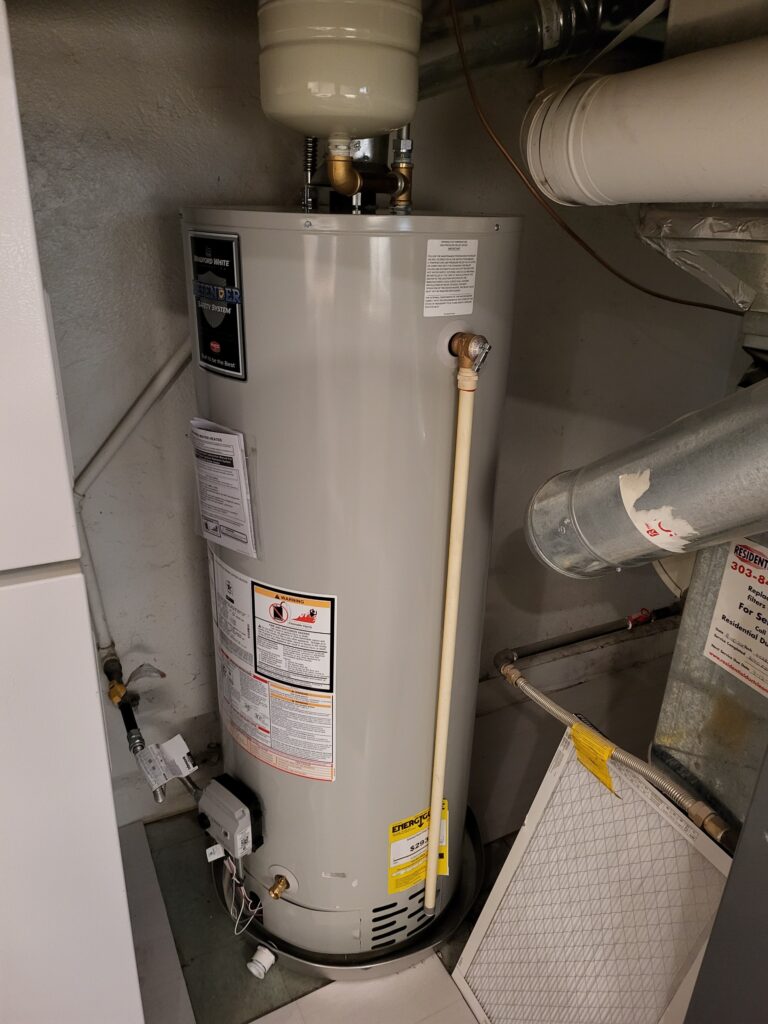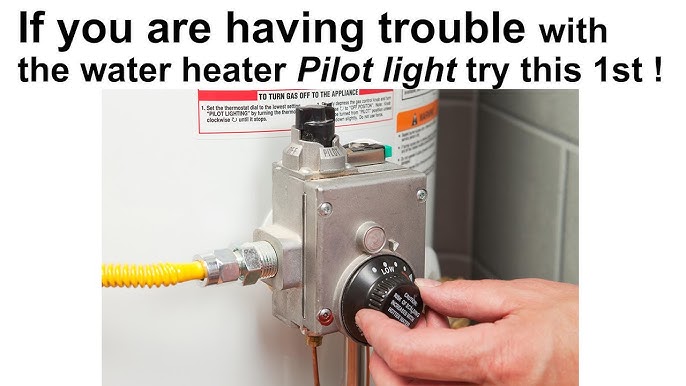
Is your gas water heater light flashing 5 times? If it is, you’re probably wondering what it means and if you need to take action right away.
This blinking signal is your heater’s way of telling you there’s a problem that needs attention. Ignoring it could lead to bigger issues or leave you without hot water when you need it most. You’ll discover exactly why your water heater is flashing and what simple steps you can take to fix it quickly and safely.
Keep reading to save time, avoid costly repairs, and get your hot water flowing smoothly again.
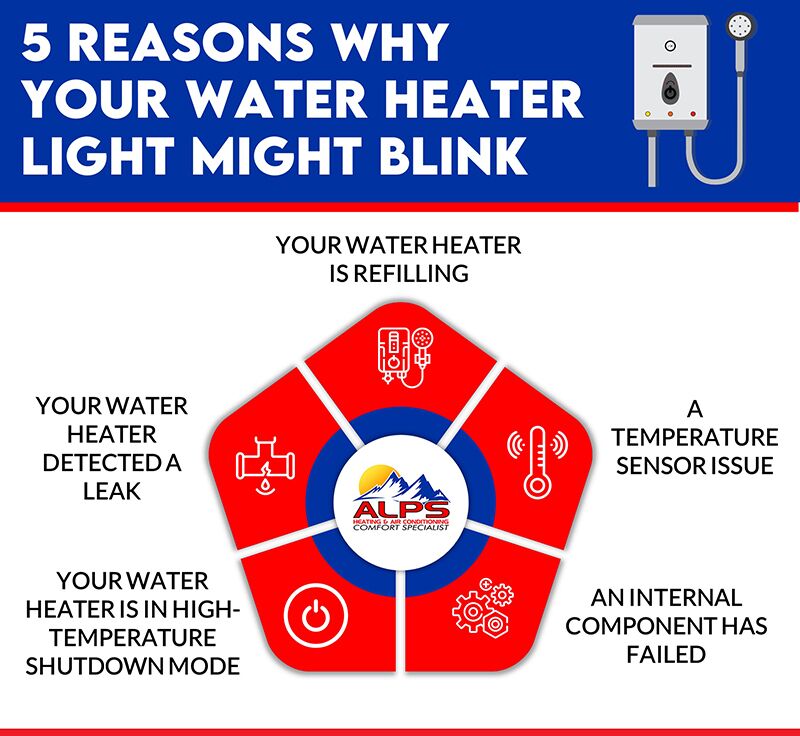
Credit: alpscomfortair.com
Causes Of 5 Flashes
The gas water heater flashing 5 times signals a problem. This error code helps identify specific issues. Knowing the causes helps fix the heater fast. Several parts can trigger this warning. Each part plays a key role in heating water safely.
Thermocouple Issues
The thermocouple senses the pilot flame. If it fails, the heater won’t get gas. Dirt or wear can damage it. A broken thermocouple stops the gas flow. This causes the 5-flash error code to appear.
Ignition Failure
The ignition lights the burner. A weak spark or no spark stops ignition. Faulty ignition parts or wiring cause this. Without ignition, gas cannot burn safely. The heater signals 5 flashes for this failure.
Gas Supply Problems
Gas must flow correctly to the heater. Blocked or closed gas valves stop supply. Low gas pressure also causes trouble. No gas means no flame. The water heater flashes 5 times to show this issue.
Flame Sensor Faults
The flame sensor detects burner flames. A dirty or faulty sensor fails to sense flame. This stops the heater from working safely. The 5-flash code warns about flame sensor faults. Cleaning or replacing the sensor often solves this.
Safety Precautions
Safety is the top priority when dealing with a gas water heater light flashing five times. This signal often means a problem that could be dangerous. Taking quick and careful steps helps keep you and your home safe. Follow these safety precautions to reduce risks and handle the situation properly.
Turning Off Gas Supply
Stop the gas supply immediately. Locate the gas shut-off valve near your water heater. Turn it clockwise to close it. This action prevents gas leaks or buildup. Avoid using open flames or electrical switches nearby. Wait before trying to fix the heater to let gas clear out.
Ventilation Tips
Good ventilation is essential. Open windows and doors to let fresh air in. Avoid blocking vents or exhaust pipes. Proper airflow helps remove harmful gases like carbon monoxide. Use fans if available to increase air movement. Keep the area around the heater clear and clean.
When To Call A Professional
Call a certified technician if the light keeps flashing. Do not try to repair gas or electrical parts yourself. Professionals have tools and knowledge to fix issues safely. If you smell gas, leave the house immediately. Contact emergency services and your gas company for help.
Step-by-step Fixes
The gas water heater light flashing five times signals a specific error. Fixing it requires careful steps. Follow these simple actions to solve the problem safely and quickly.
Each step targets a common cause of the flashing light. Try them one by one for best results.
Resetting The Heater
Turn off the heater’s power switch. Wait for about five minutes. Turn the power back on. This resets the system and clears minor errors. Watch if the light stops flashing.
Cleaning The Flame Sensor
Turn off the gas and power. Find the flame sensor near the burner. Gently wipe it with fine sandpaper or a clean cloth. Dirt on the sensor can stop the heater from working. Reinstall the sensor and turn the power on.
Checking The Thermocouple
The thermocouple senses the pilot flame. If faulty, it causes the light to flash. Check if it is loose or damaged. Tighten connections or replace the part if needed. This part helps keep the gas valve open safely.
Inspecting The Gas Valve
Gas valves control the fuel flow to the burner. Look for blockages or damage. Test if the valve opens and closes properly. A stuck valve can trigger the error light. Replace the valve if it is broken.
Preventive Maintenance
Preventive maintenance helps keep your gas water heater running smoothly. It stops small problems from turning into big repairs. Regular care extends the heater’s life and keeps it safe to use.
Regular Cleaning
Clean your gas water heater every few months. Dust and dirt can block vents and parts. Wipe the outside and clear any debris nearby. This helps the heater work better and last longer.
Annual Inspections
Have a professional check your heater once a year. They test the gas pressure and safety parts. Inspections catch leaks or worn pieces early. This keeps your home safe and your heater efficient.
Proper Ventilation
Make sure the heater has good airflow around it. Poor ventilation can cause dangerous gas build-up. Keep vents clear and avoid blocking air paths. Good airflow helps the heater burn fuel cleanly and safely.
When Replacement Is Needed
A gas water heater flashing its light five times often signals deeper issues. Knowing when to replace the unit saves time and money. Some problems cannot be fixed by repairs alone.
Replacing the heater ensures safety and reliable hot water. Below are key points to consider for replacement.
Signs Of Wear And Tear
Rust or corrosion on the tank shows aging. Strange noises like banging or popping indicate sediment buildup. Frequent pilot light outages mean failing parts. Water leaks around the base are a serious concern. These signs suggest the heater may fail soon.
Cost Considerations
Repair costs can add up over time. New parts and labor may exceed the price of a new unit. A new heater offers better energy efficiency, saving money on bills. Consider long-term expenses, not just immediate repair costs.
Choosing A New Heater
Pick a heater that fits your household needs. Look for energy-efficient models to reduce utility bills. Choose the right size to avoid running out of hot water. Check for warranties and reliable brands. Proper installation is key to safe operation.

Credit: www.reddit.com

Credit: www.supplyhouse.com
Frequently Asked Questions
What Does 5 Flashes Mean On A Gas Water Heater?
Five flashes typically indicate an ignition failure in your gas water heater. This means the burner is not lighting properly. It can be caused by gas supply issues, faulty ignition components, or blocked vents. Checking these can help resolve the problem quickly.
How To Fix A Gas Water Heater Flashing 5 Times?
To fix five flashes, first turn off the heater and inspect the gas supply. Clean any dirt or debris near the ignition. If the problem persists, reset the unit or call a professional technician for a detailed inspection and repair.
Is A 5-flash Error Dangerous For Water Heaters?
A 5-flash error signals ignition failure but is not immediately dangerous. However, ignoring it can cause gas leaks or heater damage. It’s important to address the issue promptly to ensure safe and efficient water heater operation.
Can I Reset A Gas Water Heater Flashing 5 Times?
Yes, most gas water heaters allow a reset after a 5-flash error. Turn off the power and gas supply, wait a few minutes, then turn them back on. If the flashing continues, professional service is recommended to avoid further issues.
Conclusion
A gas water heater flashing five times signals a specific problem. Check the user manual to understand the error code. Often, it means a safety or ignition issue. Simple fixes like cleaning or resetting may help. Sometimes, calling a professional is the safest choice.
Regular maintenance can prevent these errors. Stay aware and act quickly to keep your hot water running smoothly. Don’t ignore warning lights; they protect your home and family. Understanding these signals saves time and money in the long run.