Setting the right temperature on your water heater is more important than you might think. If it’s too low, you might end up with chilly showers and slow dishwashing.
Too high, and you risk burns or wasting energy—and money. You want your water heater to work efficiently, keep you safe, and save you on bills. In this guide, you’ll discover exactly how to set your water heater temperature the right way—quickly and easily.
Keep reading to make sure your hot water is always just right.
Credit: www.artplumbingandac.com
Ideal Temperature Settings
Setting the ideal temperature on your water heater is key for comfort and safety. The right temperature keeps your water hot enough without wasting energy. It also protects your family from burns and helps prevent bacteria growth. Understanding the best temperature range can help you get the most from your water heater.
Recommended Temperature Range
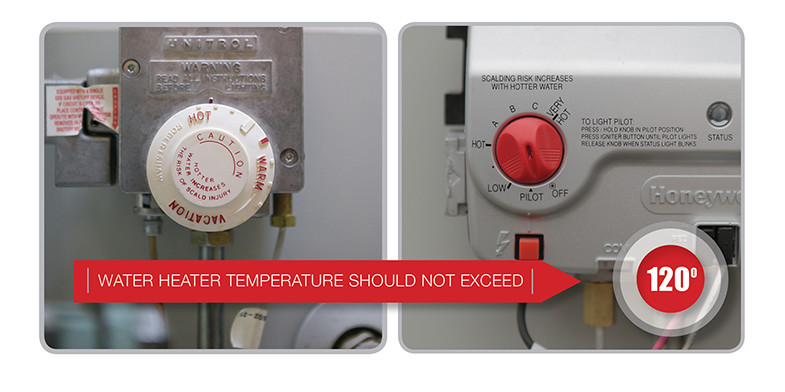
The ideal water heater temperature is usually between 120°F and 140°F. Most experts suggest setting your heater at 120°F. This temperature is hot enough for daily use like showers and washing dishes. It also saves energy and lowers your utility bills.
Temperatures above 140°F can be dangerous. Hot water at this level may cause burns quickly, especially for children and older adults. Lower settings may not kill harmful bacteria in the water.
Balancing Comfort And Safety
Finding the right balance matters. A setting of 120°F offers safety and comfort for most homes. It reduces the risk of scalding and keeps water hot enough for cleaning and bathing.
Check your water temperature with a thermometer. Adjust it if the water feels too cold or too hot. Small changes can improve comfort while keeping safety in mind.
Credit: www.tlcplumbing.com
Risks Of Incorrect Settings
Setting the water heater temperature too high or too low brings risks. It affects safety and bills. Understanding these risks helps you make better choices.
Incorrect settings can cause harm or waste energy. Keep your family safe and save money by setting the right temperature.
Scalding Hazards
Water above 120°F can burn skin quickly. Children and older adults face higher risks. Burns may cause pain and serious injury. Lower settings reduce scalding danger and protect everyone.
Energy Waste Concerns
High temperatures use more electricity or gas. This increases your monthly energy bills. Heat loss from pipes also rises with high settings. Setting a moderate temperature saves energy and lowers costs.
Tools You’ll Need
Setting the right temperature on your water heater needs the right tools. These tools help you check and adjust the temperature safely. Using proper tools makes the job easier and more accurate. Below are the main tools you will need to get started.
Thermometer Types
A thermometer shows the exact water temperature. A digital thermometer is easy to read and very accurate. A dial thermometer is simple and does not need batteries. Both types help you check if the water is too hot or too cold. Choose one that fits your budget and needs.
Basic Tools For Adjustment
Most water heaters need a screwdriver to adjust the temperature. A flathead or Phillips screwdriver works for most models. Some heaters have a small dial that you can turn by hand. A flashlight may help if the heater is in a dark place. Safety gloves protect your hands during the process.
Step-by-step Adjustment Guide
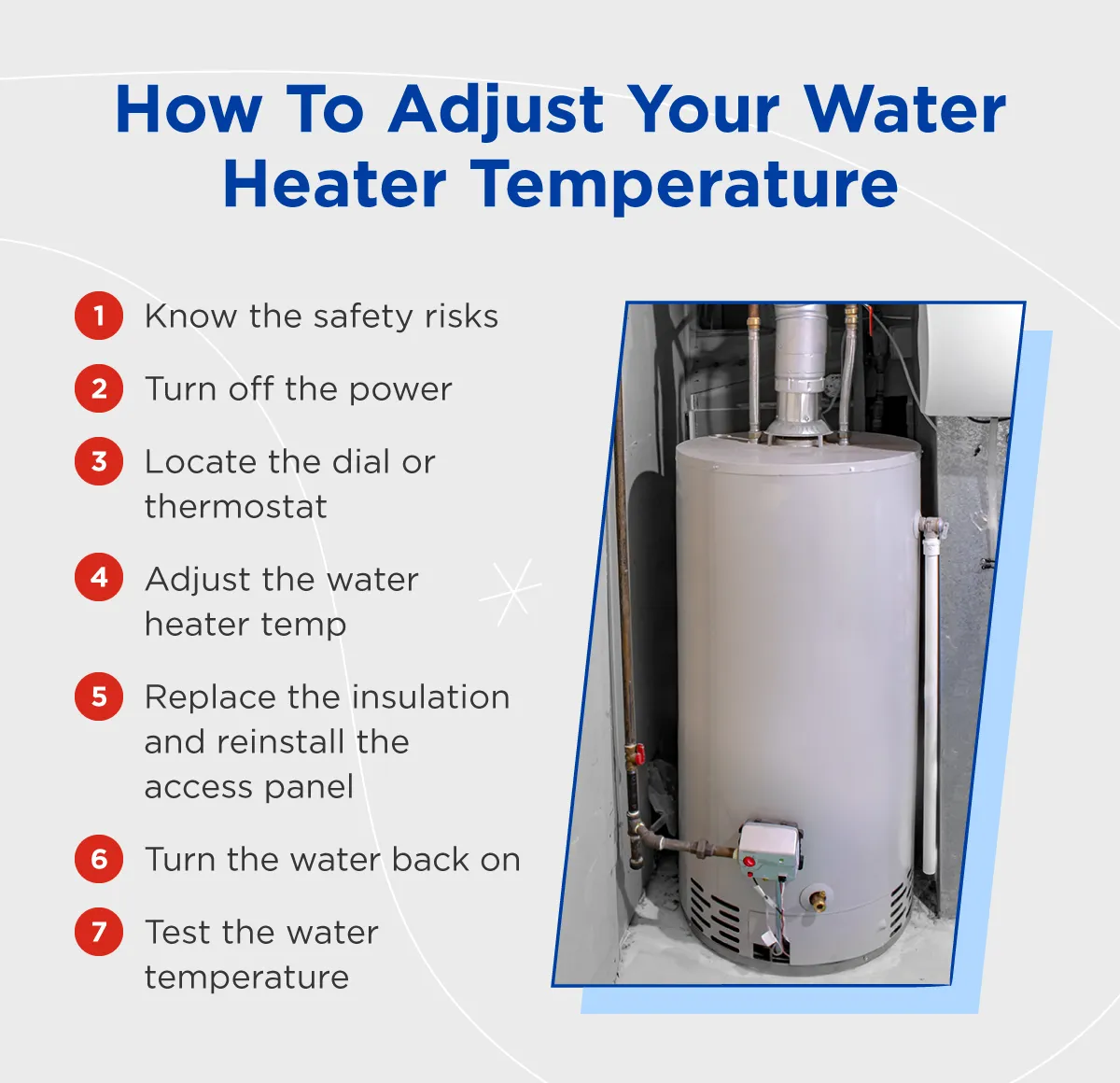
Adjusting the water heater temperature is easy with clear steps. Follow this guide to set your water heater safely and correctly. This process helps save energy and prevent burns. Take your time and do each step carefully.
Locating The Temperature Dial
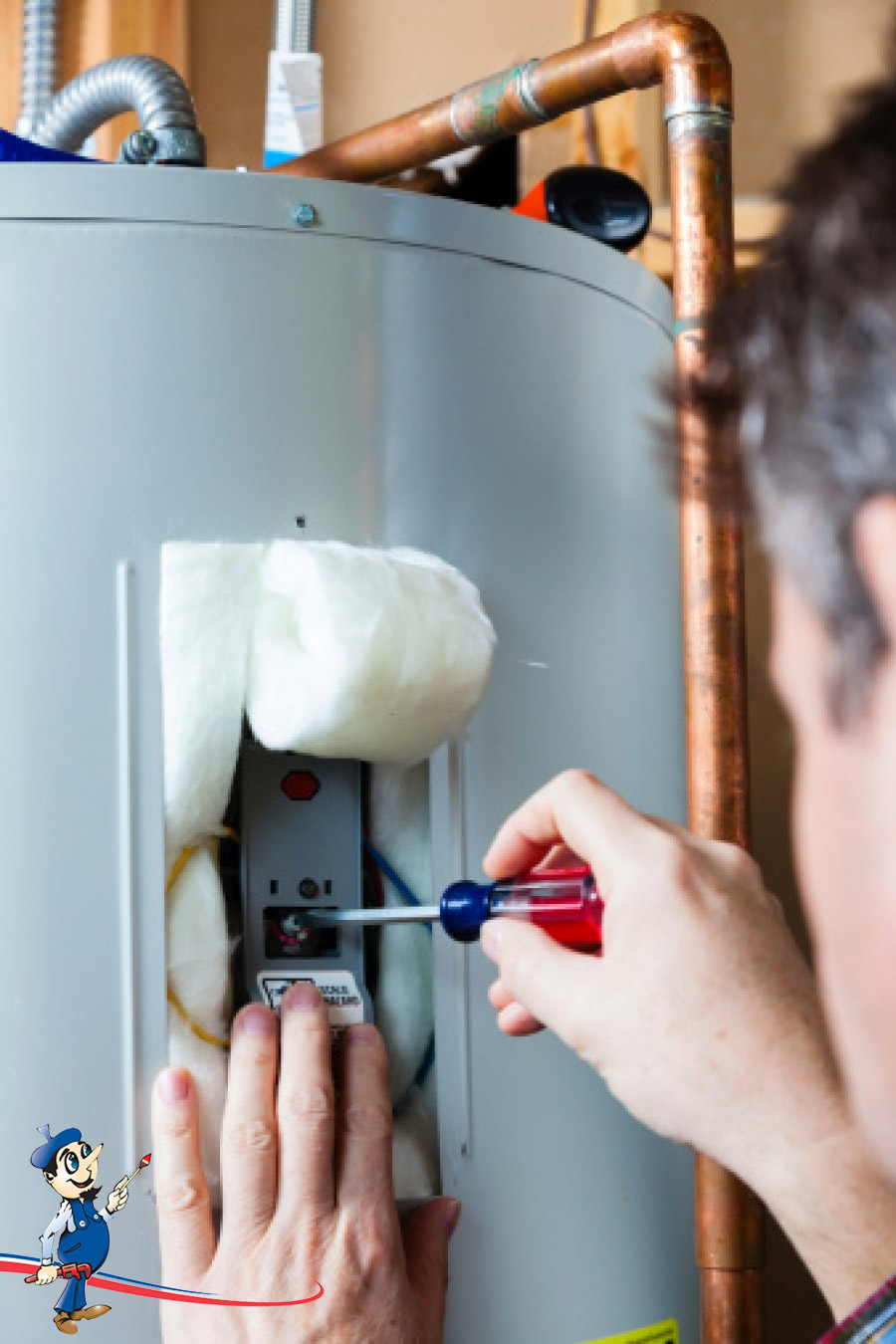
First, find the temperature dial on your water heater. Most units have it on the front or side. Gas water heaters often hide it behind a small panel. Electric models show it near the thermostat. If you cannot see a dial, check the manual or label on the unit.
Adjusting Gas Water Heaters
Turn off the gas supply before adjusting. Remove the access panel to reach the dial. Use a flathead screwdriver to turn the dial. Set the temperature to 120 degrees Fahrenheit for safety. Avoid setting it too high to prevent scalding. Replace the panel after adjustment.
Adjusting Electric Water Heaters
Switch off the power at the circuit breaker first. Remove the cover plate to expose the thermostat. Use a screwdriver to turn the dial or knob. Set the temperature to 120 degrees Fahrenheit for best results. Put the cover back on securely after adjusting. Turn the power back on once done.
Testing The Water Temperature
Let the water run for a few minutes after adjustment. Use a thermometer to check the temperature at the faucet. It should read close to 120 degrees Fahrenheit. Adjust again if the water is too hot or cold. Regular testing keeps your water heater safe and efficient.
Energy Saving Tips
Saving energy with your water heater reduces bills and helps the environment. Small changes make a big difference in energy use. Setting the right temperature is just the start.
Adding insulation and using timers can cut heat loss and waste. These tips keep water hot only when you need it. Let’s explore two easy ways to save energy.
Insulating Your Water Heater
Insulation keeps heat inside the tank longer. This means the heater runs less often. You can buy a water heater blanket from most stores. Wrap it around the tank carefully for best results.
Also insulate the hot water pipes. This stops heat from escaping as water moves. Use foam pipe insulation sleeves for easy coverage. These steps lower energy use and keep water hotter.
Using Timers And Smart Controls
Timers turn the water heater off during low-use hours. This stops heating water when no one needs it. Smart controls let you set schedules from your phone.
Some models learn your habits and adjust heating automatically. They save energy without any effort from you. Using timers and smart controls cuts waste and saves money.
Credit: www.mrrooter.com
Maintenance For Efficiency
Maintaining your water heater helps it run better and last longer. Simple tasks keep the system efficient. This saves energy and cuts costs. Regular checks prevent big problems and keep hot water flowing.
Flushing The Tank
Flushing removes sediment build-up inside the tank. Sediment lowers heating efficiency and can damage the heater. Drain a few gallons of water from the tank every six months. Use a hose to direct water to a drain. This keeps the tank clean and improves heating speed.
Checking The Anode Rod
The anode rod prevents rust inside the tank. Check it once a year for wear or corrosion. Replace the rod if it looks thin or broken. A good anode rod protects the tank and extends its life. This keeps your heater running well and saves money on repairs.
Conclusion
Setting the right water heater temperature keeps your home safe and saves energy. Too hot water can cause burns. Too cold water may not clean well. Aim for 120°F (49°C) for comfort and safety. Adjust the thermostat carefully and check it regularly.
This small step helps lower bills and protects your family. Simple changes make a big difference every day. Take control of your water heater settings now. Enjoy warm water without worry or waste.