Are you planning to install a water heater and wondering if CPVC pipes are the right choice? Using CPVC pipes can make your installation safer, more durable, and cost-effective.
But if you’re unsure how to handle the process or want to avoid common mistakes, this guide is made just for you. By the end, you’ll feel confident about installing your water heater with CPVC pipes and enjoy hot water without any worries.
Keep reading to discover simple steps and expert tips that will save you time and money.
Credit: www.reddit.com
Choosing The Right Cpvc Pipe
Choosing the right CPVC pipe is important for a safe water heater installation. CPVC pipes must handle hot water without damage. Proper choice ensures long-lasting performance and safety. Consider pipe material, size, and local rules before buying. This helps avoid leaks and repairs later.
Benefits Of Cpvc For Water Heaters
CPVC pipes resist heat well and handle hot water easily. They do not corrode or rust like metal pipes. CPVC is lightweight, making installation easier and faster. These pipes also resist chemicals and scaling inside. They reduce the chance of leaks and bursts, keeping your water system safe.
Pipe Sizes And Ratings
CPVC pipes come in different sizes for various needs. Choose the right diameter to match your water heater’s flow. Pipes have temperature and pressure ratings shown on the label. Use pipes rated for at least 200°F and high pressure for safety. Correct size and rating prevent pipe damage and water flow problems.
Checking Local Codes
Local building codes set rules for pipe types and installation. Check your area’s codes before buying CPVC pipes. Some places require specific pipe sizes or brands for water heaters. Inspectors may reject work that does not follow codes. Following local rules keeps your installation legal and safe.

Credit: www.reddit.com
Preparing For Installation
Preparing for the installation of a water heater with CPVC pipe is an important step. It ensures safety and smooth work. Proper preparation saves time and prevents mistakes. Follow these steps carefully to get ready for the job.
Gathering Tools And Materials
Start by collecting all tools and materials needed for the installation. You will need CPVC pipes, pipe cutters, primer, cement, and fittings. A wrench, Teflon tape, and a pipe threader may also be useful. Having everything ready keeps the work organized. It also avoids delays during installation.
Shutting Off Water Supply
Turn off the main water supply before starting. This stops water flow and prevents leaks. Locate the main shut-off valve and close it tightly. Open a faucet to drain remaining water. This step is crucial for safety and a dry working area.
Draining The Existing System
Drain water from the existing water heater and pipes. Attach a hose to the drain valve and direct water to a safe place. Open the drain valve slowly to avoid splashing. Draining reduces pressure and makes the system safe to work on. Check that all water has drained before proceeding.
Installing The Water Heater
Installing a water heater with CPVC pipe requires careful steps. Proper installation ensures safety and efficiency. Follow these clear steps to set up your water heater correctly.
Positioning The Heater
Place the water heater near the main water line. It should be close to where hot water is most used. Keep enough space around the heater for maintenance. Make sure it sits on a flat, stable surface. Avoid placing it near flammable materials.
Connecting Water Lines
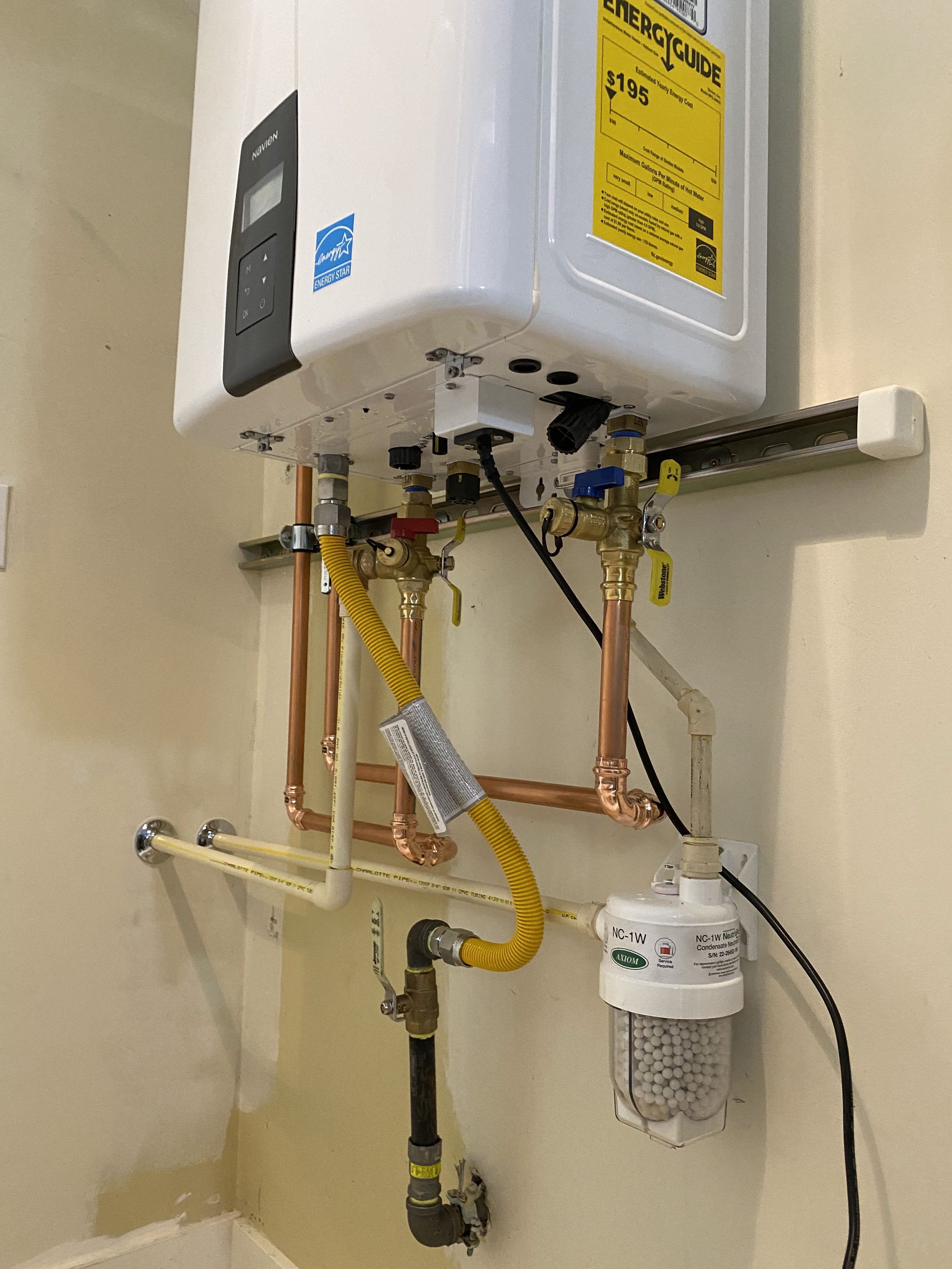
Use CPVC pipes to connect the heater to water lines. Cut the pipes cleanly and fit them tightly. Apply CPVC cement to joints for a secure bond. Connect the cold water line to the inlet. Attach the hot water line to the outlet. Check all connections for leaks before proceeding.
Securing The Heater In Place
Fix the water heater firmly to the wall or floor. Use brackets or straps to hold it steady. This prevents movement during operation. Tighten all fasteners but avoid over-tightening. Double-check the heater is level and secure before finishing.
Working With Cpvc Pipes
Working with CPVC pipes is a smart choice for installing a water heater. These pipes resist heat and corrosion, making them ideal for hot water systems. Handling CPVC requires some care to ensure strong and leak-free connections. Follow simple steps to cut, clean, and join the pipes properly.
Cutting And Measuring Pipes
Measure the length you need carefully before cutting. Use a fine-toothed saw or a pipe cutter to get a straight cut. Avoid rough edges or cracks. Smooth the cut edges with sandpaper or a deburring tool. Proper cutting helps pipes fit tightly and reduces leaks.
Cleaning And Priming Surfaces
Clean the pipe ends and fittings with a cloth to remove dirt. Apply a CPVC primer to the outside of the pipe and the inside of the fitting. The primer softens the surface, preparing it for cement. Let the primer dry for a few seconds before moving to the next step.
Applying Cement And Joining Pipes
Use a CPVC cement designed for hot water pipes. Apply a thin layer on both primed surfaces. Quickly push the pipe into the fitting with a twisting motion. Hold them together for about 30 seconds. This ensures a strong bond and prevents leaks later.
Testing The System
Testing the water heater system after installation ensures safety and performance. This step helps find any problems early. Proper testing protects your home and extends the life of your water heater. Follow these simple checks to confirm your CPVC pipe setup works well.
Checking For Leaks
Start by inspecting all joints and connections carefully. Turn on the water supply slowly. Watch for any drops or wet spots around pipes and fittings. Use a dry cloth to wipe areas and check again. Leaks can cause water damage and reduce system efficiency. Tighten any loose fittings or replace faulty parts if needed.
Flushing The Water Heater
Flush the tank to clear out dirt and debris. Connect a hose to the drain valve and open it carefully. Let the water flow out until it runs clear. This step helps prevent blockages and improves heating efficiency. Close the drain valve and refill the tank fully before turning on the heater.
Verifying Water Temperature
Set the thermostat to a safe temperature, usually around 120°F (49°C). Wait for the water to heat up. Check the water temperature at a faucet using a thermometer. Proper temperature prevents scalding and saves energy. Adjust the thermostat if the water is too hot or cold.
Credit: www.itrelated.co.za
Maintenance Tips
Proper maintenance keeps your water heater with CPVC pipes working well. It helps avoid leaks and damage. Regular checks can save money on repairs. Follow simple steps to extend your system’s life.
Inspecting Pipes Regularly
Check CPVC pipes often for cracks or leaks. Look at pipe joints carefully. Small problems can grow fast. Fix leaks early to avoid water damage. Use a flashlight to see hidden spots. Keep pipes clean and dry.
Flushing Sediment Build-up
Flush your water heater to remove sediment. Sediment lowers heater efficiency. Turn off the heater before flushing. Open the drain valve and let water flow out. Repeat until water runs clear. Do this every 6 to 12 months.
Replacing Worn Components
Replace old parts like valves and gaskets quickly. Worn parts cause leaks and reduce heat. Use parts made for CPVC pipe systems. Check the anode rod inside the heater. Replace it if it looks worn or rusty. This protects the tank from corrosion.
Conclusion
Installing a water heater with CPVC pipe offers a safe and durable solution. CPVC pipes resist heat and corrosion well. They make the installation process easier and last longer. Proper fitting ensures no leaks or damage over time. Always check local codes before starting your project.
Simple tools and steps help you finish quickly. This method saves money and avoids frequent repairs. A good setup gives warm water whenever you need it. Choose CPVC pipes for a reliable and cost-effective water heater system.