Is your RV’s electric hot water heater acting up just when you need it most? You’re not alone, and the good news is many common issues can be fixed quickly without calling a pro.
Imagine stepping into a warm shower after a long day on the road—only to find cold water instead. Frustrating, right? This guide will help you understand exactly what might be going wrong and how to troubleshoot your RV electric hot water heater step by step.
Keep reading, and you’ll be back to enjoying hot water on demand in no time.
Common Hot Water Heater Issues
Hot water heaters in RVs can face common problems that affect their performance. Knowing these issues helps you fix them quickly. This keeps your hot water flowing and your trips comfortable.
No Hot Water
No hot water is a frequent problem. It can happen due to a tripped breaker or blown fuse. Sometimes, the pilot light goes out in gas models. Check the power supply and gas connection first. Also, sediment buildup inside the tank may block heating.
Water Too Hot
Water that is too hot can cause burns or damage pipes. The thermostat might be set too high. It can also be faulty or stuck. Adjust the thermostat to a safe temperature. Replace it if it does not respond.
Water Takes Too Long To Heat
Slow heating wastes time and energy. Sediment buildup on heating elements is a common cause. The heating element itself might be failing. Check for leaks or poor electrical connections. Regular cleaning helps maintain fast heating.
Water Heater Leaks
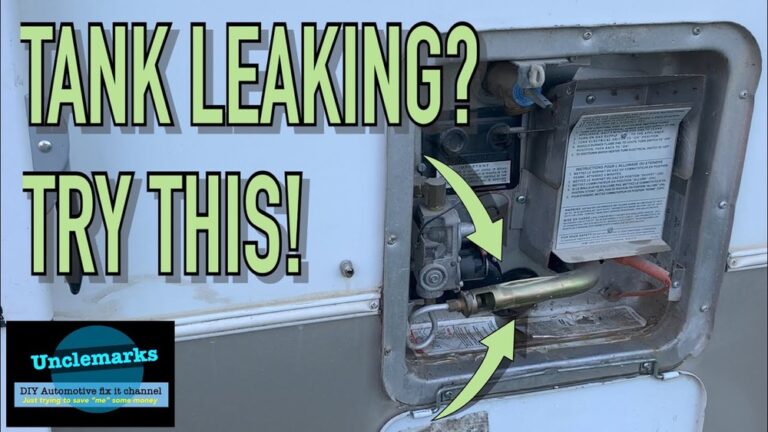
Leaks can damage your RV and waste water. Look for water pooling under the heater or damp spots nearby. Loose fittings or damaged seals often cause leaks. The tank may also corrode and crack. Tighten connections or replace parts to stop leaks.
Credit: catmosphere.org
Checking Power Supply
Checking the power supply is the first step in troubleshooting an RV electric hot water heater. Without proper power, the heater will not work. This section guides you through simple checks to ensure your hot water heater gets electricity.
Inspecting Circuit Breakers
Start by looking at the circuit breakers. Find the breaker panel in your RV. Check if the breaker for the water heater is tripped. A tripped breaker will be in the middle or off position. Reset it by switching it off and then on. If it trips again, there may be a short or overload.
Verifying Power Connections
Next, check the power connections to the heater. Make sure all wires are tight and secure. Loose connections can stop power from reaching the heater. Look for any damaged or burnt wires. Replace or fix any damaged parts before testing the heater again.
Testing The Thermostat
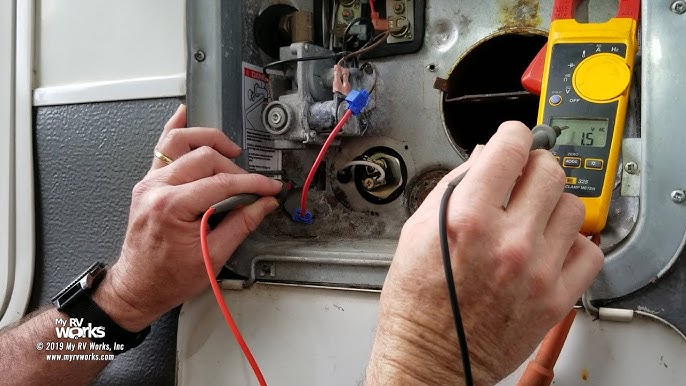
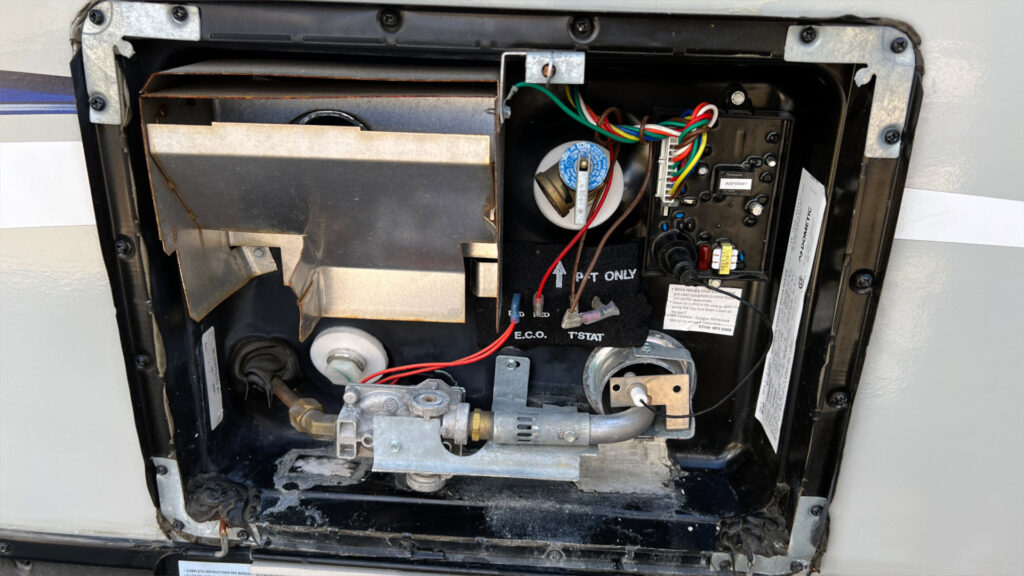
The thermostat controls the heat in the water heater. Use a multimeter to test it for power and continuity. Disconnect power before testing. If the thermostat is faulty, it may not send the signal to heat the water. Replace it if tests show no continuity or power flow.
Examining Heating Elements
The heating elements in an RV electric hot water heater are key to warming your water. Examining these elements helps find issues causing cold water or slow heating. Checking them early saves time and money by avoiding bigger problems. This section guides you through identifying, testing, and replacing heating elements safely.
Identifying Faulty Elements
Look for signs like no hot water or water that heats slowly. A burnt smell or tripped breakers can also indicate a bad element. Use a multimeter to check if the element has electrical continuity. No continuity means the element is broken and needs attention. Visual inspection may show corrosion or damage on the element surface.
Removing And Testing Elements
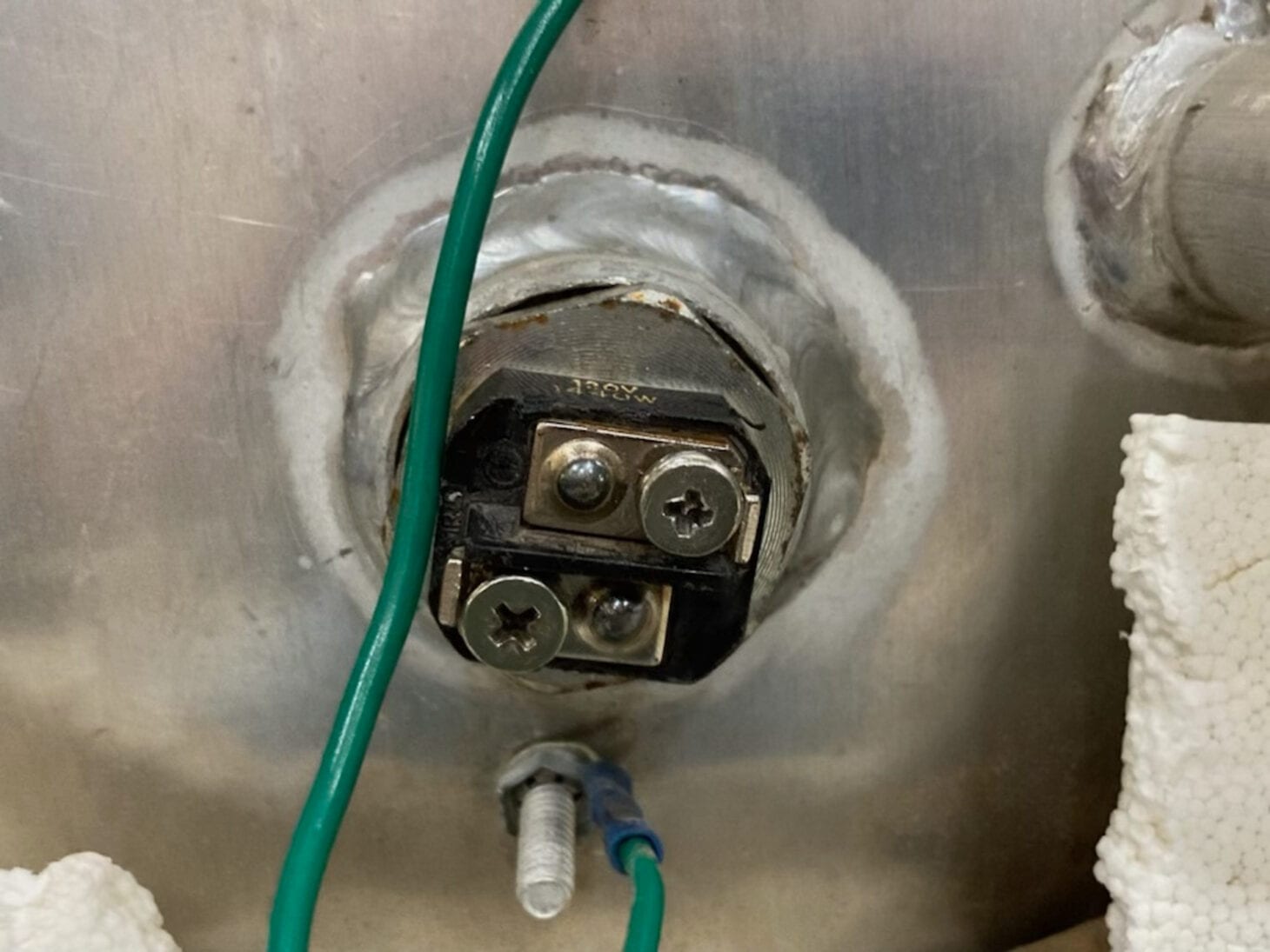
Turn off power and drain the water heater before removal. Use a wrench to unscrew the heating element from the tank. Clean the element gently to remove any debris. Test it with a multimeter by setting it to the resistance mode. A reading of zero or very high resistance means the element is faulty.
Replacing Heating Elements
Buy a replacement element that matches your water heater model. Insert the new element carefully into the tank opening. Tighten it securely to prevent leaks. Refill the tank with water before restoring power. Check for leaks and proper heating after installation. This keeps your hot water flowing reliably on the road.
Credit: www.icecreamfactoryny.com
Thermostat Issues
Thermostat issues are a common cause of problems in RV electric hot water heaters. The thermostat controls the water temperature by turning the heating element on and off. If it malfunctions, water may stay cold or get too hot. Understanding how to spot and fix thermostat problems can save time and money on repairs.
Adjusting Temperature Settings
Start by checking the thermostat’s temperature setting. Sometimes, the setting may be too low, causing cold water. Locate the thermostat dial or control panel. Turn the dial up slightly to increase the temperature. Wait a few minutes and test the water. Adjust again if needed. Small changes can improve hot water output.
Testing Thermostat Functionality
Use a multimeter to test the thermostat’s function. First, turn off the power to the water heater. Remove the access panel to reach the thermostat. Set the multimeter to measure resistance. Place the probes on the thermostat terminals. A reading of zero or close to zero means it works. No reading means the thermostat may be faulty.
Replacing A Defective Thermostat
Turn off the power before replacing the thermostat. Remove the old thermostat by unscrewing it carefully. Note the wiring connections to avoid mistakes. Connect the new thermostat in the same way. Secure it in place and close the access panel. Restore power and test the water temperature. The heater should work properly again.
Sediment Buildup Problems
Sediment buildup is a common issue in RV electric hot water heaters. Over time, minerals in water settle at the bottom of the tank. This buildup can reduce heating efficiency and cause damage. It may also lead to strange noises or even leaks. Regular care helps keep the water heater working well. Understanding how to fix and prevent sediment problems is important for every RV owner.
Flushing The Tank
Flushing the tank removes sediment and improves heater performance. First, turn off the power and water supply. Open the drain valve at the tank’s bottom. Let the water flow out until it runs clear. This process clears out loose minerals and dirt. Close the valve and refill the tank. Flushing every few months keeps the heater clean and efficient.
Preventing Sediment Accumulation
Use a water softener to reduce minerals in your water. Soft water lowers sediment buildup in the tank. Drain the tank regularly to avoid heavy deposits. Avoid using the heater without water inside. This practice prevents damage and extends heater life. Small steps help maintain a clean water heater and reduce future problems.
Safety Features And Sensors
RV electric hot water heaters have safety features to protect users and equipment. These features stop damage and accidents caused by overheating or pressure build-up. Sensors monitor water temperature and pressure to keep the system safe. Understanding these safety parts helps you troubleshoot problems correctly.
Checking Safety Shutoff Switch
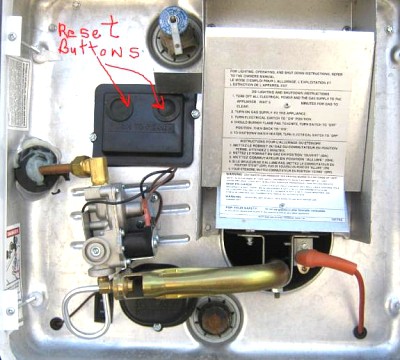
The safety shutoff switch stops the heater if it gets too hot. Find the switch near the water heater unit. Press it to reset the system after a trip. If the switch keeps tripping, the heater may be overheating or faulty. Test the switch with a multimeter for proper function. Replace the switch if it does not reset or test right.
Testing Temperature And Pressure Relief Valve
The temperature and pressure relief valve prevents dangerous pressure inside the tank. Lift the valve’s lever to release some water. Water should flow freely and stop when released. No water or constant dripping means the valve is stuck or broken. Replace a faulty valve to avoid tank damage or explosions. Test the valve regularly for safe operation.
Wiring And Connection Troubles
Wiring and connection problems often cause electric hot water heater issues in RVs. Faulty wires or loose connections stop the heater from working properly. These problems can lead to no hot water or electrical hazards. Checking wiring and connections is an important step in troubleshooting.
Inspecting Wiring For Damage
Start by turning off the power to the water heater. Look closely at all wires for cuts, burns, or frays. Damaged wires can stop electricity from flowing. Watch for signs of corrosion or melted insulation. Use a flashlight to see small cracks or breaks. Replace any damaged wires before testing the heater again.
Ensuring Secure Connections
Loose connections cause poor electrical contact and heating failure. Check all wire terminals and connectors. Tighten any loose screws or clamps carefully. Wiggle wires gently to test for firm attachment. Clean any dirt or rust on connectors with a wire brush. Secure connections improve the heater’s performance and safety.
Credit: www.dangerfieldsofshakopee.com
When To Call A Professional
Knowing when to call a professional for your RV electric hot water heater saves time and prevents damage. Some issues need expert care to keep your system safe and working well.
Signs Of Serious Electrical Problems
Flickering lights or frequent breaker trips are red flags. Burning smells or sparks near the heater mean danger. Overheating or unusual noises also show electrical faults. These signs need immediate attention from a skilled technician.
Complex Repairs Best Left To Experts
Replacing heating elements or fixing wiring requires special tools and knowledge. Incorrect repairs can cause shorts or fires. Professionals know how to test parts safely and follow codes. Letting experts handle complex fixes protects you and your RV.
Frequently Asked Questions
How Do I Reset My Rv Electric Hot Water Heater?
To reset, locate the reset button on the heater’s thermostat. Press it firmly until you hear a click. This resolves minor electrical issues and restores normal function quickly.
Why Is My Rv Water Heater Not Heating?
Common causes include a tripped breaker, faulty thermostat, or heating element failure. Check power supply first, then inspect these parts for damage or wear.
How Can I Check The Heating Element In An Rv Water Heater?
Turn off power, remove the access panel, and use a multimeter to test the element’s continuity. No continuity means the element needs replacement.
What Causes An Rv Electric Water Heater To Leak?
Leaks often result from a damaged tank, loose fittings, or faulty pressure relief valve. Inspect these areas carefully for cracks or drips.
Conclusion
Troubleshooting your RV electric hot water heater saves time and money. Simple checks often fix common problems fast. Keep safety in mind while inspecting parts. Regular maintenance helps avoid future issues. Understanding basic steps gives you more control. Stay patient and follow clear instructions carefully.
Your water heater can work well again soon.