Is your RV electric water heater not heating up like it should? Nothing is more frustrating than stepping into a cold shower when you expected warm water.
You rely on your water heater for comfort during your travels, but when it fails, it can quickly ruin your day. Don’t worry—this problem is more common than you think, and you can fix it. You’ll discover easy-to-understand reasons why your RV electric water heater isn’t working and simple steps to get it back to heating your water reliably.
Keep reading to regain that cozy, warm water experience on the road.

Credit: www.homesteadde.com
Common Causes Of No Heat
RV electric water heaters sometimes stop heating water. This problem can be caused by several common issues. Knowing these causes helps you find the right fix fast.
Power Supply Issues
The water heater needs a steady power supply to work. Check if the circuit breaker has tripped or a fuse is blown. Loose wires or bad connections can also stop electricity flow. Without power, the heater will not turn on.
Thermostat Problems
The thermostat controls the water temperature. If it breaks or gets stuck, the heater may not heat the water. A faulty thermostat might show wrong temperatures or fail to send signals to heat. Testing or replacing the thermostat often solves this.
Heating Element Failures
The heating element warms the water inside the tank. Over time, it can wear out or burn out. When the element fails, the water stays cold. Inspecting and swapping the element is a common repair step.
Water Flow Obstructions
Blocked water flow can stop the heater from working well. Sediment build-up or mineral deposits inside the tank reduce heating efficiency. Limited water movement causes cold spots. Flushing the tank clears obstructions and restores heat.
Basic Troubleshooting Steps
When an RV electric water heater stops heating, start with some basic checks. These steps can help find simple problems fast. No need to call a technician immediately. Follow these easy guides to see if you can fix the issue yourself.
Checking The Power Source
First, ensure the water heater gets power. Check if the RV is plugged into a working outlet. Look for blown fuses or tripped circuit breakers. Sometimes, a loose connection can stop power flow. Make sure all switches are turned on. Without power, the heater cannot work.
Inspecting The Reset Button
Locate the reset button on the heater unit. This button often trips to protect the heater. Press it firmly and hold for a few seconds. You might hear a click. This resets the system and can restore heating. If it keeps tripping, there may be a deeper problem.
Testing The Thermostat Settings
Check the thermostat on the water heater. Confirm it is set to a warm temperature. Sometimes settings get changed by accident. Turn the thermostat up slightly and wait a few minutes. If the water heats up, the thermostat was too low. If not, the thermostat could be faulty and need replacement.
Fixing Electrical Components
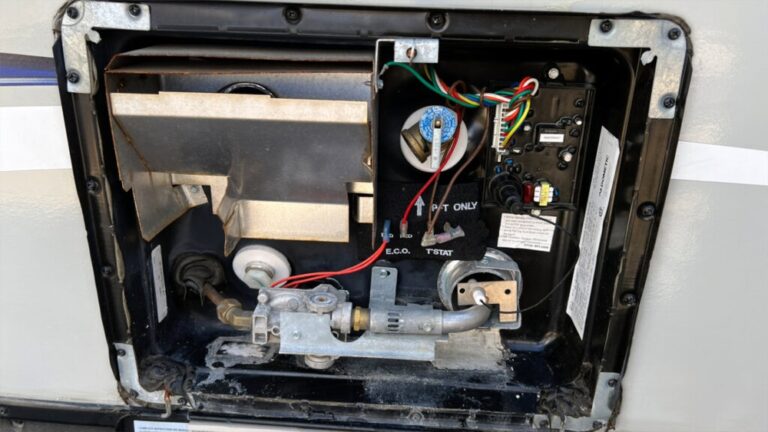
Fixing electrical components in an RV electric water heater is key to restoring hot water. These parts control the flow of electricity and heat production. Checking each part carefully helps find the exact problem. Simple tools can test and fix many issues.
Replacing A Blown Fuse
A blown fuse stops electricity from reaching the heater. First, turn off the power to avoid shock. Locate the fuse box near the heater. Remove the blown fuse and check for a broken wire inside. Replace it with a fuse of the same size and rating. Turn the power back on and test the heater.
Repairing Loose Wiring
Loose wiring can cause interruptions in power flow. Turn off the power before touching any wires. Inspect all wire connections for signs of looseness or corrosion. Tighten any loose screws or connectors. Replace damaged wires with new ones. Secure all wires neatly to prevent future problems.
Testing And Replacing The Heating Element
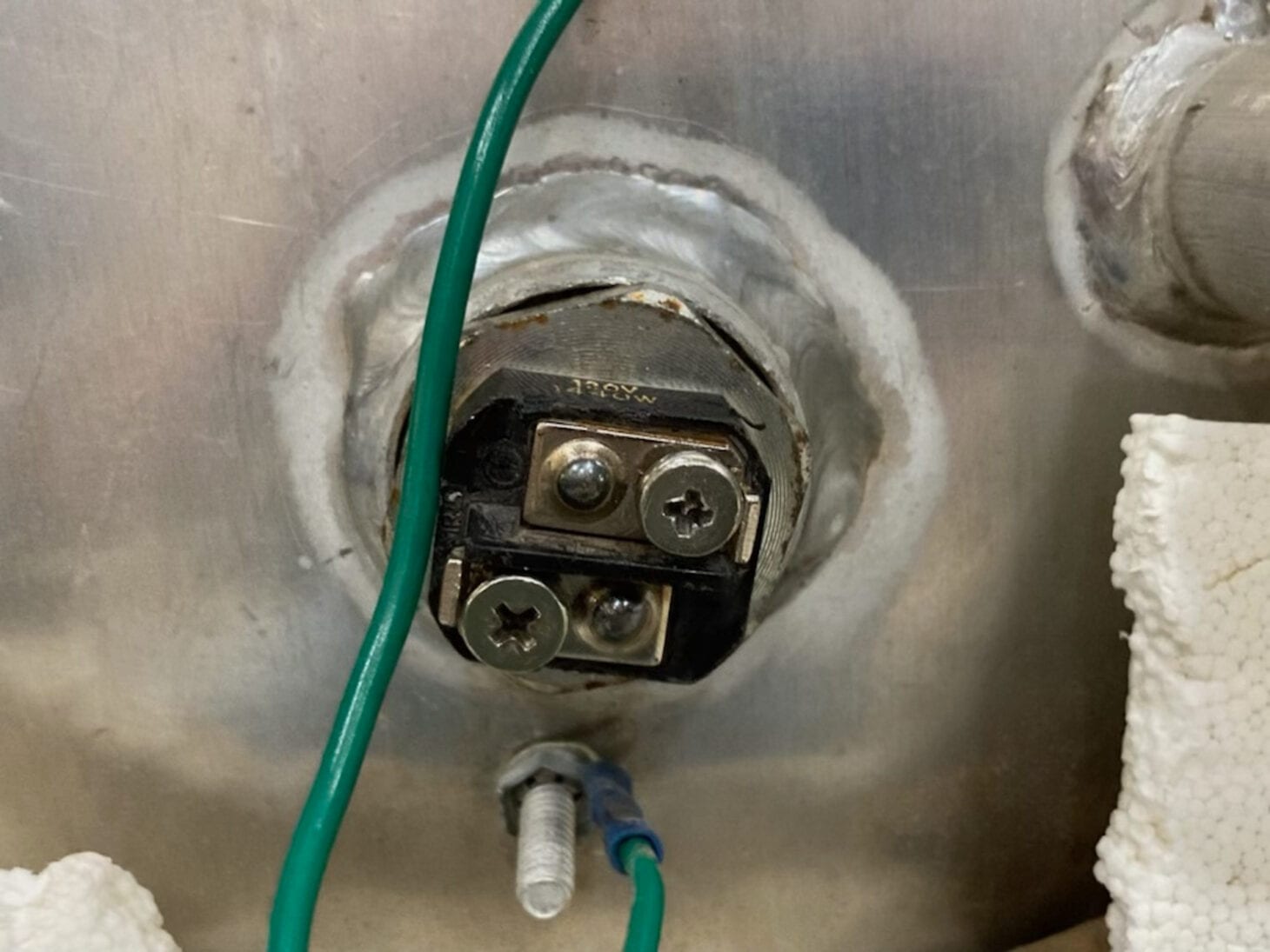
The heating element warms the water inside the tank. Use a multimeter to test its resistance. Set the meter to the ohms setting and touch the probes to each terminal. A low or no reading means the element is faulty. Remove the old element using a wrench. Install a new element of the same type and size. Restore power and check if the water heats properly.

Credit: www.youtube.com
Addressing Water Flow Issues
Water flow problems often cause an RV electric water heater to stop heating properly. Poor flow means water does not reach the heating element well. This lowers the heater’s efficiency and water may remain cold. Fixing water flow issues can restore hot water quickly and easily.
Two common causes of water flow problems include sediment build-up and low water pressure. Both reduce the amount of water passing through the system. Addressing these issues improves heating performance and extends the heater’s life.
Clearing Sediment Build-up
Over time, minerals and dirt settle inside the water heater tank. This sediment blocks water flow and covers the heating element. The element then heats less water, causing cold spots.
Flush the tank regularly to remove sediment. Use fresh water to rinse out the deposits. This clears blockages and improves water flow. Flushing also protects the heating element from damage.
Ensuring Proper Water Pressure
Low water pressure limits flow through the heater. The heater then struggles to warm enough water. Check the pressure at your RV’s water source.
Clean clogged filters and hoses to restore pressure. Replace faulty valves or worn parts if needed. Proper pressure helps water move freely, allowing the heater to work well.
Preventive Maintenance Tips
Preventive maintenance helps your RV electric water heater work longer and better. It stops small issues from becoming big problems. Simple steps keep water hot and save money on repairs. Follow these tips regularly for smooth operation.
Regular Flushing Of The Tank
Flushing the tank removes dirt and minerals inside. These build up over time and block heating. Use fresh water to flush out deposits every few months. This keeps the heater clean and efficient.
Periodic Inspection Of Electrical Parts
Check wires and connections often for damage or looseness. Faulty parts cause the heater to stop heating. Tighten loose wires and replace worn parts quickly. This prevents electrical failures and improves safety.
Monitoring Water Quality
Hard water causes scale buildup inside the heater. Test water hardness regularly to know its condition. Use water softeners if needed to protect the heater. Clean water helps the heater last longer and heat faster.
Credit: www.icecreamfactoryny.com
When To Call A Professional
Knowing when to call a professional for your RV electric water heater saves time and stress. Some problems need expert skills and tools. Trying to fix these issues alone might cause more damage or risks. This section explains key situations to seek professional help.
Complex Electrical Repairs
Electric water heaters have many wiring parts. Troubles with wiring or heating elements require expert attention. Professionals understand electrical systems and use correct tools. They can safely handle circuits without causing harm. Avoid guessing with complicated electrical repairs.
Persistent Heating Problems
Water heater stops heating repeatedly or works weakly. Simple fixes might not solve these ongoing issues. Experts can find hidden causes that are hard to see. They check thermostats, wiring, and elements thoroughly. Calling a professional ensures the heater works well again.
Safety Concerns
Electric water heaters carry risks like shocks and fires. Smells of burning, sparks, or tripped breakers need urgent help. Professionals follow safety rules to prevent accidents. They protect your RV and your health. Never ignore signs that suggest unsafe operation.
Frequently Asked Questions
Why Is My Rv Electric Water Heater Not Heating?
Your RV electric water heater may not heat due to a tripped breaker, faulty heating element, or thermostat issues. Check the power supply first. Inspect and replace damaged parts to restore heating functionality efficiently.
How To Test The Heating Element In An Rv Water Heater?
Turn off power and drain the tank. Use a multimeter to check continuity. No continuity means the heating element is faulty and needs replacement.
Can A Faulty Thermostat Cause No Hot Water In Rv?
Yes, a malfunctioning thermostat can prevent the water heater from heating properly. It fails to signal the heating element to turn on. Replacing the thermostat often resolves this issue.
How To Reset An Rv Electric Water Heater?
Locate the reset button on the water heater’s access panel. Press and hold it for a few seconds. This can restore heating if the system tripped due to overheating.
Conclusion
An RV electric water heater not heating can be frustrating. Check the power supply and thermostat first. Small issues often cause big problems. Regular maintenance helps avoid breakdowns. Keep an eye on wiring and fuses. Simple fixes save time and money.
Remember to stay safe when working with electricity. With basic care, your water heater will work well again. Don’t ignore signs of trouble. Warm water makes RV life more comfortable. Stay prepared and enjoy your travels without cold showers.