Is your RV gas hot water heater not working like it should? You rely on it for warm showers and washing up, so when it stops heating properly, it can quickly turn your trip upside down.
Don’t worry—you don’t have to be an expert to fix it. In this guide, you’ll discover simple troubleshooting steps that can save you time, money, and frustration. Keep reading to learn how to get your hot water flowing again, so you can enjoy your RV adventures without the cold water surprise.
Common Issues With Rv Gas Water Heaters
RV gas water heaters are essential for comfortable camping trips. They provide hot water for showers, dishes, and cleaning. Despite their usefulness, these heaters can develop common problems. Knowing these issues helps keep your water heater working well. This guide covers typical problems and simple ways to spot them early.
No Hot Water
No hot water is a common problem with RV gas water heaters. This issue often happens when the pilot light goes out or the gas supply is interrupted. Check the gas valve and ensure it is open. Sometimes, the thermostat may be set too low or could be faulty. Inspect these parts to restore hot water quickly.
Pilot Light Won’t Stay Lit
A pilot light that won’t stay lit can stop your heater from working. Dirt or debris may block the gas flow to the pilot. Another cause could be a bad thermocouple, which stops the gas if the flame goes out. Cleaning the pilot area and checking the thermocouple often fixes this problem.
Water Is Too Hot Or Too Cold
Water temperature issues occur when the thermostat is broken or set incorrectly. If water is too hot, the thermostat may need adjusting or replacement. Cold water means the heater is not heating properly, often due to a faulty thermostat or gas supply. Regular checks help keep the temperature just right.
Strange Noises
Unusual noises like popping or banging can mean sediment buildup inside the tank. Sediment reduces heater efficiency and can cause damage. Flushing the tank removes sediment and stops the noise. Strange sounds may also come from loose parts, so tighten any loose screws or connections.
Water Leaks
Water leaks around the heater cause damage and waste water. Leaks may come from loose connections, cracks, or worn seals. Inspect the tank and fittings regularly for moisture or puddles. Tightening connections or replacing seals usually stops leaks. Early detection prevents bigger issues.
Credit: smcontinental.com
Safety Precautions Before Troubleshooting
Before you start troubleshooting your RV gas hot water heater, safety must come first. Gas appliances can be dangerous if handled carelessly. Taking proper precautions helps avoid accidents and injuries.
Always prepare your work area and tools before you begin. Follow these safety steps to protect yourself and others around you.
Turn Off Gas Supply
Switch off the gas supply to your water heater before any inspection or repair. This step stops gas flow and reduces fire risks. Locate the gas valve and turn it to the off position. Confirm the gas is off by checking the appliance.
Check For Gas Leaks
Look for gas leaks around the heater and gas lines. Use a soapy water solution to spot bubbles at connections. If bubbles appear, gas is leaking. Never use an open flame to check leaks. If you find a leak, fix it before proceeding.
Ventilation Tips
Ensure your workspace is well ventilated. Open windows or doors to allow fresh air inside. Good airflow prevents gas buildup and reduces health risks. Avoid working in closed or tight spaces to stay safe.
Fixing Pilot Light Problems
Pilot light problems are common in RV gas hot water heaters. A pilot light that won’t stay lit means no hot water. Fixing this issue can save you time and money. Simple steps often solve the problem quickly.
Cleaning The Pilot Assembly
Dirt and debris can block the pilot assembly. Use a soft brush or compressed air to clean it. Clear away dust, spider webs, or rust carefully. A clean pilot assembly helps the flame burn steadily.
Relighting The Pilot
Turn off the gas and wait five minutes. This step clears any gas buildup. Then, follow your heater’s instructions to light the pilot. Hold the gas knob while lighting to keep the flame steady. Release the knob after the flame stays on.
Replacing The Thermocouple
The thermocouple senses the pilot flame. A faulty thermocouple cuts gas flow, causing the pilot to go out. Unscrew the old thermocouple carefully. Fit a new one in the same spot. Tighten screws and test the pilot light again.

Credit: smcontinental.com
Resolving Temperature Issues
Temperature problems in an RV gas hot water heater can cause discomfort and frustration. Cold water or inconsistent heat often signals a need for troubleshooting. Fixing these issues helps maintain comfort on the road.
Adjusting The Thermostat
The thermostat controls the water temperature. Sometimes, it may be set too low or too high. Locate the thermostat dial on your heater unit. Turn it slightly to increase or decrease the heat. Test the water temperature after each adjustment. Small changes can make a big difference. Avoid setting it too high to prevent scalding.
Inspecting The Temperature Sensor
The temperature sensor tells the heater when to turn off. A faulty sensor can cause incorrect heating. Check the sensor for dirt, damage, or loose connections. Clean any dirt gently with a soft cloth. Replace the sensor if it looks broken or worn out. Proper sensor function ensures steady water temperature.
Flushing The Water Heater
Mineral buildup inside the tank affects heating performance. Flushing removes sediment and improves efficiency. Turn off the heater and gas supply first. Open the drain valve and let water flow out. Use fresh water to rinse the tank thoroughly. Regular flushing keeps your heater working well and extends its life.
Addressing Water Leaks
Water leaks in an RV gas hot water heater can cause damage and waste water. Finding the source of the leak is important. Fixing leaks quickly keeps your RV safe and your heater working well.
Checking Connections And Valves
Start by inspecting all water connections and valves. Look for loose fittings or signs of water dripping. Tighten any loose connections carefully. Check valves for cracks or damage. Replace faulty valves to stop leaks. This step often solves many leak problems.
Replacing Seals And Gaskets
Seals and gaskets wear out over time. They can cause water to leak around joints and doors. Remove old seals and gaskets gently. Fit new ones that match your heater model. Make sure they sit evenly to prevent gaps. Proper sealing stops water from escaping.
Repairing The Tank
Leaks can come from cracks in the tank. Small cracks might be patched with waterproof sealant. Clean and dry the tank area before applying sealant. For bigger damage, tank replacement may be needed. Regular checks help find tank issues early. A strong tank keeps your heater safe and dry.
Troubleshooting Unusual Noises
Unusual noises from your RV gas hot water heater can signal a problem. These sounds often mean the heater needs attention. Ignoring noises may cause bigger issues or damage. Troubleshooting helps find the cause and fix it fast. Two common causes are sediment build-up and loose parts. Both can create sounds like banging, popping, or rattling. Checking these areas can keep your heater running quietly and safely.
Removing Sediment Build-up
Sediment collects at the tank’s bottom over time. This buildup causes popping or banging noises. Draining the tank helps remove sediment. First, turn off the water heater and gas supply. Open the drain valve and let water flow out. Sediment will flush out with the water. Close the valve and refill the tank. Regular flushing prevents sediment and noise problems.
Inspecting For Loose Components
Loose parts inside the heater cause rattling or clanking sounds. Check screws, bolts, and brackets for tightness. Vibrations during operation can loosen these parts. Use a screwdriver or wrench to tighten any loose pieces. Also, examine the burner and heat exchanger. Secure parts reduce noise and improve heater performance.
When To Call A Professional
Knowing when to call a professional for your RV gas hot water heater saves time and keeps you safe. Some problems look simple but need expert care. Others require special tools and knowledge. This section explains situations that need a skilled technician.
Complex Repairs
Some repairs need expert skills. Issues inside the heater, like a broken valve or damaged burner, can be tricky. Fixing them without experience risks more damage. Professionals have the right tools to fix these problems safely and quickly.
Gas Line Issues
Gas leaks or damaged gas lines are dangerous. Detecting or fixing these problems can be hard. A small leak can cause fire or poisoning. Only trained technicians should handle gas line repairs to keep you safe.
Persistent Problems
If your heater breaks down again after fixing, call a professional. Repeated issues mean a deeper problem. Professionals find the root cause and fix it properly. This stops future breakdowns and keeps your water heater working well.
Maintenance Tips To Prevent Issues
Maintaining your RV gas hot water heater helps avoid many common problems. Regular care keeps the heater working well and extends its life.
Regular Cleaning
Clean the water heater tank often. Remove dirt and debris to stop clogs. Use a soft brush or cloth for cleaning. Keep vents clear for proper air flow. Clean burner parts to ensure good flame quality.
Winterizing Your Water Heater
Protect your water heater in cold weather. Drain all water to prevent freezing inside. Use RV antifreeze to avoid pipe damage. Follow the manufacturer’s steps for winterizing. This prevents costly repairs and keeps the heater safe.
Routine Inspections
Check your water heater regularly for leaks and cracks. Look at gas lines and connections for wear. Test the pilot light and thermostat often. Fix small issues early to avoid big problems. Keep a schedule to inspect before every trip.
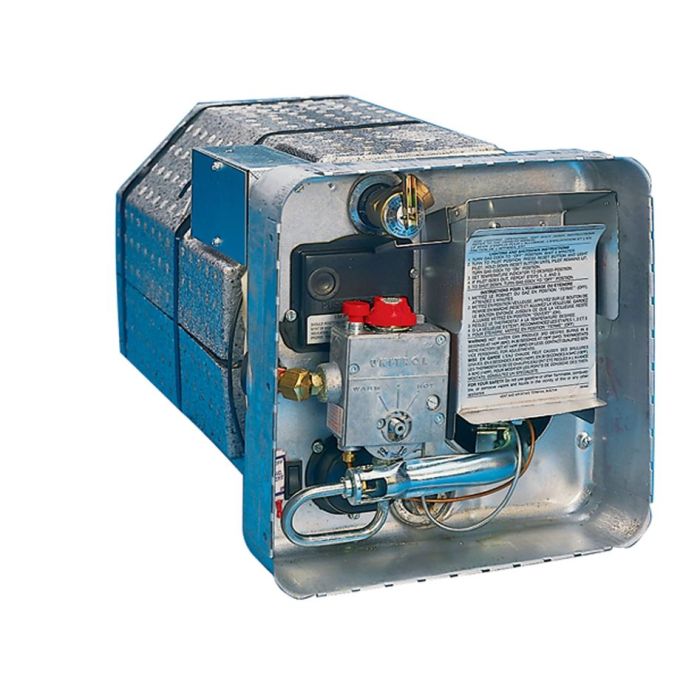
Credit: smcontinental.com
Frequently Asked Questions
How To Fix Rv Gas Hot Water Heater Not Heating?
Check the gas supply and pilot light first. Clean or replace the thermocouple if needed. Inspect the burner and thermostat for faults.
Why Is My Rv Water Heater Pilot Light Keeps Going Out?
A dirty or faulty thermocouple often causes this. Also, check for gas flow issues or draft affecting the flame.
What Causes Rv Gas Water Heater To Leak Water?
Leaks usually come from loose connections or damaged heating elements. Inspect all fittings and replace any worn parts.
How To Reset An Rv Gas Hot Water Heater?
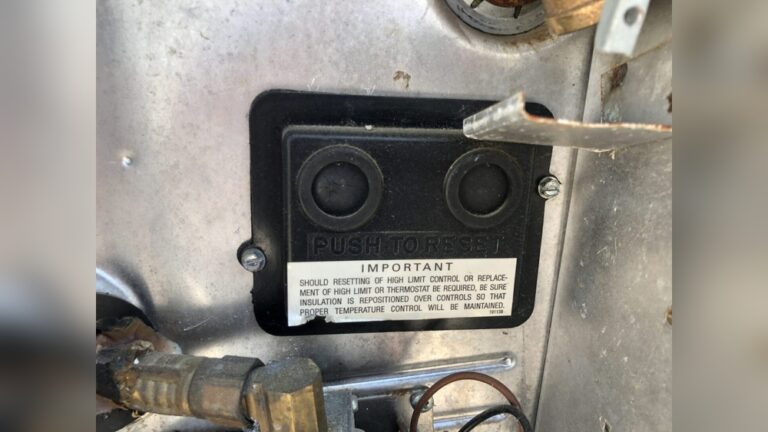
Locate the reset button, usually near the thermostat. Press and hold it for a few seconds, then release to restart.
Conclusion
Troubleshooting your RV gas hot water heater can save time and money. Start with simple checks like gas supply and pilot light. Keep safety in mind while inspecting parts. Regular maintenance helps prevent common problems. Small fixes often restore hot water quickly.
Understanding these steps makes camping more comfortable. Stay patient and follow instructions carefully. This guide aims to help you feel confident fixing your heater. Enjoy warm showers on your next RV trip!