Are you struggling to find the right anode socket size for your RV hot water heater? Choosing the correct size is crucial to keep your water heater running smoothly and to avoid costly repairs down the road.
You’ll discover exactly what anode socket size means, why it matters, and how to easily identify the right fit for your RV. By the end, you’ll feel confident tackling this important part of your RV maintenance with ease. Keep reading to protect your investment and enjoy hot showers on every trip.
Credit: www.tandooriflame.com.sg
Rv Hot Water Heater Basics
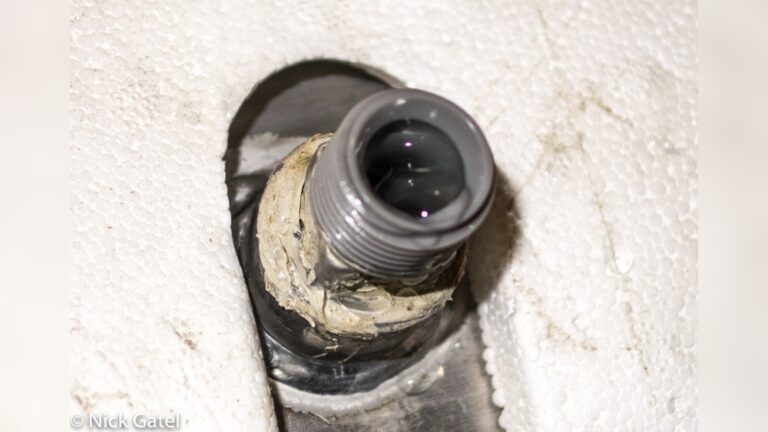
The RV hot water heater warms water using electricity or propane. It heats water stored in a tank for showers and washing. Inside the heater, a part called the anode rod helps stop rust from forming. The anode rod fits into a special socket, which usually has a size of 3/4 inch to match common plumbing parts.
Water heaters can have problems like no hot water or leaks. Sometimes, the anode rod wears out, causing rust inside the tank. This can damage the heater and shorten its life. Another issue is a faulty thermostat, which stops the heater from working properly. Regular checks help catch these problems early and keep the water hot.
Credit: www.corroprotec.com
Role Of The Anode Rod
The anode rod helps protect the water heater from rust. It is made of metal that corrodes first, saving the tank from damage. This keeps the heater working longer and avoids leaks.
The rod needs checking often. Signs of wear include rust-colored water or a foul smell. If the rod is thin or broken, it should be replaced.
Replacing the anode rod keeps the water heater safe and working well. It is a small part but very important.
Anode Socket Size Importance
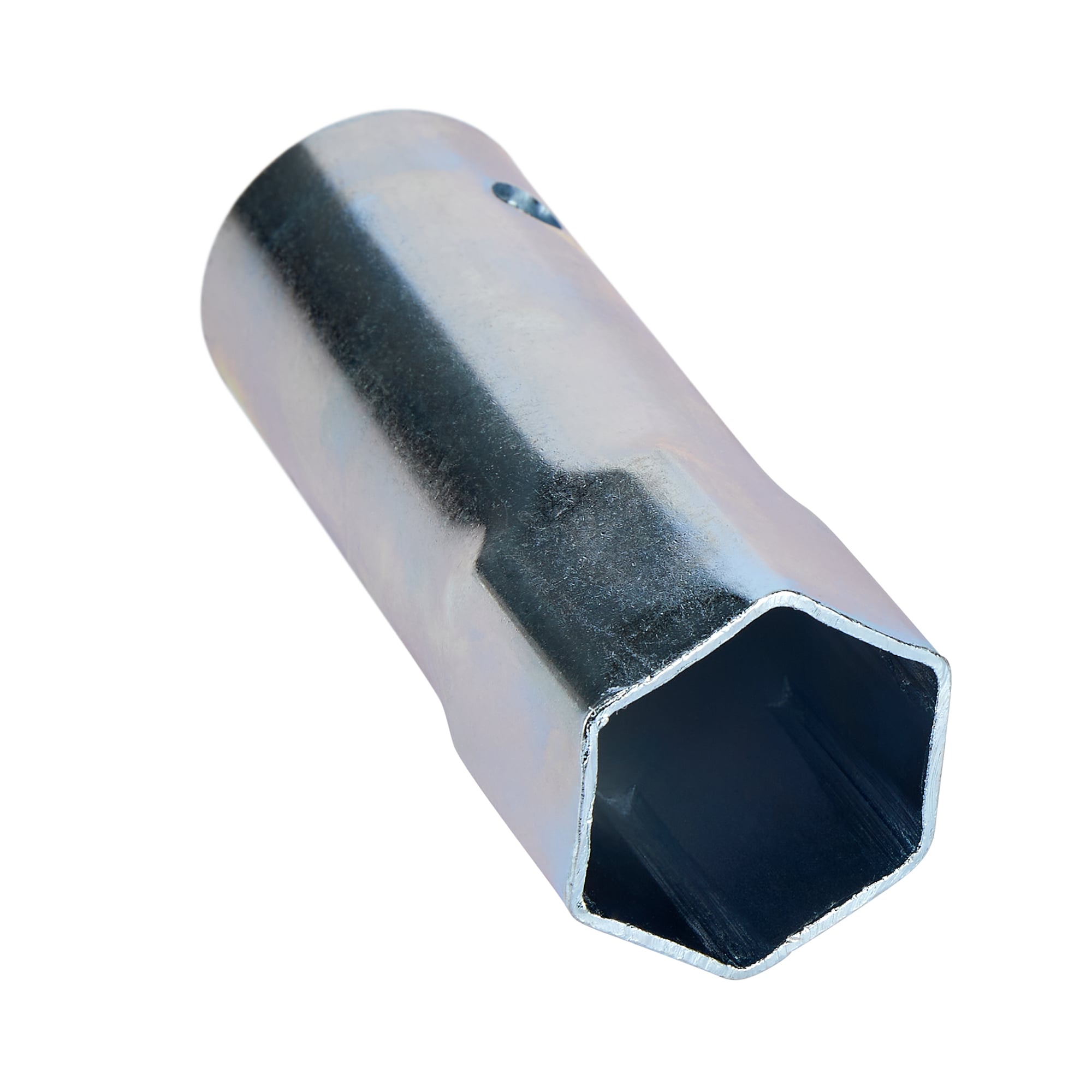
The anode socket size in an RV hot water heater is very important. It must fit the anode rod exactly to work well. If the size is too small or too big, the rod will not stay tight. This can cause leaks or poor protection inside the heater.
Standard sizes for these sockets include 3/4 inch and 1 inch. These sizes match most common anode rods. Using the right size helps the rod stop corrosion and keep the heater lasting longer. Always check the size before buying a new rod or socket.
Credit: www.nicos-shrimps.com
Tools Needed For Diy Repairs
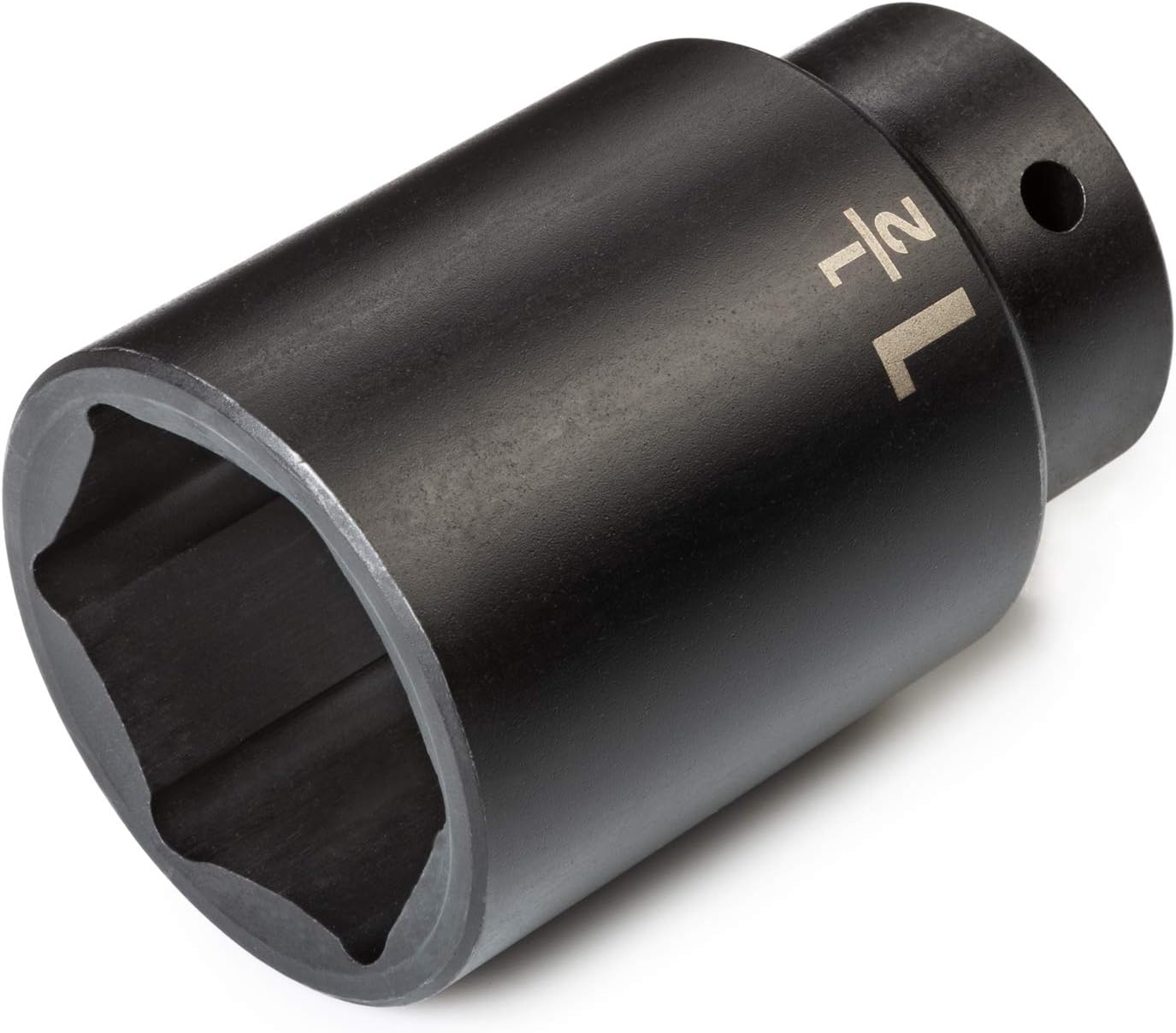
Socket wrenches are essential tools for removing and installing the anode rod in an RV hot water heater. The most common socket size needed is 1 1/16 inches, but some models may vary. Having a set of socket wrenches helps you match the right size easily.
Replacement parts like the anode rod must fit correctly to protect the heater from rust. Always check the manufacturer’s guidelines before buying. Using the right parts extends the heater’s life and keeps it working well.
Measuring The Anode Socket
Start by turning off the water heater and letting it cool down. Use a ruler or tape measure to find the diameter of the anode socket. Measure across the opening from one inner edge to the other. Write down this number in inches or millimeters.
Check if the socket is threaded or smooth. Threads help match the right anode rod. Use a flashlight to see inside the socket clearly. Clean any dirt for a better view.
For the best fit, measure the depth of the socket. This tells how long the anode rod can be. Use a small stick or ruler to measure inside.
Keep a note of all measurements. Bring them when buying a new anode rod. This helps avoid wrong sizes and saves time.
Replacing The Anode Rod
Before replacing the anode rod, turn off the water heater and power supply. Let the heater cool down to avoid burns. Drain some water from the tank to reduce pressure. Use a wrench to remove the old anode rod carefully. Check the socket size needed; most RV hot water heaters use a 1 1/16 inch socket. Clean the socket area to remove rust or debris.
Insert the new anode rod and tighten it securely but avoid over-tightening. Refill the tank with water and check for leaks. Turn the power back on and test the heater. Regular checks on the anode rod help prevent tank corrosion.
Wear gloves and safety glasses to protect yourself. Work in a well-ventilated area. Keep tools handy and follow the heater’s manual instructions closely. Avoid rushing to prevent damage or injury.
Maintaining Your Hot Water Heater
Check the anode socket size regularly to avoid leaks. This part helps protect the heater from rust. Most RV hot water heaters use a 3/4 inch anode socket size. Use a wrench that fits well for easy removal. Inspect the anode rod every 6 to 12 months. Replace it if it looks worn or corroded. A good anode rod keeps the tank safe and lasting longer.
Cleaning the tank and flushing out sediment also helps. Sediment buildup can cause damage and reduce heat efficiency. Flush the tank every year to keep it clean. This simple step saves money on repairs. Keep the heater’s exterior free from dirt and debris. Check for cracks or leaks outside the tank too.
Troubleshooting Common Issues
Leaks often happen around the anode socket. Tighten the connections to stop water dripping. Check the rubber seal for cracks or damage. Replace the seal if worn out. Corrosion can eat away metal parts inside the heater. This causes leaks and reduces heater life. Clean or replace corroded parts quickly.
Heating problems may occur if the anode socket size is wrong. A loose socket can cause poor contact and no heat. Make sure the socket fits the heater model exactly. Also, check the thermostat and heating element for faults.
Conclusion
Choosing the right anode socket size keeps your RV water heater safe. It helps stop rust and extends heater life. Checking the size before buying saves time and money. Small steps like this protect your RV’s hot water system. Keep your heater working well for every trip.
Simple care makes a big difference.