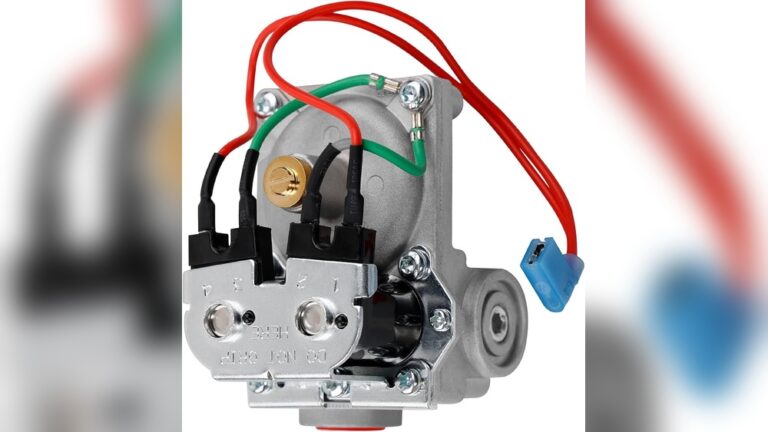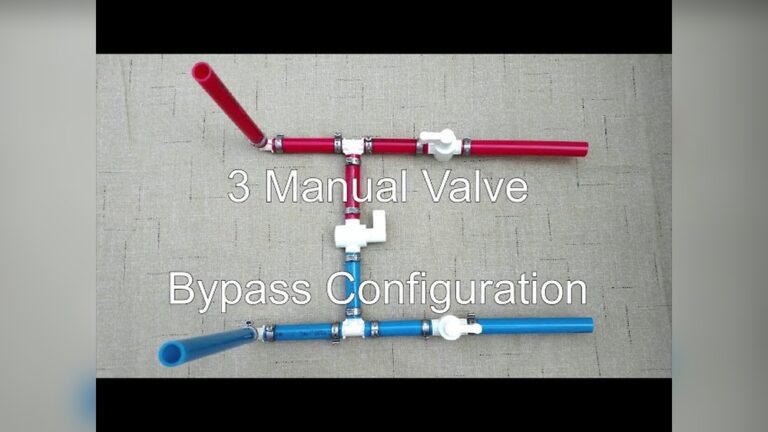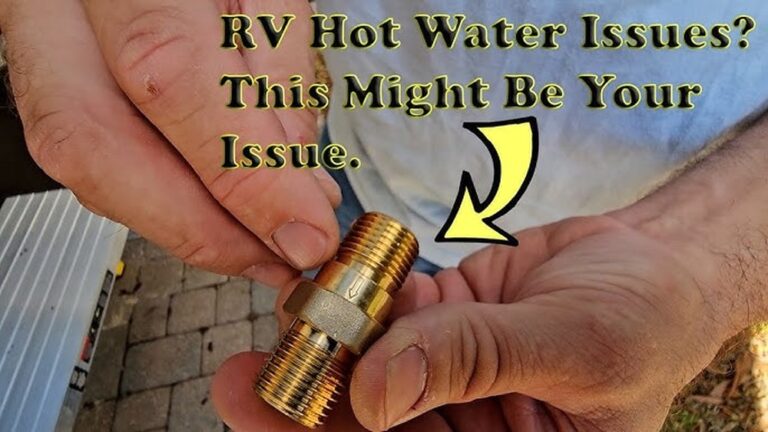
Are you struggling to find the right plug socket size for your RV hot water heater? Choosing the correct size is more important than you might think.
A wrong fit can lead to poor performance, safety risks, and costly repairs. You’ll discover exactly what plug socket size works best for your RV hot water heater. By the end, you’ll feel confident making the right choice, saving time and avoiding frustration.
Keep reading to get the details you need to keep your hot water heater running smoothly.

Credit: www.thewave.global
Rv Hot Water Heater Basics
RV hot water heaters come in two main types: propane and electric. Propane heaters use gas to warm the water quickly. Electric heaters use power from your RV’s battery or shore power. Some models combine both for better flexibility.
Most heaters have a tank to store hot water. This lets you use hot water anytime. Tankless models heat water only when needed. This saves space and energy.
Common features include easy controls and automatic shut-off for safety. Many heaters are compact and fit well in small spaces. They keep water warm even in cold weather.
Benefits of these heaters are comfort and convenience. You get hot water for showers, washing dishes, and cleaning. They help make RV life more enjoyable.
Plug Socket Size Essentials
RV hot water heater plug sockets come in different sizes. The most common sizes are 15 amp and 30 amp. Knowing the right size helps avoid electrical problems and keeps your heater running safely.
Using a plug socket that is too small can cause overheating or damage. A socket that is too large might not fit properly, causing loose connections. Always check your RV heater’s manual to find the exact plug socket size needed.
| Plug Socket Size | Common Use | Voltage |
|---|---|---|
| 15 Amp | Small RV heaters | 120V |
| 30 Amp | Standard RV heaters | 120V |
Correct socket size means better safety and better heater performance. Always match your heater’s plug size with the socket to prevent issues.
Choosing The Right Socket Size
Choosing the correct socket size is essential for your RV hot water heater. Different heater models need specific socket sizes to fit properly. Using the wrong size can cause damage or poor connection. Check the heater’s manual to find the exact socket size required.
Each model may use a different socket type, such as 1/2 inch or 3/4 inch. Matching the socket ensures a secure and safe fit. It also helps the heater work efficiently without leaks or electrical issues.
Safety is very important. A wrong or loose socket can lead to electrical shocks or fire hazards. Always use sockets made for RV use and meet local safety standards. Regularly check for wear or damage to avoid risks.
Credit: www.comuntia.org
Installation Tips
Gather these essential tools before starting the installation: a screwdriver, wire stripper, voltage tester, and a wrench. Make sure the power is turned off for safety. Check the socket size to fit your RV hot water heater plug. Use the voltage tester to confirm no electricity flows.
Begin by removing the old socket. Unscrew carefully and disconnect wires. Attach the new socket by connecting wires to the correct terminals. Tighten screws firmly but do not over-tighten.
Test the connection with the voltage tester. Secure the socket in place. Turn the power back on and check if the heater works.
Troubleshooting Plug Socket Issues
Common plug socket problems include loose connections, blown fuses, and corrosion. Loose plugs can cause the heater to stop working. Check if the plug fits snugly in the socket. A blown fuse will cut power; replace it carefully. Corrosion on socket pins can block electricity flow. Clean the pins gently with a dry cloth.
Check the socket size matches the heater plug. A wrong size can cause poor contact or damage. Use the correct size recommended by the manufacturer. Always switch off power before inspecting the socket or plug.
Call a professional if the heater still does not work after basic checks. Electrical issues can be dangerous. A licensed technician can test wiring and replace faulty parts safely. If unsure about any step, do not try to fix it yourself. Safety first.
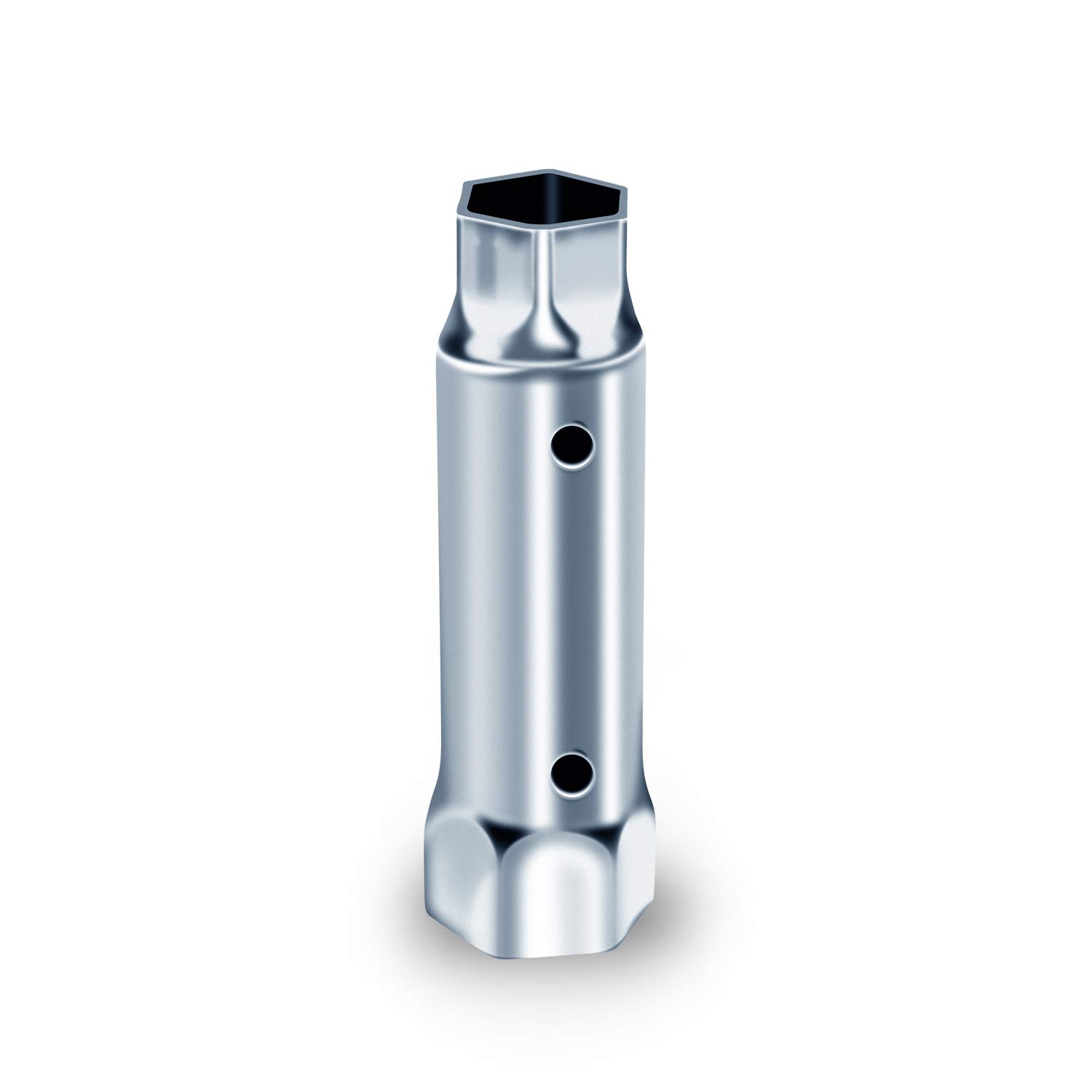
Credit: www.genexuk.co.uk
Maintenance For Longevity
Regular checks on the plug and socket help keep the RV hot water heater safe. Look for loose connections and damaged wires. These can cause electrical problems or even fires.
Cleaning the plug and socket removes dust and debris. This keeps the connection strong. Use a dry cloth to wipe them gently.
Check the socket size matches the plug. Using the wrong size can damage the heater or cause it to stop working. A tight and proper fit is very important.
Look out for signs of wear and tear. Cracks or burns mean it’s time to replace parts. Replacing worn parts keeps everything running well and safe.
Conclusion
Choosing the right plug socket size keeps your RV hot water heater safe. It helps avoid electrical problems and saves repair costs. Always check your heater’s manual for exact socket size. Using the correct socket makes installation easier and faster.
Keep your RV’s water heater working well on every trip. Small details like socket size make a big difference. Take time to match parts carefully. This helps your RV feel more like home. Stay safe and enjoy warm water wherever you go.