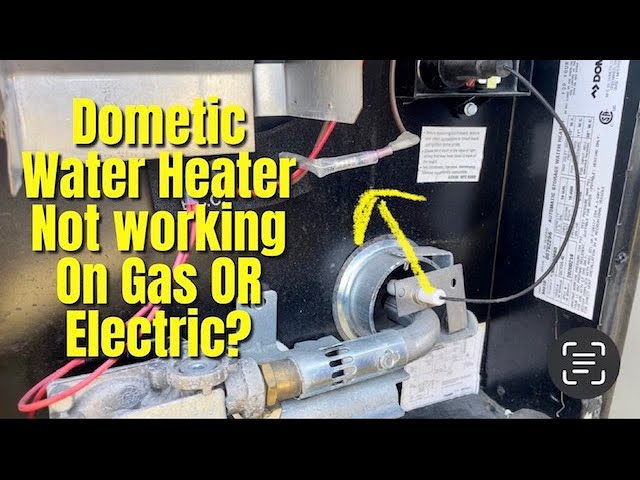
Is your RV hot water heater acting up when you need it most? You’re not alone.
Nothing’s more frustrating than stepping into a cold shower after a long day on the road. But before you call a professional or replace your unit, there’s good news—you can often fix common problems yourself. In this guide, you’ll discover simple, step-by-step troubleshooting tips that save you time and money.
Keep reading, and you’ll be back to enjoying warm water on your next adventure in no time.
Credit: www.dangerfieldsofshakopee.com
Common Hot Water Problems
Hot water issues are common in RVs. They can make your trips uncomfortable. Knowing common problems helps you fix them fast. This saves time and money. Below are frequent hot water heater issues.
No Hot Water
No hot water means the heater is not working. Check if the unit has power. Look for tripped breakers or blown fuses. Gas models need enough propane. Pilot lights must be on. Sediment buildup can block heating. Flushing the tank often helps.
Water Too Hot
Water too hot can cause burns. The thermostat might be set too high. Lower the temperature to a safe level. Faulty thermostats can fail to regulate heat. Replace damaged parts quickly. Check pressure relief valves to avoid danger.
Water Smells Or Discolored
Bad smells or discoloration mean water quality issues. Bacteria can grow inside the tank. Flush the system regularly to keep it clean. Use water filters to improve taste. Rusty water often signals corroded pipes or tank. Inspect and replace rusty parts.
Inconsistent Water Temperature
Water temperature that changes often is annoying. Thermostat problems are a common cause. Sediment buildup can also affect heating. Check for loose wiring or damaged heating elements. Regular maintenance prevents this issue.
Checking Power And Fuel Supply
Checking the power and fuel supply is the first step in RV hot water heater troubleshooting. Without proper power or fuel, the heater will not work. This section guides you through simple checks to ensure your water heater gets the energy it needs.
Inspecting Electrical Connections
Start by examining all electrical connections. Look for loose wires or corrosion around terminals. Tighten any loose connections carefully. Check the circuit breaker or fuse that powers the heater. Reset the breaker or replace the fuse if needed. Ensure the RV battery is charged and supplying power.
Verifying Propane Or Gas Levels
Next, confirm the propane or gas supply. Check the propane tank gauge to see the fuel level. If the tank is empty or low, refill it before trying to use the heater. Inspect the gas line for leaks or damage. Use soapy water on connections and watch for bubbles to spot leaks. Close the propane valve and fix any leaks immediately.
Resetting The System
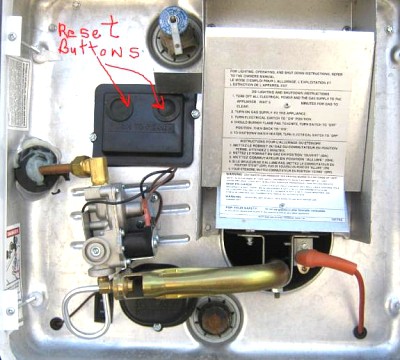
Many RV water heaters have a reset button. Press and hold it for a few seconds to restart the system. This can clear minor electrical faults. After resetting, wait a few minutes for the heater to start. If it still does not work, repeat the checks or consult a professional.
Examining The Thermostat
The thermostat controls the water heater’s temperature. It tells the heater when to turn on or off. A faulty thermostat can cause no hot water or water that is too hot. Examining this part can solve many heating problems quickly.
Adjusting Temperature Settings
Start by checking the thermostat’s temperature setting. It should be set between 120°F and 140°F. Use a screwdriver to turn the dial gently. Avoid setting it too high to prevent burns and save energy. Small changes can improve water temperature significantly.
Testing Thermostat Functionality
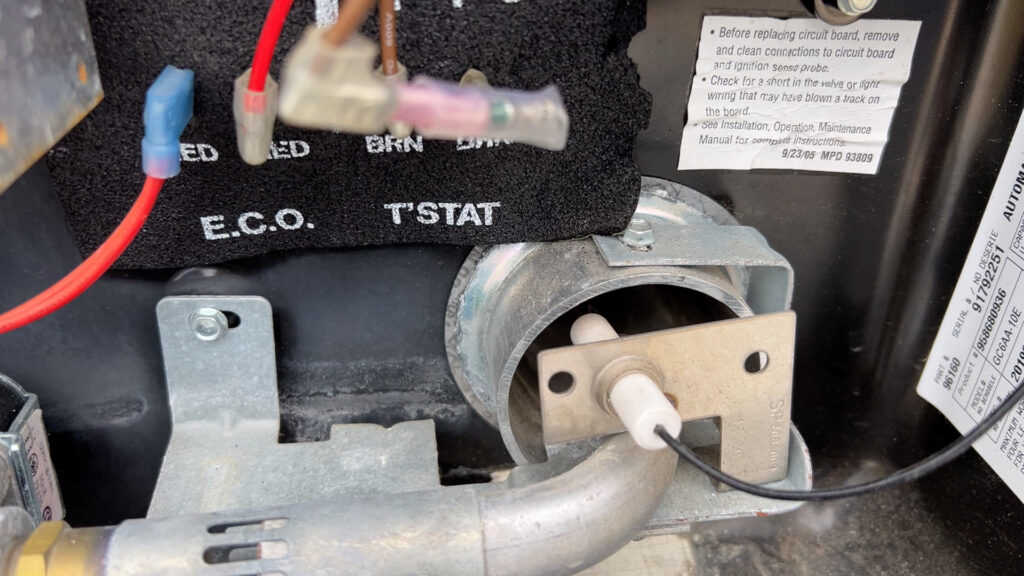
Turn off the power to the water heater before testing. Use a multimeter to check for continuity in the thermostat. No continuity means the thermostat is not working properly. Test both the upper and lower thermostats if your unit has two. A working thermostat shows a reading on the multimeter.
Replacing A Faulty Thermostat
Buy a replacement thermostat that matches your water heater model. Turn off all power and drain the tank partially. Remove the access panel and old thermostat carefully. Install the new thermostat in the same position. Restore power and test the water temperature after replacement.

Credit: www.youtube.com
Inspecting The Heating Element
Inspecting the heating element is a key step in fixing your RV hot water heater. This part heats the water, so any problem here stops hot water flow. Checking it carefully can save you time and money. The process involves spotting damage, testing the element, and replacing it if needed. Each step helps find the exact issue fast.
Signs Of A Damaged Element
Look for water that never gets hot. Strange noises from the heater may occur. Burn marks or corrosion on the element are clear signs. A tripped breaker or blown fuse can also point to a faulty element. These signs mean the heating element might need attention.
Testing With A Multimeter
Turn off power to the heater before testing. Remove the element from the water tank. Set your multimeter to measure resistance (ohms). Touch the probes to the element terminals. A reading of zero or infinite resistance shows a bad element. A good element usually reads between 10 to 30 ohms.
Replacing The Heating Element
First, drain the water tank completely. Unscrew the old heating element carefully. Match the new element with the old one in size and power rating. Install the new element and tighten it securely. Refill the tank and restore power. Test the heater to confirm it works well.
Addressing Sediment Buildup
Sediment buildup is a common problem in RV hot water heaters. It happens when minerals and dirt settle at the bottom of the tank. This reduces the heater’s efficiency and can cause damage over time. Cleaning this sediment helps keep your water heater working well. It also extends the life of the unit and ensures hot water flows smoothly.
Regular maintenance is key to controlling sediment. Flushing the water heater removes the settled material. Preventing future buildup keeps your system running longer and saves money on repairs. Both steps are simple and important for RV owners.
Flushing The Water Heater
Turn off the power or gas supply to the water heater. Let the water cool down before starting. Attach a hose to the drain valve at the bottom of the tank. Direct the hose to a safe drainage area. Open the drain valve and let the water flow out. This water will carry away the sediment. Close the valve after the tank is empty. Open the cold water supply to flush out remaining debris. When the water runs clear, close the drain valve. Refill the tank, and turn the power or gas back on.
Preventing Future Sediment Accumulation
Use a water softener to reduce minerals in your water. Regularly flush the tank every 6 to 12 months. Avoid using hard water if possible. Check the anode rod and replace it if worn. This rod attracts minerals and helps prevent buildup. Keep the water heater temperature around 120°F. Higher temperatures cause faster sediment buildup. These actions help keep your water heater clean and efficient.
Credit: www.dangerfieldsofshakopee.com
Fixing Water Flow Issues
Fixing water flow issues in an RV hot water heater can restore comfort during your trips. Poor water flow reduces hot water supply and can cause frustration. Checking key parts helps find and fix the problem quickly. Follow these steps to improve your water heater’s flow and enjoy steady hot water.
Checking Water Inlet And Outlet
Start by examining the water inlet and outlet pipes. Look for leaks, cracks, or loose connections. Tighten any loose fittings to stop water loss. Make sure the inlet valve is fully open to allow water in. The outlet pipe should be clear and securely connected. A blocked or damaged pipe can reduce water flow.
Clearing Blockages
Blockages in pipes or the heater tank can slow water flow. Remove any debris or sediment buildup inside the heater. Flush the tank with clean water to clear out dirt. Check the inlet screen for dirt and clean it carefully. Clear pipes and valves help water move freely and improve flow.
Inspecting The Pressure Relief Valve
The pressure relief valve protects your heater from high pressure. A stuck or faulty valve can affect water flow. Test the valve by lifting its lever to release pressure. If water does not flow or leaks constantly, replace the valve. A working valve ensures safe and smooth water flow.
Maintaining Your Rv Hot Water Heater
Maintaining your RV hot water heater keeps it running well and extends its life. Regular care helps avoid sudden breakdowns and costly repairs. Simple steps can make a big difference in performance and safety.
Regular Inspection Tips
Check the water heater for leaks or rust often. Look at all connections and hoses for cracks or damage. Make sure the pressure relief valve works correctly. Clean any dirt or debris from the heater area. Watch for unusual noises when the heater runs.
Seasonal Maintenance Steps
Drain the water heater tank before winter storage. Flush the tank to remove mineral buildup every few months. Replace the anode rod if it looks worn out. Check the thermostat settings to keep water at a safe temperature. Inspect the burner or heating element for dirt or corrosion.
When To Call A Professional
Call an expert if the heater won’t light or heat water. If you smell gas or see strong corrosion, stop use immediately. Strange noises or leaks that you cannot fix need professional help. Electrical or propane system issues require trained technicians. Regular professional checkups help keep your heater safe and reliable.
Frequently Asked Questions
How Do I Fix My Rv Hot Water Heater Not Heating?
Check the power source and thermostat settings first. Inspect the heating element for damage. Reset the breaker or replace faulty parts if needed. Regular maintenance prevents common issues and ensures proper heating.
Why Is My Rv Hot Water Heater Leaking Water?
Leaks often come from loose connections or damaged seals. Inspect all fittings, valves, and the tank for cracks. Tighten fittings or replace worn parts promptly to avoid water damage and maintain system efficiency.
How Can I Reset My Rv Water Heater Safely?
Locate the reset button, usually near the thermostat. Turn off the power and gas supply before pressing it. Wait a few minutes, then restore power and gas. This can resolve minor electrical or thermostat faults.
What Causes My Rv Hot Water Heater Pilot Light To Go Out?
Drafts, dirty pilot orifice, or faulty thermocouples often cause this. Clean the pilot assembly and ensure proper ventilation. Replace defective parts to maintain a steady flame and safe operation.
Conclusion
Troubleshooting your RV hot water heater can save time and money. Check basic parts first like the power supply and pilot light. Small fixes often solve common problems quickly. Regular maintenance keeps the heater working well on the road. Know when to call a professional for safety reasons.
Stay calm and follow simple steps to find the issue. Enjoy warm showers wherever your travels take you. Keep this guide handy for easy reference anytime.