Is your RV propane water heater not working when you need it most? Nothing is more frustrating than stepping into a cold shower after a long day on the road.
You rely on your water heater for comfort and convenience, so when it stops heating, it can throw off your entire trip. But don’t worry—you’re not alone, and there are simple steps you can take to get it back up and running quickly.
You’ll discover the common reasons why your RV propane water heater might fail and easy fixes that you can try yourself. Keep reading to make sure your next adventure stays warm and comfortable.
Common Causes Of Propane Water Heater Issues
Propane water heaters in RVs can stop working for several reasons. Knowing common causes helps fix issues quickly. This saves time and keeps your hot water flowing during trips.
Many problems come from parts that wear out or get dirty. Some issues relate to gas flow or water movement inside the heater. Checking these areas first makes troubleshooting easier.
Pilot Light Problems
The pilot light must stay lit for the heater to work. Wind, dirt, or a weak flame can put it out. A pilot light that won’t stay on often needs cleaning or adjustment.
Sometimes the flame is too small to heat the sensor. This causes the heater to shut off for safety. Regular checks keep the pilot light burning strong.
Thermocouple Malfunctions
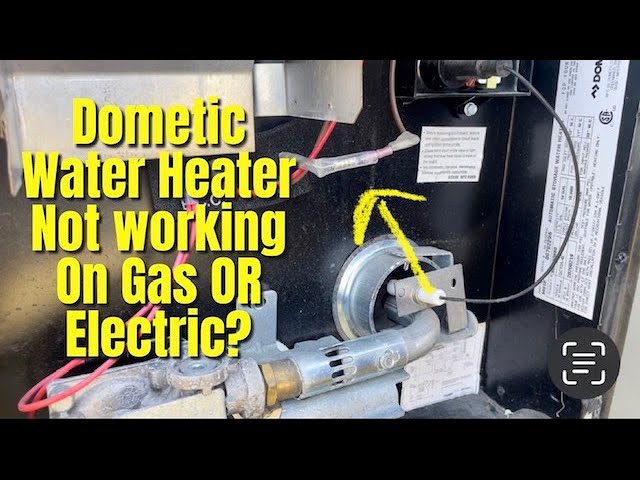
The thermocouple senses heat from the pilot light. It tells the gas valve to stay open. If it breaks or gets dirty, it stops working.
A faulty thermocouple cuts off gas flow. This prevents the burner from lighting. Replacing the thermocouple usually fixes the problem fast.
Gas Supply Interruptions
Propane must flow freely to the water heater. Blocked or empty tanks stop the gas supply. Valves left closed or leaks also cause interruptions.
Check the propane tank and connections regularly. Make sure valves are open and hoses are undamaged. Proper gas flow is vital for heater operation.
Water Flow Issues
Water must flow properly through the heater for heating. Low water pressure or clogged pipes can stop heating. Sediment buildup inside the heater also blocks flow.
Flush the water heater to remove sediment. Inspect hoses and filters for clogs. Good water flow helps the heater work efficiently.

Credit: www.airoxnigen.com
Safety Precautions Before Troubleshooting
Safety is the top priority before fixing an RV propane water heater. Small mistakes can cause big problems. Taking the right steps keeps you and your RV safe.
Follow these safety tips carefully. They help prevent accidents and make troubleshooting easier. Always prepare your space before starting any work on the heater.
Checking For Gas Leaks
Gas leaks are very dangerous. Smell for rotten eggs or sulfur near the heater. Use a soap and water mix to test connections. Bubbles mean a leak is present. Never ignore this. Turn off the gas immediately and fix the leak before continuing.
Ventilation And Fire Hazards
Work in a well-ventilated area. Open windows and doors to let fresh air in. Avoid using the heater in closed spaces. Remove anything flammable nearby. Keep towels, paper, and liquids away from the heater. This lowers fire risk and keeps air clean.
Turning Off Power And Gas
Always switch off the propane supply before working on the heater. Disconnect the power source too. This stops electric shocks and gas flow. Double-check that all switches and valves are off. Only start repairs after confirming safety.
Quick Fixes For Pilot Light Issues
Pilot light issues are common reasons RV propane water heaters stop working. These quick fixes can help restore heat and hot water fast. Each step is simple and safe to try before calling a professional.
Relighting The Pilot Light
First, turn off the water heater and wait five minutes. This clears any gas build-up. Locate the pilot light knob and press it down. Use a long lighter or match to light the pilot. Keep the knob pressed for 30 seconds after lighting. Release the knob slowly. The pilot should stay lit. If it goes out, try again or check other parts.
Cleaning The Pilot Orifice
Dirt or debris can block the pilot orifice. Turn off the water heater and gas supply. Remove the pilot assembly carefully. Use a thin wire or needle to clean the orifice opening. Blow air through the pilot tube to remove dust. Reassemble the parts and relight the pilot. A clean orifice improves gas flow and flame strength.
Replacing Faulty Thermocouples
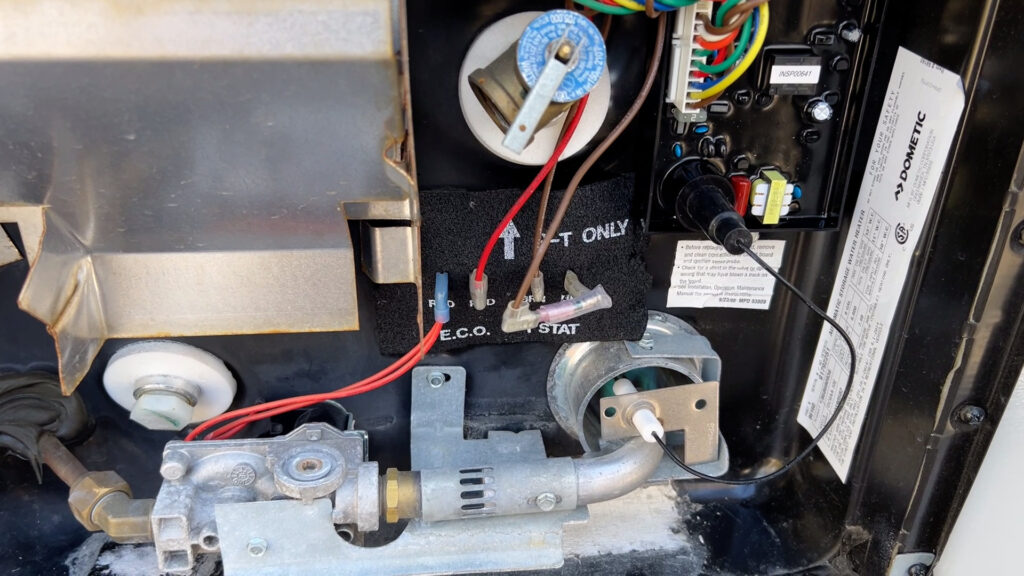
The thermocouple senses the pilot light and controls gas flow. A broken thermocouple stops the heater from working. Turn off all power and gas before starting. Unscrew the old thermocouple near the pilot light. Install a new thermocouple in the same place. Tighten all connections. Relight the pilot light and test the water heater. A new thermocouple often fixes pilot light problems.
Credit: atilganinsaat.com
Resolving Gas Supply Problems
Gas supply issues often cause an RV propane water heater to stop working. Fixing these problems requires careful checks. Start by looking at the propane tanks, valves, gas lines, and regulator. Each part plays a key role in delivering gas safely and efficiently.
Inspecting Propane Tanks And Valves
First, check the propane tanks for enough fuel. Empty tanks cannot supply gas to the heater. Look for signs of damage or rust on the tanks. Next, examine the valves. Make sure they are fully open. Closed or partially closed valves block gas flow. Clean any dirt or debris around the valve area. This helps maintain a good seal.
Checking Gas Lines For Blockages
Gas lines must be clear for proper flow. Inspect the lines for cracks, holes, or kinks. These defects stop gas from moving through. Use a flashlight to see inside the lines if possible. Remove any dirt, spider webs, or debris that might block gas. Replace damaged lines immediately to avoid leaks or hazards.
Ensuring Proper Regulator Function
The regulator controls gas pressure going into the heater. A faulty regulator can cut off or reduce gas flow. Look for dents, rust, or signs of wear on the regulator. Test the regulator by listening for hissing sounds or using a pressure gauge. Replace the regulator if it does not maintain steady pressure. This step ensures the water heater receives the right amount of gas.
Addressing Water Flow And Temperature Concerns
Water flow and temperature issues are common in RV propane water heaters. These problems reduce comfort and affect daily use. Fixing these concerns ensures a steady hot water supply. Several simple checks and fixes can improve performance.
Start by looking at possible blockages or buildup inside the system. Then, check temperature controls to match your needs. Finally, ensure the water pressure is correct for smooth operation.
Flushing Sediment Build-up
Sediment collects inside the water heater over time. It blocks water flow and lowers heating efficiency. Flushing removes this buildup and clears the pipes. Use fresh water to flush out the tank. Repeat until the water runs clear. This step keeps your heater working well and extends its life.
Adjusting Temperature Settings
Temperature settings may be too low or too high. Adjust the thermostat to get the right heat level. Most heaters have a dial or control panel for this. Set it to a warm but safe temperature. Avoid too hot settings to prevent burns and save fuel. Test the water after each adjustment to find the best setting.
Examining Water Pressure
Water pressure affects flow and heating speed. Low pressure can cause weak water flow and cold spots. Check the pressure using a gauge or by feeling the flow. Clear any clogs in pipes or filters. Fix leaks or loose connections. Proper pressure ensures consistent hot water and better heater function.

Credit: www.youtube.com
When To Call A Professional
Knowing when to call a professional for your RV propane water heater saves time and keeps you safe. Some problems are easy to fix yourself. Others need expert skills and tools.
Trying to repair complex issues without experience can cause more damage. It also risks your safety and the safety of others in the RV. Watch for signs that require a professional’s help.
Signs Of Complex Mechanical Failures
Strange noises from the heater can mean mechanical failure. Parts like the burner or thermostat may be broken. If the heater won’t ignite or keeps shutting off, the problem may be internal. These issues need a skilled technician to diagnose and fix them.
Gas Leak Emergencies
Smelling propane or hissing sounds near the heater means a gas leak. This is very dangerous and needs urgent attention. Turn off the propane supply immediately. Leave the area and call a professional right away. Do not try to repair leaks yourself.
Electrical Component Issues
If the water heater does not power on, the problem may be electrical. Faulty wiring, blown fuses, or bad connections can cause this. Professionals have the tools to check and repair electrical parts safely. Avoid handling electrical repairs without training.
Frequently Asked Questions
Why Is My Rv Propane Water Heater Not Igniting?
Your propane water heater might not ignite due to faulty igniters, empty propane tanks, or blocked vents. Check propane supply, clean burner area, and inspect igniter for damage. These simple steps often restore ignition quickly.
How Do I Troubleshoot An Rv Propane Water Heater?
Start by checking propane levels and ensuring the heater’s power source is connected. Clean the burner and vents. Inspect the thermocouple and igniter for faults. Follow the manufacturer’s manual for detailed troubleshooting.
Can A Dirty Burner Cause Water Heater Failure?
Yes, dirt and debris can block the burner’s flame, stopping the heater from working. Regular cleaning ensures proper flame ignition and efficient heating. Always clean the burner and vents periodically.
How To Reset An Rv Propane Water Heater?
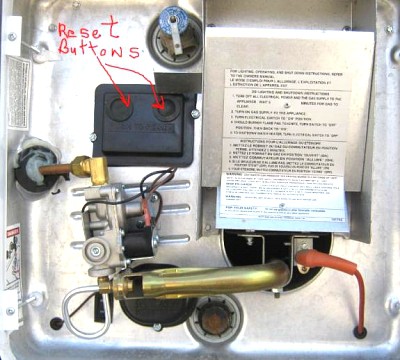
Locate the reset button, usually near the burner or control panel. Press and hold it for a few seconds. This can resolve minor electrical or ignition issues. If resetting doesn’t work, further inspection is needed.
Conclusion
Fixing an RV propane water heater can feel tough. Start by checking simple issues like propane supply and pilot light. Clean or replace parts as needed to keep water warm. Regular maintenance helps avoid future problems. Stay safe by following instructions carefully.
A working heater makes camping trips much better. Keep these tips in mind to enjoy hot water on the road. Don’t let a small problem spoil your adventure. Stay prepared and enjoy your travels.