Is your RV tankless water heater not getting hot enough? You rely on it for warm showers, washing dishes, and staying comfortable on the road.
When it fails to deliver the heat you need, it can quickly turn your trip into a frustrating experience. But don’t worry—you’re not alone, and there are simple ways to fix this problem. You’ll discover why your water heater might be underperforming and exactly what you can do to get it back to the perfect temperature.
Keep reading to make sure your next adventure is warm and hassle-free.
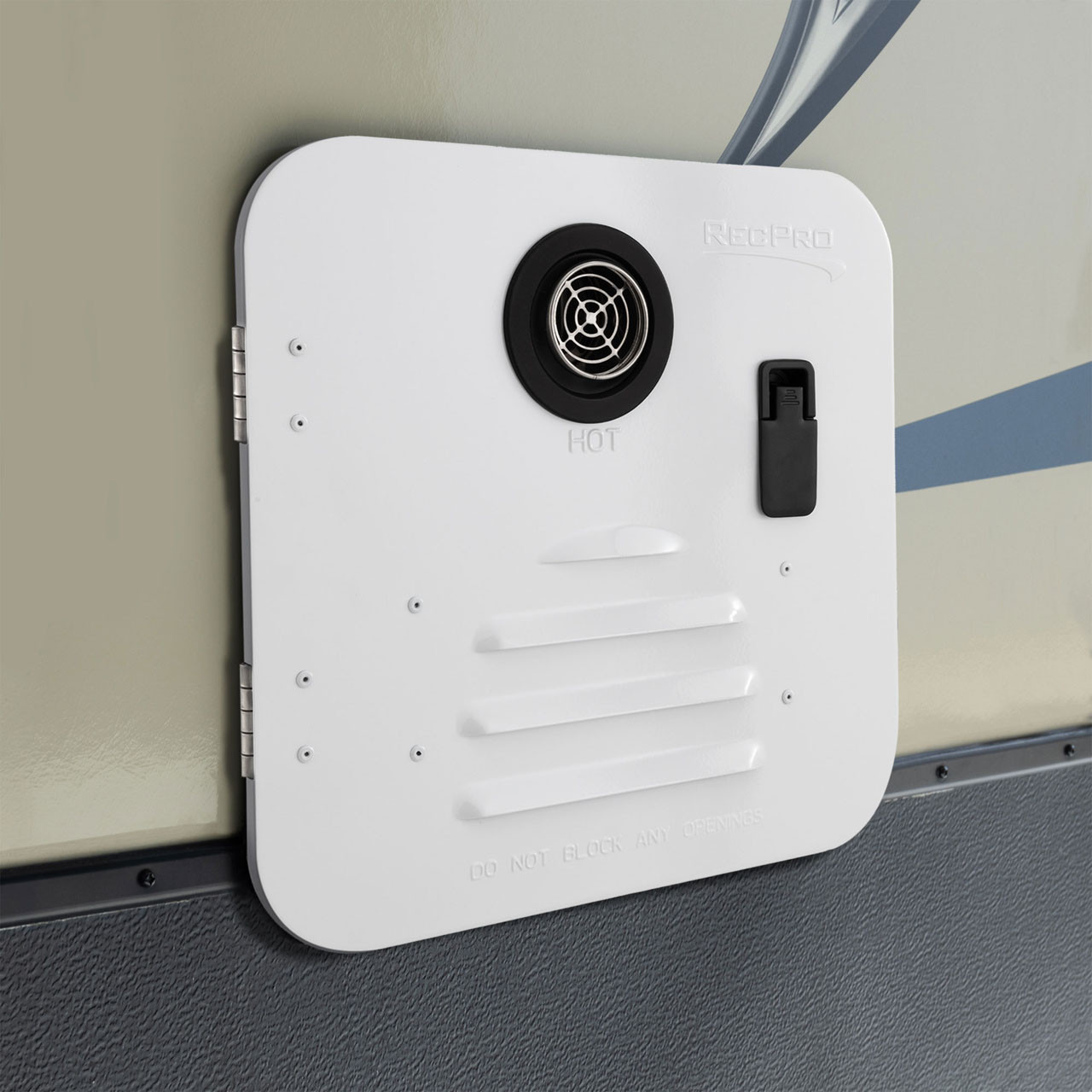
Credit: recpro.com
Common Causes Of Low Heat
When an RV tankless water heater does not get hot enough, several issues might be causing the problem. These common causes affect the heat output and overall performance. Identifying these problems can help you fix your heater faster. Here are the main reasons your water heater may produce low heat.
Insufficient Power Supply
A tankless water heater needs enough power to work correctly. If the power source is weak or unstable, the heater cannot reach the right temperature. Check your battery or electrical connections for any signs of damage or low voltage. A poor power supply reduces heating efficiency and can cause your water to stay cold.
Clogged Water Filters
Water filters catch dirt and debris before the water reaches the heater. Over time, these filters can clog and block water flow. When water flow is slow, the heater struggles to heat it properly. Clean or replace clogged filters to restore normal water flow and better heat output.
Incorrect Temperature Settings
Sometimes, the problem is as simple as wrong temperature settings. Many RV heaters have adjustable temperature controls. If the temperature is set too low, the water will not get hot enough. Check your heater’s settings and raise the temperature if needed to get warmer water.
Gas Supply Issues
For gas-powered tankless heaters, a steady gas supply is vital. Low gas pressure or leaks can reduce the heater’s ability to produce hot water. Inspect your gas lines and connections for any problems. Fixing gas supply issues ensures your water heater works at full power.
Troubleshooting Electrical Problems
Troubleshooting electrical problems is a key step when your RV tankless water heater does not get hot enough. Electrical issues can stop the heater from working properly. Checking the power supply and connections helps find the problem fast. Follow simple steps to ensure your water heater gets the electricity it needs.
Checking Battery And Power Connections
Start by checking your RV battery. A weak or dead battery can cause low power to the heater. Use a voltmeter to check the battery voltage. It should read around 12 volts. Clean battery terminals and tight connections help maintain good power flow. Look for loose or corroded wires. Fix or replace any damaged cables to restore proper power.
Inspecting Fuses And Circuit Breakers
Fuses and circuit breakers protect the electrical system. A blown fuse or tripped breaker stops the heater from receiving power. Find the fuse box or breaker panel in your RV. Check each fuse for signs of damage. Replace any blown fuses with the correct type. Reset any tripped circuit breakers. This simple check often solves heating problems fast.
Maintaining Water Flow
Maintaining good water flow is key to keeping your RV tankless water heater working well. Low water flow can cause the heater to not get hot enough. Water must move smoothly through the system for the heater to work efficiently.
Regular checks and cleaning help keep the water flow steady. This prevents problems like clogs or weak pressure. Take simple steps to ensure your water heater heats water properly every time.
Clearing Sediment Buildup
Sediment buildup blocks water flow in your heater. Tiny particles from water settle inside pipes and the heater. These blockages reduce heat transfer and water temperature.
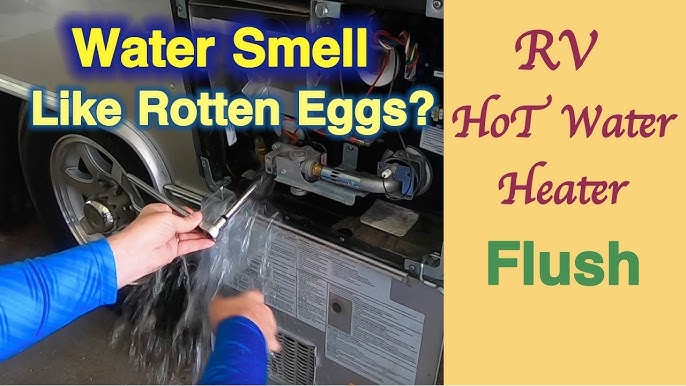
Flush the system regularly to remove sediments. Use a vinegar solution or a descaling product safe for your heater. This keeps pipes clean and water flowing freely.
Ensuring Proper Water Pressure
Water pressure affects how well your heater works. Too low pressure means less hot water and longer heat times. Check the pressure at your RV’s water inlet.
Use a pressure regulator to keep pressure steady. Fix leaks and replace old pipes to avoid drops in pressure. Good pressure helps your heater produce hot water quickly.
Credit: www.bishs.com
Adjusting Temperature Controls
Adjusting the temperature controls is a simple step to fix an RV tankless water heater that does not get hot enough. These controls let you set the water temperature to your comfort. Proper adjustment can improve the heater’s performance and provide warmer water.
Setting Optimal Temperature
Find the temperature dial or digital control on your water heater. Turn the dial slowly to increase the temperature. Set it between 120°F and 130°F for safe, hot water. Avoid setting it too high to prevent burns or damage. Check the water temperature after adjustment. Repeat if needed until the water feels warm enough.
Resetting The Heater
Sometimes, the heater needs a reset to work correctly. Locate the reset button on the unit. Press and hold it for a few seconds. This action clears minor errors and restores normal function. After resetting, test the water temperature again. Resetting can solve many heating problems quickly.
Gas Supply And Ventilation
The gas supply and ventilation affect the performance of your RV tankless water heater. Proper gas flow is essential for heating water efficiently. Poor ventilation can cause safety hazards and reduce heat output. Both must be checked regularly to keep the heater working well and safe to use.
Verifying Gas Line Integrity
Start by inspecting the gas line for leaks or damage. Look for cracks, kinks, or loose fittings. Use a soap solution to detect leaks; bubbles will form at leak points. Ensure the gas valve is fully open and the line pressure meets the heater’s requirements. A weak gas supply can cause low heat or no heat.
Checking Ventilation For Safety
Ventilation prevents dangerous gas buildup and improves heater efficiency. Clear any blockages in the vent pipes or exhaust outlets. Make sure vents are not covered by debris or snow. Check that air flows freely around the heater unit. Proper ventilation keeps the heater safe and operating at full power.

Credit: banemah.com
When To Seek Professional Help
Sometimes, your RV tankless water heater may not heat water properly. Simple fixes might work for small problems. Yet, some issues need expert care. Knowing when to call a professional saves time and prevents damage.
Identifying Complex Issues
Complex problems often cause poor water heating. Faulty wiring, gas supply issues, or internal parts failure need expert checks. If you notice strange noises or leaks, avoid DIY fixes. Persistent low water temperature also signals deeper problems. These require tools and skills beyond basic knowledge.
Finding Qualified Technicians
Choose technicians with experience in RV tankless water heaters. Certified experts understand common issues and safety rules. Look for technicians who offer clear estimates and guarantees. Reading reviews helps find trustworthy service providers. A skilled technician ensures your heater works safely and efficiently.
Preventive Maintenance Tips
Preventive maintenance is key to keeping your RV tankless water heater working well. Regular care stops small problems from turning into big ones. It helps your water heater deliver hot water consistently. Simple steps can extend the life of your unit. Follow these tips to avoid common heat issues.
Regular Cleaning Schedule
Clean your water heater regularly to remove dirt and scale. Mineral buildup can block water flow and reduce heat. Use a descaling solution made for tankless heaters. Run the cleaning process every six months or as needed. Keep the exterior free from dust and debris. This keeps your heater running smoothly.
Seasonal Inspections
Check your water heater before each season, especially before winter. Look for leaks, corrosion, or loose connections. Inspect the venting system to ensure proper airflow. Test the water temperature to catch issues early. Fix small problems right away to avoid costly repairs. Seasonal checks maintain safe and efficient operation.
Using Quality Water Filters
Install good water filters to protect your heater from minerals and dirt. Clean or replace filters often. Filters reduce scale buildup inside the heater. This helps the unit heat water better and last longer. Choose filters that match your RV’s water system. Clean water means better performance and fewer repairs.
Frequently Asked Questions
Why Is My Rv Tankless Water Heater Not Hot Enough?
Your RV tankless water heater may lack heat due to low gas pressure, clogged filters, or scale buildup. Check for gas supply issues and clean the unit regularly to ensure optimal performance and consistent hot water.
How Can I Increase Water Heater Temperature In My Rv?
Adjust the temperature setting on your RV tankless water heater control panel. Ensure proper gas flow and clean the water inlet filter. Regular maintenance helps maintain the desired water temperature efficiently.
What Causes Low Water Heater Output In Rvs?
Low output is often caused by sediment buildup, a faulty thermostat, or insufficient gas supply. Regular cleaning and inspection of gas lines and components can resolve these issues and improve heating performance.
How Do I Maintain My Rv Tankless Water Heater?
Flush the system periodically to remove scale and debris. Check gas connections for leaks and clean filters. Regular maintenance ensures efficient heating and prolongs the unit’s lifespan.
Conclusion
Fixing your RV tankless water heater improves comfort on the road. Check water flow, gas supply, and temperature settings first. Clean or replace clogged filters and vents to help heat better. Regular maintenance keeps your system working well longer. Small issues can cause big problems if ignored.
Stay patient and follow simple steps to get hot water. Enjoy warm showers anytime during your travels. Your RV trips become more pleasant and relaxing. Keep your heater in good shape for worry-free adventures.