Is your RV tankless water heater acting up just when you need it most? You rely on it for hot showers and daily comfort while on the road, so a sudden cold surprise can be frustrating.
But don’t worry—troubleshooting your RV tankless water heater doesn’t have to be complicated. In this guide, you’ll discover simple, step-by-step solutions to common problems that can get your hot water flowing again quickly. Keep reading, and you’ll learn how to fix issues yourself without calling for expensive repairs or waiting in discomfort.
Your next warm shower is closer than you think!
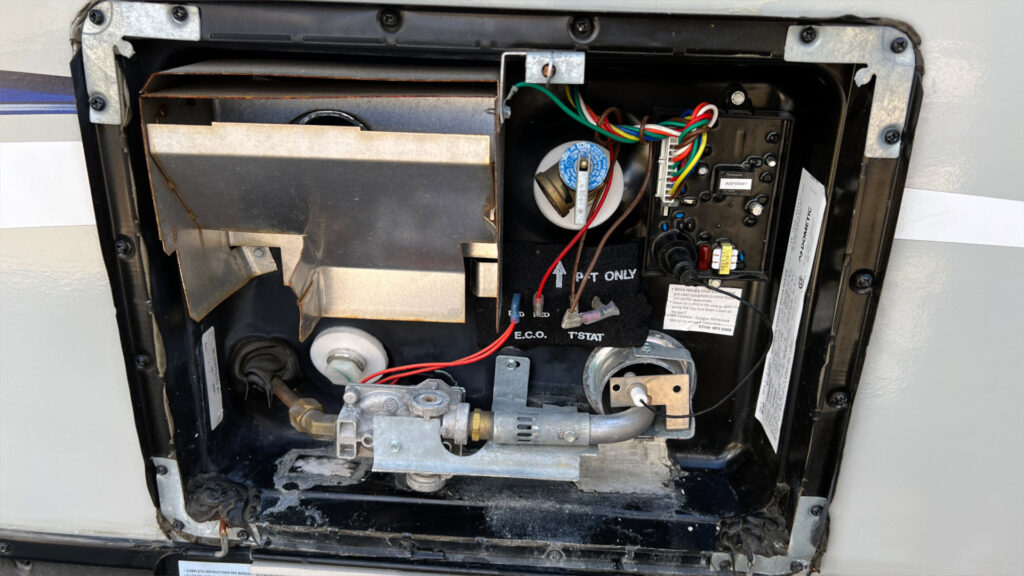
Credit: smcontinental.com
Common Issues With Rv Tankless Water Heaters
RV tankless water heaters offer endless hot water without bulky tanks. They save space and energy, perfect for travel. Still, these units face common issues that can disrupt your comfort. Understanding these problems helps you fix them fast.
Knowing the usual faults makes your troubleshooting easier. This section covers typical problems and simple checks for each one.
No Hot Water
Sometimes, the heater runs but no hot water flows out. This often means a gas or electric supply problem. Check if the pilot light is on or the power source works. Clogged filters can also block water flow.
Water Temperature Fluctuations
Water that suddenly gets cold or too hot is annoying. This happens if water flow is uneven or the thermostat is faulty. Dirt inside the unit can disturb temperature control. Adjust the settings or clean the system.
Low Water Pressure
Weak water flow reduces heater efficiency. Blockages in pipes or buildup inside the heater cause this. Check for kinks in hoses or dirty filters. Fixing these restores normal pressure.
Unit Shuts Off Unexpectedly
The heater may stop working without warning. Overheating or safety sensors might trigger shutdowns. Power interruptions also cause this. Inspect wiring and clear any debris around the unit.
Error Codes And Their Meanings
Most modern RV tankless heaters show error codes on a display. These codes tell you exactly what is wrong. Common codes point to gas supply issues, flame failure, or sensor faults. Use the manual to decode and address each error.
Credit: passgourmet.com.br
Quick Fixes For Frequent Problems
RV tankless water heaters may face common issues that affect their performance. Quick fixes often solve these problems without needing a professional. Simple steps can restore hot water fast. Regular care keeps the system running smoothly.
Resetting The Heater
Resetting the heater clears minor faults. Turn off the power supply first. Wait for a few minutes. Press the reset button on the unit. Power the heater back on. This simple step often fixes error codes.
Cleaning Or Replacing Filters
Dirty filters reduce water flow and heat. Locate the inlet filter in your heater. Remove it carefully and check for debris. Clean the filter under running water. Replace it if damaged or clogged. Regular cleaning keeps water clear and pressure steady.
Checking Gas Supply
Gas supply issues cause no heat or weak flame. Inspect gas lines for leaks or blockages. Make sure the gas valve is open fully. Confirm that the propane tank has enough gas. A steady gas flow is crucial for proper heating.
Inspecting Electrical Connections
Loose or damaged wires can stop the heater from working. Turn off all power before inspection. Check connections for corrosion or wear. Tighten any loose wires carefully. Replace frayed cables to avoid short circuits. Good electrical contact ensures the heater runs smoothly.
Flushing The System
Mineral build-up lowers heater efficiency. Flush the system regularly to remove scale. Use a descaling solution and follow the manual. Run clean water through the heater afterward. Flushing protects the unit and extends its life.
Preventive Maintenance Tips
Preventive maintenance keeps your RV tankless water heater working well. It stops problems before they start. Regular care saves money and hassle during trips. Follow these simple steps to protect your heater.
Regular Descaling
Minerals build up inside the heater. This slows down heating and can cause damage. Descaling removes these deposits. Use a vinegar solution or a descaling product made for tankless heaters. Do this every 6 to 12 months. It keeps water flowing and the heater efficient.
Winterizing The Heater
Cold weather can freeze water inside the heater. Frozen water can crack pipes and damage parts. Drain all water before winter. Use antifreeze made for RV systems. Run it through the heater to protect all internal parts. This step is key for cold climates.
Routine Inspections
Look at the heater often. Check for leaks, cracks, or rust. Listen for strange sounds when it runs. Make sure vents are clear. Catching small problems early prevents bigger repairs. Set a schedule to inspect the heater every few months.
Using The Right Water Pressure
Too much pressure harms the heater. It can cause leaks or damage internal parts. Check your RV’s water pressure with a gauge. Keep it within the recommended range, usually 40 to 60 psi. Use a pressure regulator if needed. This helps the heater last longer and run smoothly.

Credit: www.youtube.com
When To Call A Professional
Knowing when to call a professional for your RV tankless water heater saves time and prevents damage. Some problems need expert tools and skills. Trying to fix these issues alone can be risky. Safety and proper repair come first.
Persistent Error Codes
Error codes that keep appearing mean something serious might be wrong. Resetting the system does not clear the code. A professional can diagnose and fix the root cause. This avoids repeated problems and protects your heater.
Gas Leak Detection
Gas leaks are dangerous and need urgent help. If you smell gas or suspect a leak, stop using the heater. Only trained technicians can safely find and fix gas leaks. Avoid trying to repair gas lines yourself.
Complex Electrical Issues
Electrical problems can harm your RV and your safety. Flickering lights or no power may signal wiring faults. Professionals have the right tools and knowledge to handle electrical repairs. They ensure the heater works safely and correctly.
Major Component Replacement
Replacing big parts like the heat exchanger or control board needs skill. Incorrect installation can cause more damage or void warranties. A professional ensures the new parts fit and work as they should. This keeps your water heater reliable and efficient.
Frequently Asked Questions
How To Fix No Hot Water In Rv Tankless Heater?
Check if the propane supply is on and sufficient. Inspect the ignition system for sparks or blockages. Clean or replace clogged filters. Ensure water flow meets the minimum requirement. Reset the unit to clear error codes. Consult the manual for specific troubleshooting steps.
Why Is My Rv Tankless Water Heater Leaking?
Leaks often come from loose connections or damaged seals. Inspect all water and gas fittings carefully. Tighten fittings or replace faulty parts as needed. Check the pressure relief valve for malfunction. Regular maintenance helps prevent leaks and prolongs heater life.
How To Reset An Rv Tankless Water Heater?
Locate the reset button on the heater panel. Press and hold it for 5-10 seconds. Release and wait for the unit to restart. Resetting clears minor errors and restores normal function. Refer to the manual if the issue persists after reset.
What Causes Low Water Pressure In Rv Heaters?
Clogged filters or mineral buildup reduce water flow. Inspect and clean the inlet screen regularly. Check for kinked or frozen water lines. Ensure the water pump is working properly. Low pressure affects heating efficiency and should be addressed promptly.
Conclusion
Troubleshooting your RV tankless water heater can save time and money. Check for common issues like power, water flow, and error codes first. Simple fixes often restore hot water quickly. Regular maintenance helps avoid future problems. Keep your heater running smoothly on every trip.
Stay calm and follow steps carefully for best results. Small efforts keep your RV comfortable and ready to use. Your hot water solution is just a few checks away.