If you own an RV, you know how important it is to keep your water heater in top shape. But have you ever wondered about the anode socket size in your RV water heater?
Understanding this simple detail can save you time, money, and hassle when it’s time for maintenance or replacement. You’ll discover exactly what anode socket size means, why it matters, and how to find the right fit for your water heater.
Keep reading to make sure your RV’s hot water stays reliable wherever the road takes you.
Credit: www.nicos-shrimps.com
Rv Water Heater Basics
RV water heaters come in different types. The most common are tankless and tank models. Tankless heaters warm water instantly. Tank heaters store hot water inside a tank.
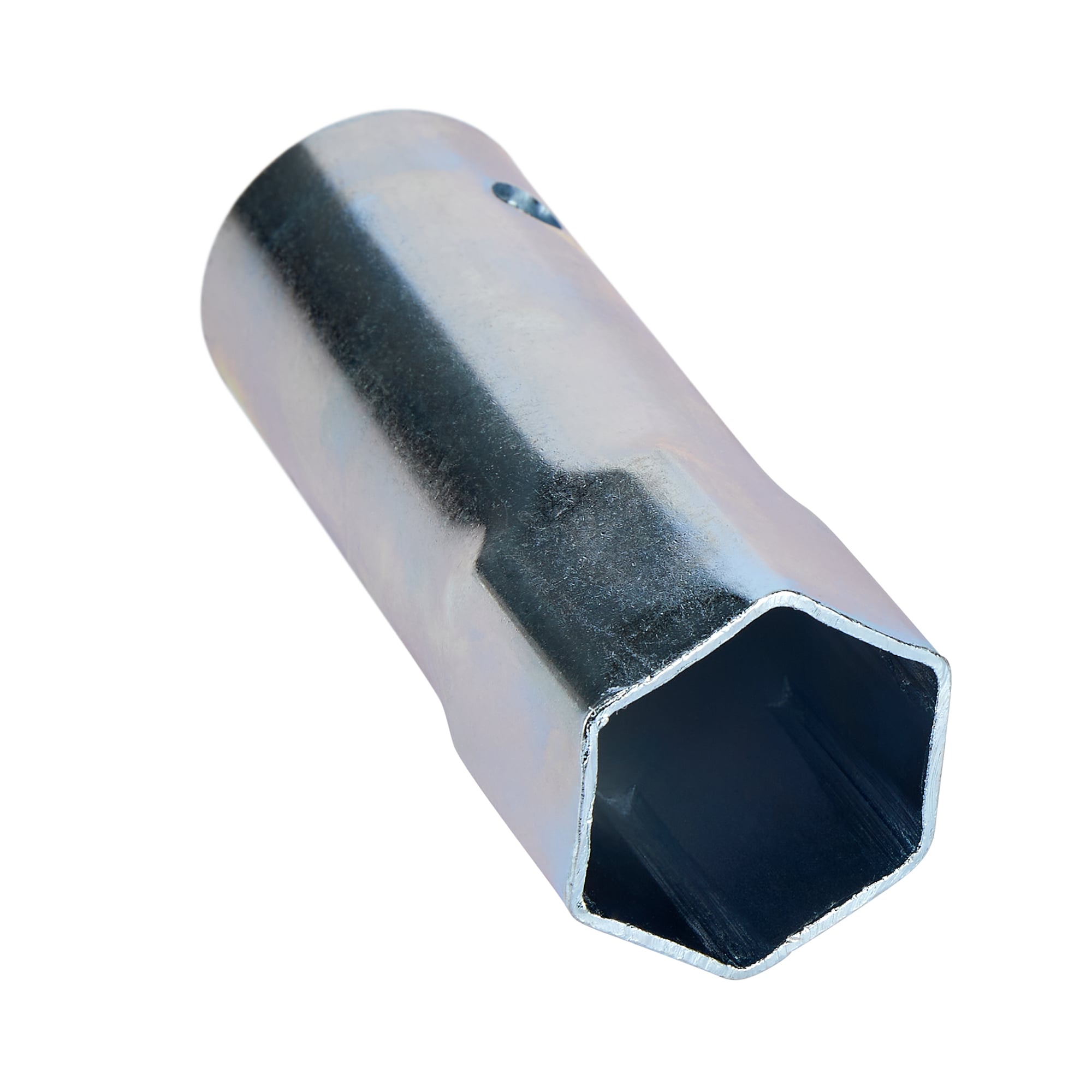
The anode socket is very important. It holds the anode rod inside the water heater. This rod protects the tank from rust and corrosion. Without it, the heater can get damaged fast.
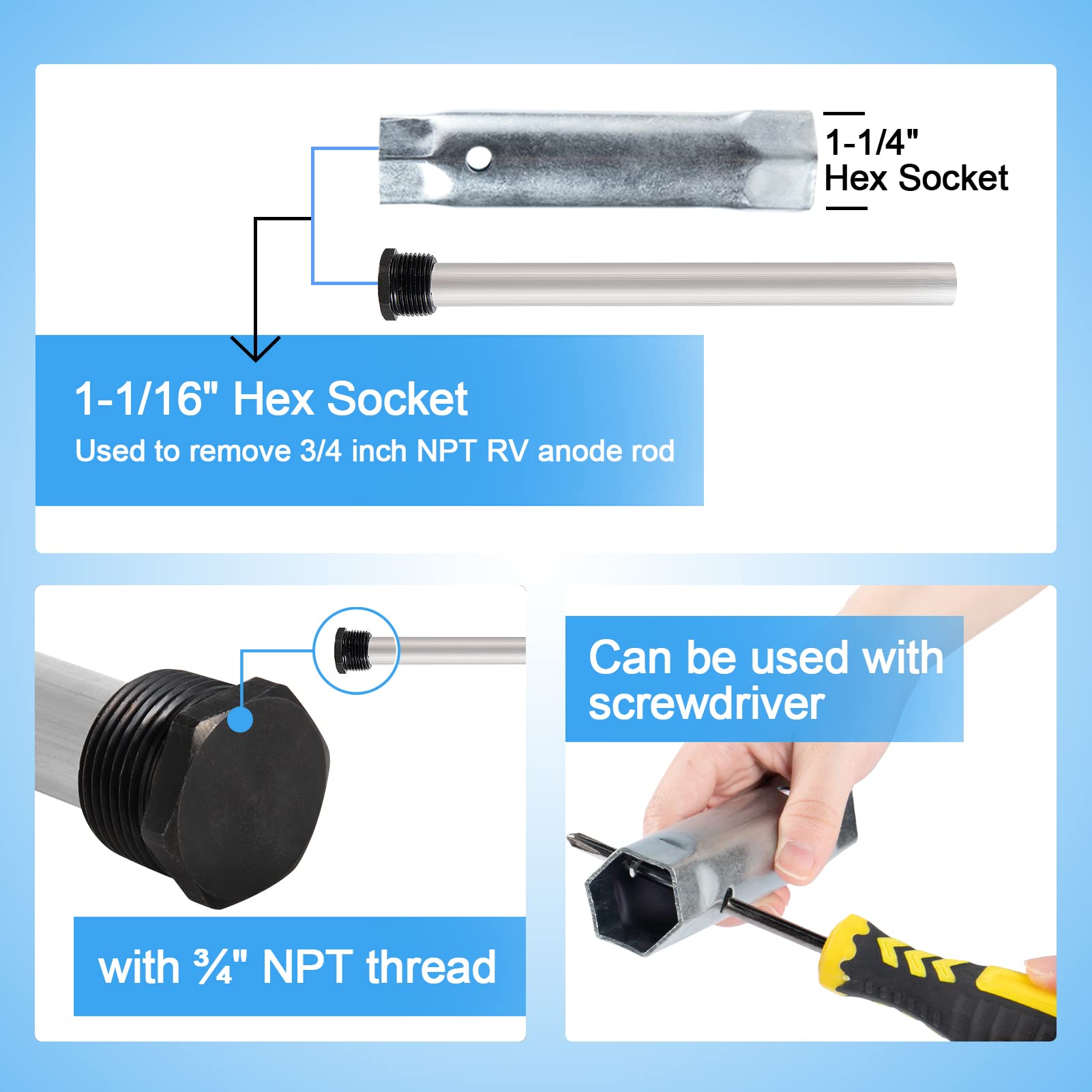
Most RV water heaters use anode sockets sized around 3/4 inch. Checking your heater’s socket size helps find the right anode rod. Using the correct size keeps the heater working well for many years.
Common Anode Socket Sizes
The anode socket size is important for replacing your RV water heater anode rod. Most common sizes are 3/4 inch and 1 inch. These sizes fit the threads inside the water heater tank.
To measure your socket, first turn off the water heater and let it cool. Use a ruler or caliper to check the diameter of the socket opening. Measure across the center from one side to the other.
Check the thread type too. Most RV water heaters use NPT threads (National Pipe Thread). Knowing the size and thread type helps you buy the right anode rod.
| Socket Size | Common Use | Thread Type |
|---|---|---|
| 3/4 inch | Most RV water heaters | NPT |
| 1 inch | Some larger tanks | NPT |
Signs You Need Replacement
Rust or discoloration near the anode socket shows corrosion. This means the anode rod may be wearing out. Check for white or greenish deposits around the socket area. These deposits form from minerals in water and indicate damage.
Water with bad smell or taste can signal water quality problems inside the heater. Sediment buildup causes poor water flow and heating issues. Cloudy water or tiny particles suggest the anode is failing and needs replacement.
Choosing The Right Anode Socket
The anode socket size must match the water heater’s design. Common sizes include 3/4 inch and 1 inch. Choosing the wrong size can cause leaks or poor fit. Measure the socket carefully before buying a replacement.
Material options usually include magnesium, aluminum, and zinc. Magnesium is best for soft water, while aluminum suits hard water. Zinc helps reduce odor in the water. Pick the material based on your water type and heater needs.
Check compatibility tips to ensure a good match. Some heaters need a specific anode type. Confirm the thread type and size match your heater. Using the wrong anode can cause corrosion or damage. Always consult the heater manual or a professional for advice.
Step-by-step Replacement Guide
Tools Required: A wrench, screwdriver, and a new anode socket. Also, gloves and safety glasses help protect you.
Safety Precautions: Turn off the water heater and disconnect power. Let the heater cool down. Always wear gloves to avoid burns.
Removing the Old Socket: Use a wrench to loosen the old anode socket. Turn it counterclockwise carefully. Remove it from the heater.
Installing the New Socket: Align the new socket properly. Screw it in clockwise. Tighten it with a wrench but don’t overtighten. Restore power and water supply.
Credit: salubrista.udea.edu.co
Maintenance Tips For Longevity
Check the anode socket size often for any signs of wear or damage. Small cracks or rust can cause leaks and reduce heater life. Use a wrench that fits properly to avoid stripping the socket.
Replace the anode rod if it looks worn out or less than half its original size. This rod protects the tank from rust and corrosion.
- Keep the area around the socket clean and dry.
- Use only the correct size anode rod for your water heater model.
- Tighten the rod securely but do not overtighten.
- Flush the tank yearly to remove sediment buildup.
- Check water pressure to avoid damage to the socket and heater.
Troubleshooting Common Issues
Leaks and drips from the anode socket often happen due to loose or worn parts. Check the socket size to make sure it fits the water heater correctly. A wrong size can cause water to escape. Tighten the socket gently but firmly to stop leaks. Using a thread seal tape around the socket threads helps create a watertight seal. Be careful not to overtighten, which can damage the socket or heater.
Socket fitting problems may arise if the anode rod is not the right length or thickness. This can cause poor connection and leaks. Always measure the socket diameter before buying replacement parts. Some sockets use a standard 1 1/8 inch size, but others differ. Check your heater manual or label to confirm.
Credit: www.corroprotec.com
Conclusion
Choosing the right RV water heater anode socket size matters a lot. It helps protect your heater from rust and damage. Using the correct size makes installation easier and avoids leaks. Always check your water heater’s manual before buying parts.
A good fit keeps your RV’s water system working well longer. Simple care can save you time and money later. Keep your RV comfortable and ready for every trip. Small details like this make a big difference.