Is your RV water heater bypass valve not working? This small part can cause big headaches, leaving you without hot water when you need it most.
If you’re tired of cold showers and frustrating repairs, you’re in the right place. You’ll discover why the bypass valve fails, how to spot the problem quickly, and easy steps to fix it yourself. Keep reading, and you’ll never have to worry about your RV’s hot water again.
Signs Of A Faulty Bypass Valve
Recognizing signs of a faulty RV water heater bypass valve helps avoid bigger problems. The valve controls water flow during winterization and regular use. A broken valve can cause water heater issues and damage your RV system. Watch for these key signs to spot trouble early.
Water Heater Not Heating Properly
The water heater may struggle to warm water or fail completely. A stuck bypass valve can stop water from reaching the heater tank. This results in cold showers and low water pressure. Notice if hot water is inconsistent or missing altogether.
Leaks Around The Valve
Leaks near the bypass valve indicate worn seals or cracks. Water dripping under the valve area can cause damage to nearby parts. Check for puddles or damp spots after using the water heater. Early leak detection prevents costly repairs later.
Unusual Noises During Operation
Strange sounds like banging or hissing may come from the valve area. These noises suggest the valve is not opening or closing properly. Air trapped in the system or water pressure issues cause these sounds. Listen closely during heating cycles for any odd noises.
Common Causes Of Valve Failure
The RV water heater bypass valve controls water flow in your system. When it stops working, hot water may not circulate properly. Several factors cause valve failure. Understanding these helps with quick fixes and avoids damage.
Wear And Tear Over Time
The valve parts move every time you use the heater. This constant motion causes parts to wear down. Rubber seals get brittle and crack. Springs lose tension. These changes make the valve leak or stick. Old valves need regular checks and replacement to work well.
Corrosion And Mineral Buildup
Water inside the valve contains minerals and chemicals. Over time, these can build up and block parts. Metal parts may rust or corrode from moisture. Buildup can stop the valve from opening or closing. Flushing the system and cleaning the valve helps prevent this problem.
Improper Installation
Installing the valve wrong causes many issues. If the valve faces the wrong way, it won’t work correctly. Loose connections cause leaks and damage. Using the wrong size valve affects water flow. Follow instructions and check the setup carefully to avoid these mistakes.
Tools Needed For Quick Repairs
Fixing an RV water heater bypass valve quickly requires the right tools. Having these tools ready saves time and avoids extra trips to the store. Preparation helps you fix the problem efficiently and safely.
Basic Plumbing Tools
Start with a pipe wrench to grip and turn pipes. Use adjustable wrenches for different sizes of fittings. A set of screwdrivers helps remove screws from valve covers. Pliers are useful for gripping small parts and tightening connections. A tubing cutter can cleanly cut pipes if needed. Keep a bucket handy to catch water spills during the repair.
Replacement Parts
Carry spare bypass valves made for your RV model. Have extra washers and O-rings to prevent leaks. Replacement hoses might be needed if the old ones crack. Keep pipe tape to seal threaded connections well. Having these parts ready avoids delays during repairs.
Safety Gear
Wear gloves to protect your hands from sharp edges and hot water. Safety glasses shield your eyes from splashes and debris. Use a flashlight if you work in low-light areas. Proper gear keeps you safe and comfortable while fixing the valve.

Credit: www.cepri.com.ar
Step-by-step Valve Repair
Fixing an RV water heater bypass valve can seem tough. Follow these clear steps to make the repair easy. This guide helps you replace the valve safely and correctly. Each step ensures your water heater works well again.
Shutting Off Water And Power
First, turn off the water supply to the heater. Next, switch off the power to avoid shocks. This step keeps you safe during the repair. Use the main water valve and the RV’s electrical panel.
Draining The Water Heater
Open the drain valve at the bottom of the heater. Let all water flow out to avoid spills. This step also reduces pressure inside the tank. Use a bucket or hose to guide the water safely.
Removing The Old Bypass Valve
Locate the old bypass valve on the water heater. Use a wrench to loosen and remove it carefully. Keep the area clean to avoid dirt entering the system. Check for any damage on nearby pipes.
Installing The New Valve
Place the new bypass valve in the same spot. Tighten it with a wrench, but do not overtighten. Ensure the valve fits snugly for a good seal. Double-check the valve orientation before securing it.
Testing For Leaks And Proper Function
Turn the water supply back on slowly. Watch the new valve area for any leaks. Switch on the power and check if the heater works. Open and close the valve to test proper operation.
Temporary Solutions To Keep Water Flowing
Sometimes, the RV water heater bypass valve stops working. This can stop the water flow and cause trouble during your trip. Temporary fixes help keep water flowing until you can repair or replace the valve. These quick solutions are easy to do and use simple tools.
Using A Manual Bypass
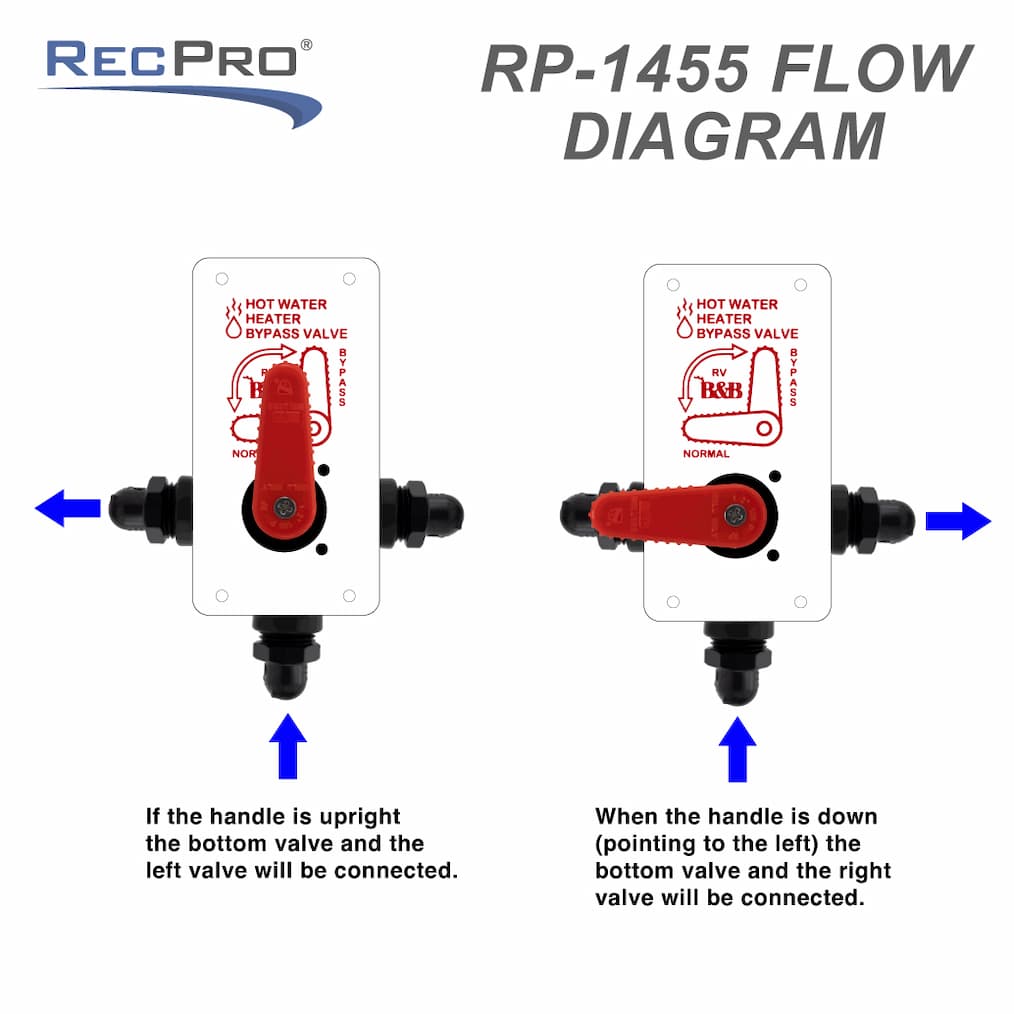
A manual bypass lets water flow around the faulty valve. You can use a ball valve or a simple pipe fitting. Turn off the water heater and drain the system first. Then, connect the manual bypass to the water lines. This helps water flow without passing through the broken valve.
Sealing Leaks Temporarily
Leaks around the bypass valve can reduce water pressure. Use plumber’s tape or waterproof sealant to stop leaks. Clean the area well before applying the seal. This prevents water from escaping and keeps pressure steady. Remember, this is only a short-term fix.
Bypassing The Valve With A Hose
Using a hose is a quick way to bypass the valve. Turn off the water supply and drain the heater. Remove the valve and connect a hose between the inlet and outlet pipes. Secure the hose with clamps to avoid leaks. This method keeps water flowing until the valve is fixed.

Credit: recpro.com
Preventive Maintenance Tips
Preventive maintenance helps keep your RV water heater bypass valve working well. Small checks and cleaning can stop big problems. Regular care saves time and money. It also makes your water heater last longer and work better.
Regular Valve Inspection
Check the bypass valve often. Look for cracks, leaks, or rust. Turn the valve to see if it moves smoothly. Tighten loose parts carefully. Fix or replace broken valves fast. This stops water leaks and heating issues.
Flushing The Water Heater
Flush the water heater every few months. This removes dirt and old water inside. Use clean water and a flushing kit. Flushing stops clogs and keeps hot water flowing. It also protects the valve from damage.
Avoiding Mineral Buildup
Minerals from water can block the valve. Use a water softener or filter. Clean the valve and pipes regularly. Avoid using hard water in your RV. This keeps the valve open and working well.
When To Call A Professional
Knowing when to call a professional for your RV water heater bypass valve saves time and avoids damage. Some problems need expert skills and tools. Ignoring these issues can lead to costly repairs or safety risks. Watch for signs that require professional help.
Complex Valve Issues
Some valve problems are too tricky for basic fixes. If the valve sticks or won’t turn at all, it may need special tools. Internal parts can break or wear out, needing expert repair. A professional can diagnose and fix these complex issues properly.
Persistent Leaks
Leaks around the bypass valve that don’t stop with simple tightening are a red flag. Water can damage your RV or cause mold. Professionals can find the leak source and replace faulty parts. Fixing leaks quickly keeps your RV safe and dry.
Safety Concerns
Water heaters work under pressure and heat. A malfunctioning valve can cause hot water to spray or damage the heater. Risk of burns or water damage is high. Professionals follow safety standards and use proper tools to fix problems safely.
Credit: agropyltd.com
Frequently Asked Questions
What Causes An Rv Water Heater Bypass Valve To Fail?
Common causes include wear and tear, debris buildup, corrosion, or improper installation. Regular maintenance prevents valve failure and extends its lifespan.
How Can I Fix A Stuck Rv Water Heater Bypass Valve?
Try lubricating the valve with silicone spray. If stuck, gently tap it to loosen. Replace the valve if it remains unresponsive.
Why Is My Rv Water Heater Not Heating Properly?
A faulty bypass valve may prevent water flow. Check the valve and connections for leaks or blockages to restore proper heating.
Can I Replace An Rv Water Heater Bypass Valve Myself?
Yes, with basic tools and knowledge. Ensure the water system is drained before replacement to avoid leaks and damage.
Conclusion
A faulty RV water heater bypass valve can cause many problems. Fixing it quickly keeps your water heater working well. Check the valve regularly for leaks or damage. Use the right tools and follow simple steps to repair it. This saves money and avoids bigger issues later.
Keep your RV water system in good shape for a smooth trip. Don’t let a small valve stop your comfort on the road. Stay safe and enjoy warm water anytime you need it.