If your RV water heater suddenly stops working, it can quickly turn a comfortable trip into a frustrating experience. Knowing where your RV water heater fuse is located can save you time and stress.
Imagine fixing the problem yourself in just minutes, without calling for help or waiting for repairs. You’ll discover exactly where to find that fuse and how to check it, so you can get your hot water back fast. Keep reading, and take control of your RV’s comfort today.
Credit: site-craft.net
Signs Of A Blown Water Heater Fuse
No Hot Water is the first sign of a blown water heater fuse. The water stays cold even after waiting long. This means the fuse might have stopped the heater from working.
Tripped Circuit Breaker can also show a problem. The breaker switch in your RV might flip off by itself. This happens to protect the system from damage.
Burning Smell near the water heater is a serious sign. It means the fuse or wires could be overheating. This smell should never be ignored and needs quick attention.
Common Fuse Locations In Rvs
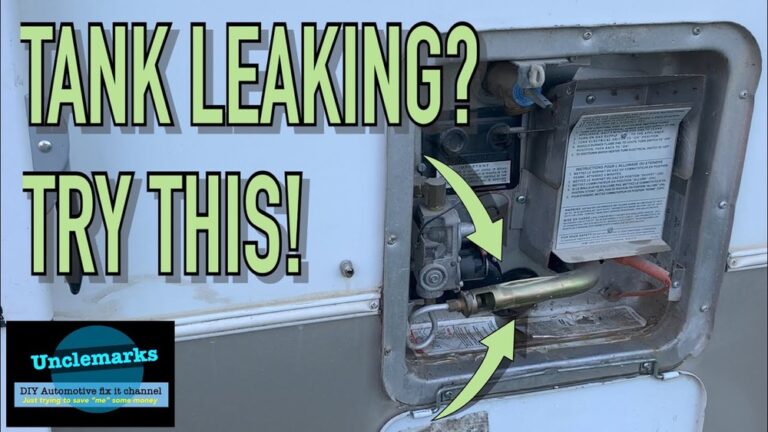
The water heater fuse in an RV is often found in three common spots. One place is near the water heater unit. This makes it easy to check or replace the fuse right by the heater. Another usual location is the electrical control panel. This panel holds many fuses and breakers for the RV’s systems. It is often inside a cabinet or near the main power source. The third spot is under the RV floor. This area may have a fuse box or holder. It keeps electrical parts safe and dry. Knowing these locations helps with quick fixes if the water heater stops working. Always check these places first when troubleshooting your RV heater fuse.
Tools Needed For Fuse Replacement
To replace the fuse in an RV water heater, a few tools are essential. A fuse puller or pliers helps safely remove the old fuse without damage. A multimeter checks if the fuse is blown by measuring electrical continuity. Having replacement fuses ready ensures a quick swap to restore power. Using the right tools keeps the process safe and easy.
Steps To Locate The Water Heater Fuse
Turn off the power supply before checking the water heater fuse. This step keeps you safe from electric shock. Find the main power switch or unplug the RV from the power source.
Next, check the owner’s manual. The manual usually shows where the fuse box is. It also tells you the exact location of the water heater fuse. This guide makes the search easier and faster.
Finally, inspect the fuse boxes. Most RVs have more than one fuse box. Look inside each box for a small fuse labeled “water heater” or something similar. The fuse may look like a small glass tube or a plastic piece. Use a fuse tester or visually check if it is blown.
How To Replace The Water Heater Fuse
First, locate the water heater fuse in your RV’s fuse box. Use a fuse puller or pliers to carefully remove the blown fuse. Be gentle to avoid damage.
Next, test the fuse with a multimeter or fuse tester. A good fuse shows continuity, meaning it works. A blown fuse will show no connection.
Finally, install a new fuse with the same rating as the old one. Push it firmly into the fuse holder. Double-check the fuse is secure before closing the fuse box.
Preventing Fuse Blows In Rv Water Heaters
Regular maintenance helps keep the RV water heater fuse safe. Check the fuse and wiring often for any damage. Clean any dirt or dust around the fuse box. Replace old or worn fuses with the right type and size. This stops sudden fuse blows and keeps the system working well.
Avoiding electrical overload is key. Do not use too many devices at once on the same circuit. High power use can make the fuse blow. Use only the water heater when other heavy devices are off. This keeps the fuse from burning out.
Proper usage tips include not running the water heater for too long. Turn it off after use to prevent overheating. Check the water temperature settings to avoid extra strain. Using the water heater as instructed helps protect the fuse and the whole system.
When To Call A Professional
Persistent fuse blows are a sign of deeper electrical problems. Replacing the fuse again and again is not a solution. A professional can check wiring and connections to find the root cause. This avoids damage to your RV’s water heater and other parts.
Electrical system issues can be tricky. Faulty wiring, bad switches, or damaged components may cause fuse problems. Experts have the right tools and knowledge to diagnose these safely. They prevent further risks by fixing the issue correctly.
Safety concerns are very important. Working with electricity can be dangerous without experience. A pro follows safety rules and uses proper gear to avoid accidents. Protect your RV and yourself by calling a qualified technician if unsure.

Credit: www.youtube.com
Credit: iihm.sg
Conclusion
Knowing the RV water heater fuse location saves time and stress. It helps fix problems fast and keeps your water warm. Check the fuse regularly to avoid surprises on the road. A small fix can prevent big issues later. Keep your RV ready for any trip by understanding this simple part.
Stay safe and enjoy your travels with a working water heater. Simple steps make your RV life easier and more comfortable.