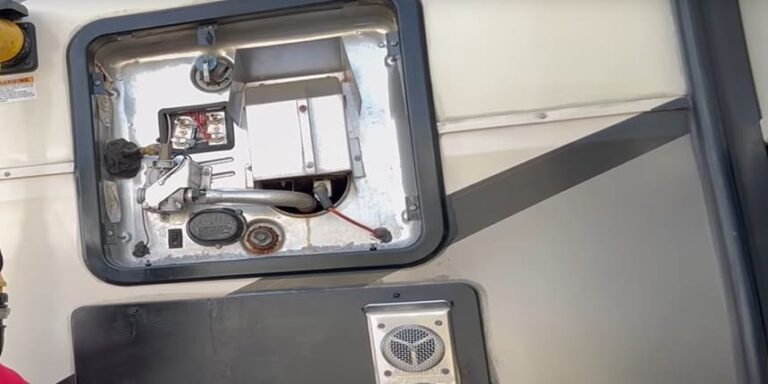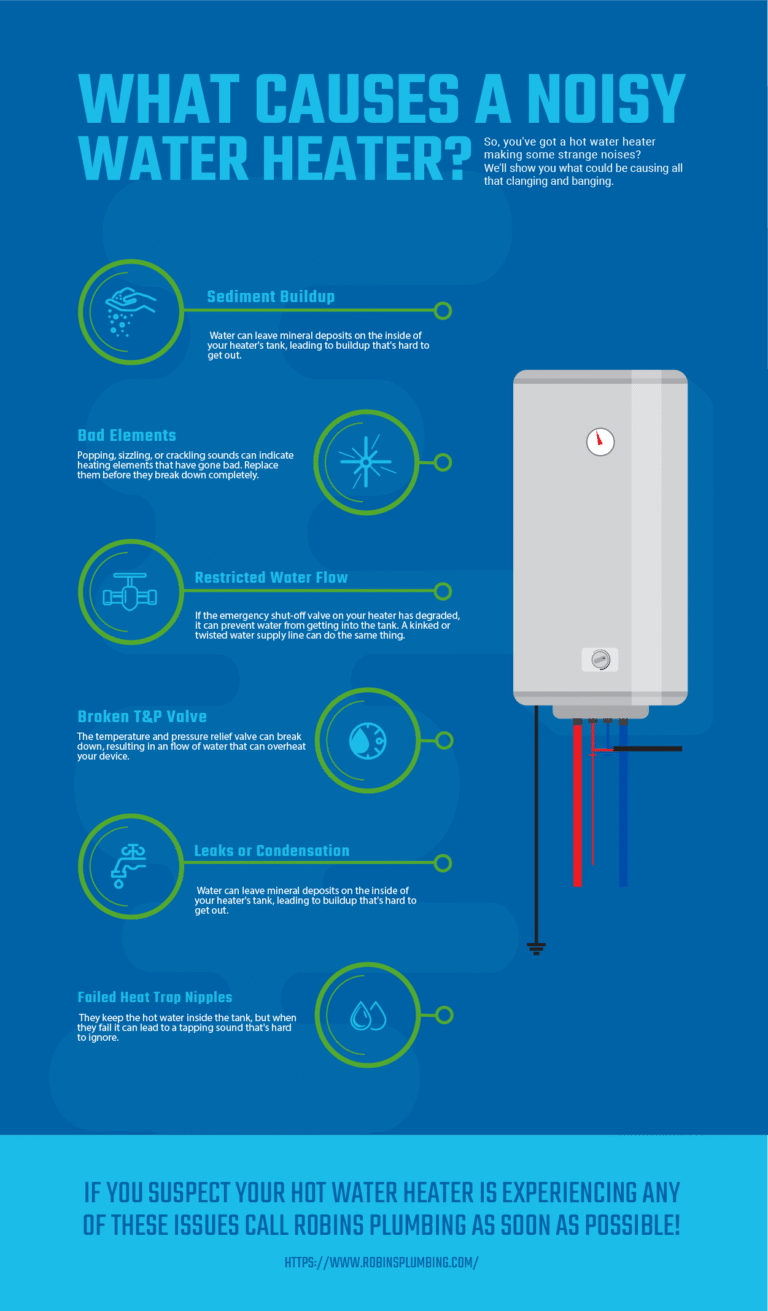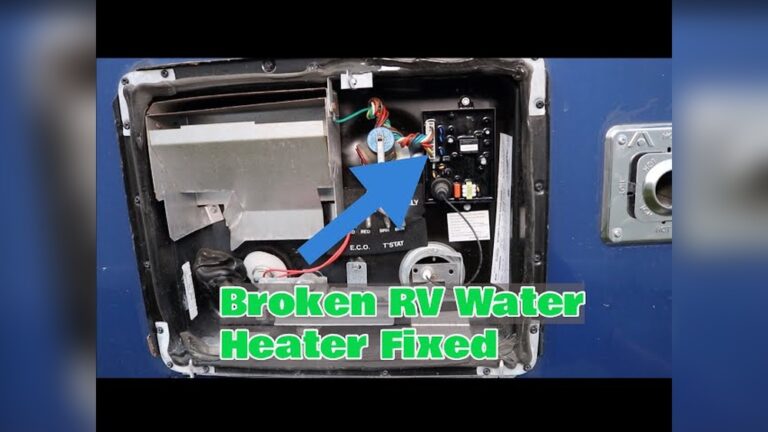
Is your RV water heater leaking outside? You might be wondering what’s causing it and if it’s something you can fix yourself.
A leaking water heater can quickly turn from a small drip into a big problem, affecting your comfort and your RV’s safety. You’ll discover the common reasons behind these leaks and simple steps you can take to stop them. Keep reading to protect your RV and enjoy worry-free travels.

Credit: www.youtube.com
Common Leak Sources
Leaks around an RV water heater can cause trouble fast. Knowing where leaks usually start helps you find and fix them quickly. Most leaks come from a few common spots on the water heater.
Inlet And Outlet Connections
The water heater has pipes for water coming in and going out. These connections can loosen over time. Loose or damaged seals let water escape. Check these connections for cracks or drips. Tightening or replacing the seals can stop leaks here.
Pressure Relief Valve
The pressure relief valve keeps the heater safe by releasing extra pressure. Sometimes it leaks if it gets stuck or old. Water may drip from the valve or pool below it. Cleaning or replacing this valve often stops the leak.
Drain Valve Issues
The drain valve helps empty the tank during maintenance. If it is not fully closed or damaged, water leaks out. Dirt or corrosion can prevent it from sealing properly. Check the valve for tightness and replace if needed to fix leaks.
Tools And Materials Needed
Fixing an RV water heater leaking outside requires the right tools and materials. Having these ready helps you work faster and safer. It also prevents damage to the water heater and your RV.
This section lists the essential tools and materials. Each item plays a key role in stopping leaks and ensuring a proper repair. Knowing what you need saves time and effort during the job.
Basic Plumbing Tools
Wrenches are vital to loosen and tighten connections. An adjustable wrench fits many sizes. Pipe cutters help to remove damaged pipes cleanly. Screwdrivers are needed to open panels and remove screws. A flashlight is useful for seeing in dark or tight spaces. Pliers can grip and twist parts firmly. A bucket catches any water that leaks during repair.
Sealants And Tapes
Plumber’s tape seals threaded pipe joints. It prevents water from escaping through small gaps. Silicone sealant fills cracks and holes around fittings. It creates a waterproof barrier. Pipe thread sealant paste is another option for tight seals. Choose products safe for potable water and heat. These materials stop leaks and keep connections strong.
Replacement Parts
Common parts that may need replacing include washers and gaskets. These seal joints and stop leaks. Valves sometimes wear out and must be changed. Check the water heater’s manual for exact parts. Buying the correct replacements ensures a good fit. Having spare parts ready speeds up the repair process.
Step-by-step Leak Repair
Fixing a leaking RV water heater outside needs care and clear steps. Follow this guide to find and stop the leak fast. Each step helps you save water and avoid damage.
Turning Off Water And Power
Start by shutting off the water supply. This stops water from flowing out and makes repair easier. Next, turn off the power to the heater. This keeps you safe from electric shock during work.
Inspecting And Tightening Connections
Check all pipes and fittings around the heater. Look for loose or worn parts that might leak. Use a wrench to gently tighten any loose connections. Tightening often stops small leaks quickly.
Replacing Faulty Valves
Valves control water flow and pressure in the heater. If a valve looks damaged or old, replace it. Remove the faulty valve carefully and install a new one of the same size. This step stops leaks caused by broken valves.
Sealing Small Cracks And Gaps
Look for tiny cracks on the heater’s surface or pipes. Use waterproof sealant or tape to cover these cracks. Make sure the seal is tight and smooth. This prevents water from escaping through small openings.
Preventing Future Leaks
Preventing leaks in your RV water heater protects your investment and keeps your travels smooth. Small leaks can cause big problems if ignored. Regular checks and care keep your water heater working well for years.
Regular Maintenance Tips
Check the water heater for signs of rust or corrosion. Tighten any loose connections carefully. Flush the tank periodically to remove sediment buildup. Clean the anode rod to prevent tank damage. Use a water pressure gauge to monitor pressure. Replace worn-out parts promptly to avoid leaks.
Winterizing Your Water Heater
Drain the water heater before cold weather arrives. Use RV antifreeze to protect pipes and the tank. Keep the heater and pipes insulated to stop freezing. Leave the drain valve open after draining. Follow the manufacturer’s winterizing instructions closely. Proper winter care prevents cracks and leaks.
Checking Pressure Levels
Install a pressure relief valve if your heater lacks one. Test the valve regularly to ensure it works. Monitor water pressure to keep it within safe limits. High pressure can cause leaks or burst pipes. Low pressure may reduce heater performance. Use a pressure gauge for accurate readings.
When To Call A Professional
Knowing when to call a professional for an RV water heater leaking outside is important. Small leaks can seem easy to fix. But some problems need expert help. This avoids bigger damage and safety risks.
Understanding the signs of major damage helps you decide. Some repairs require special tools and skills. Calling a professional saves time and money in the long run.
Signs Of Major Damage
Leaks that keep coming back show major damage. Rust or corrosion on the heater parts is a bad sign. Water pooling around the heater means a serious problem. Strange noises from the heater can signal internal issues. A strong smell of gas or burning requires urgent attention.
Complex Repairs Beyond Diy
Fixing broken pipes or valves needs special tools. Electrical parts inside the heater should be handled by experts. Gas leaks are dangerous and must be fixed by a professional. Replacing the water heater often requires experience and care. Professionals know how to test and secure the system correctly.

Credit: www.loveyourrv.com
Credit: www.forestriverforums.com
Frequently Asked Questions
Why Is My Rv Water Heater Leaking Outside?
Your RV water heater may leak outside due to a faulty pressure relief valve, loose connections, or a corroded tank. Inspect these parts to identify the source. Regular maintenance can prevent leaks and protect your RV’s water system.
Can A Leaking Rv Water Heater Cause Damage?
Yes, a leaking RV water heater can cause water damage to your RV’s exterior and interior. It may lead to mold, rust, or structural issues if not repaired promptly. Address leaks quickly to avoid costly repairs.
How Do I Fix An Rv Water Heater Leaking Outside?
To fix an outside leak, first turn off the water and power supply. Check the pressure relief valve, drain valve, and connections. Tighten or replace faulty parts. If unsure, consult a professional for safe and effective repairs.
What Maintenance Prevents Rv Water Heater Leaks?
Regularly inspect your water heater for rust, loose fittings, or damaged seals. Flush the tank annually to remove sediment buildup. Test the pressure relief valve to ensure it functions correctly. Proper maintenance extends your heater’s lifespan and prevents leaks.
Conclusion
A leaking RV water heater needs quick attention to avoid damage. Check seals, pipes, and the tank regularly for cracks or wear. Fix small leaks early to save time and money. Keep your water heater clean and maintained for best results.
Regular care helps your RV stay comfortable and safe on every trip. Don’t ignore leaks; act fast to keep water and heat flowing well. Simple steps can prevent bigger problems down the road. Stay prepared and enjoy your travels without worry.