Is your RV water heater not lighting up when you need it most? You’re not alone, and this problem can quickly turn a relaxing trip into a frustrating experience.
Imagine stepping into a cold shower after a long day on the road—that’s the last thing you want. But don’t worry, you can fix this. Understanding why your water heater won’t light is the first step to getting warm water flowing again.
Keep reading, and you’ll discover simple solutions that save you time, money, and hassle on your next adventure.
Common Causes Of Water Heater Ignition Issues
RV water heaters sometimes fail to light. This problem can stop hot water flow. Several common causes lead to ignition issues. Knowing these helps you fix the problem faster.
Faulty Thermocouple
The thermocouple senses the pilot flame and controls gas flow. If it breaks or gets dirty, it stops gas supply. Without gas, the burner cannot ignite. Replacing or cleaning the thermocouple often solves the issue.
Empty Propane Tank
The water heater runs on propane gas. An empty propane tank means no fuel for ignition. Check the tank gauge regularly. Refill the tank before it runs completely dry. This simple step prevents ignition failure.
Clogged Burner Orifice
The burner orifice delivers gas to the flame. Dirt or debris can block the orifice. A clogged orifice reduces or stops gas flow. Cleaning the orifice with a small brush or needle clears the path. This helps the burner light quickly.
Igniter Problems
The igniter creates a spark to light the gas. A weak or broken igniter stops the spark. Without a spark, the water heater won’t light. Testing and replacing the igniter restores the ignition process.

Credit: www.youtube.com
Safety Checks Before Troubleshooting
Safety must come first before fixing an RV water heater that won’t light. Checking for hazards protects you and others. It also stops damage to the RV. Follow simple safety checks before you start any repairs. These checks can save time and keep the problem from getting worse.
Gas Leak Detection
Gas leaks are dangerous and can cause fires or explosions. Smell for rotten eggs or sulfur near the heater. Use a gas leak detector spray on the gas lines and connections. Look for bubbles that show escaping gas. If you detect a leak, turn off the gas supply immediately. Do not try to light the heater until the leak is fixed.
Proper Ventilation
Good airflow is crucial for safe water heater operation. Make sure vents and exhaust pipes are clear. Blocked vents can cause carbon monoxide buildup inside the RV. Carbon monoxide is colorless, odorless, and deadly. Open windows or doors to improve air circulation before lighting the heater. Never run the heater in a closed space without ventilation.
Electrical Connections
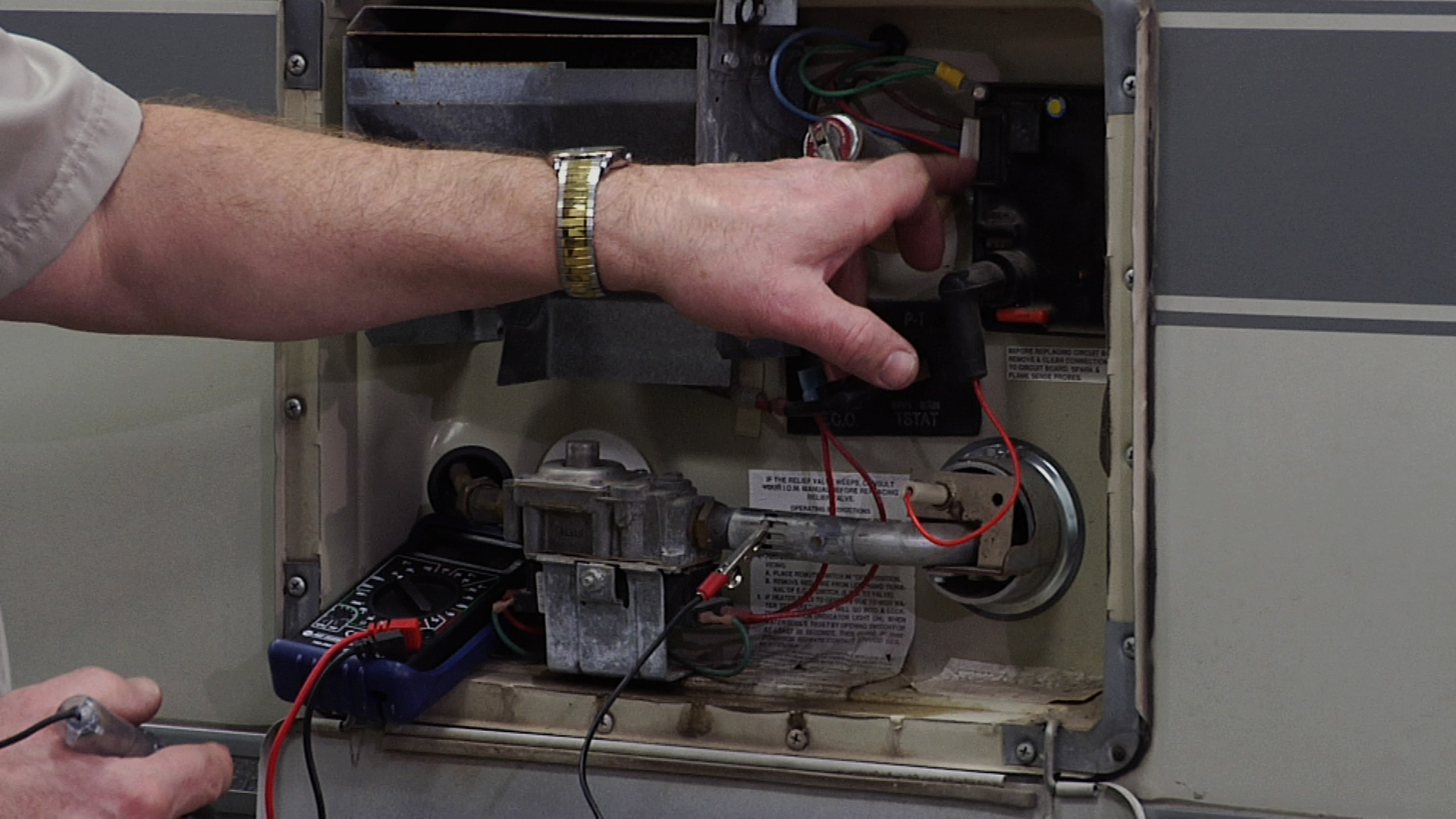
Check all electrical wires and connections linked to the water heater. Loose or damaged wires can stop the heater from lighting. Turn off power to avoid shocks. Look for frayed wires, corrosion, or burnt spots. Secure any loose connections. Replace damaged wires before trying to light the heater again. Proper electrical safety prevents accidents and helps the heater work correctly.
Step-by-step Quick Fixes
When your RV water heater does not light, quick fixes can help. These steps often solve common problems fast. Follow these simple actions to get warm water again. Each step focuses on a specific part of the heater.
Resetting The Water Heater
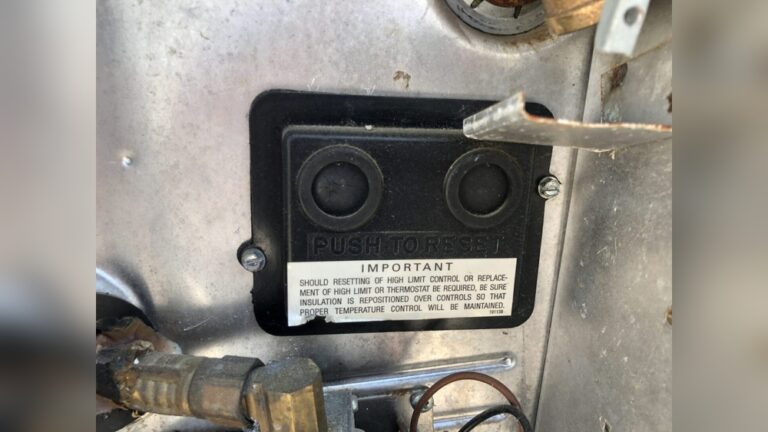
Start by turning off the water heater. Wait a few minutes to let it cool down. Find the reset button, usually red and near the thermostat. Press and hold the button for about 30 seconds. Release it and turn the heater back on. This can clear small errors and restart the system.
Cleaning The Burner
Turn off the gas supply before cleaning. Remove the burner cover carefully. Use a soft brush to clean dirt and debris. Check for spider webs or insect nests blocking the burner. Clean the area around the burner as well. This helps the flame light properly and burn evenly.
Replacing The Thermocouple
The thermocouple senses the flame and keeps gas flowing. If it is broken, the heater won’t light. Locate the thermocouple near the burner. Unscrew the old one and install a new part. Connect wires tightly to ensure proper function. This fix usually restores safe operation quickly.
Checking And Refilling Propane
Low propane can stop your water heater from lighting. Check the propane tank gauge to see the level. Refill the tank if it is empty or low. Inspect propane lines for leaks or damage. Replace faulty hoses to maintain a steady gas flow. Adequate propane is essential for your heater to work.
When To Call A Professional
Knowing when to call a professional for your RV water heater saves time and avoids damage. Some problems need expert skills and tools for safe repair. Recognizing these signs helps protect your RV and your safety.
Persistent Ignition Failures
If your water heater keeps failing to ignite, it could mean a deeper problem. Repeated attempts without success might damage the unit or waste fuel. A professional can identify and fix hidden ignition issues safely.
Complex Gas System Issues
Gas leaks or pressure problems require careful handling. These issues risk fire or poisoning if not fixed properly. Only trained technicians should work on the gas system to ensure safety and proper function.
Electrical Component Malfunctions
Faulty wiring or control boards can cause your heater to stop working. Electrical repairs need knowledge of RV systems and safety rules. Professionals have the right tools to diagnose and repair electrical faults correctly.
Maintenance Tips To Prevent Future Issues
Keeping your RV water heater working well needs regular care. Small checks and simple cleaning can stop many problems. This saves time and money later. Follow these easy steps to keep your water heater ready for every trip.
Regular Cleaning Schedule
Clean the water heater every few months. Remove dirt and buildup on the burner and pilot area. Use a soft brush to clear dust. This helps the heater light easily and work better. Check the vent to keep air flowing freely.
Inspecting Components
Look at all parts often. Check the pilot light, thermocouple, and gas valve. Make sure no wires are loose or broken. Replace parts that look old or worn. A quick inspection can catch problems early. This keeps the heater safe and reliable.
Proper Storage Practices
Store your RV in a dry place. Drain the water heater before long storage. This stops rust and damage inside the tank. Cover the heater to keep out dust and moisture. Good storage helps the heater last longer and work well every season.
Credit: www.kokido.com
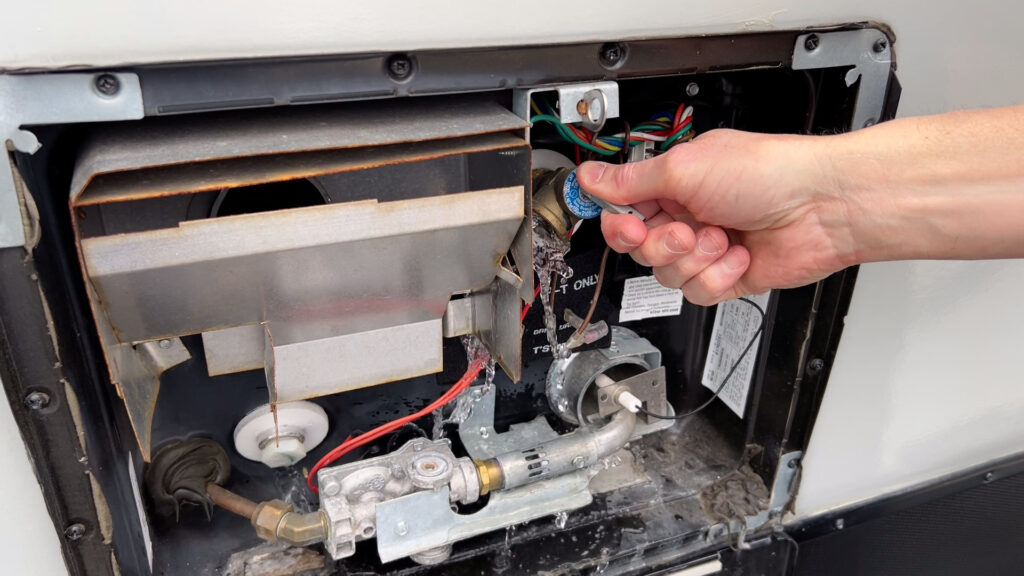
Credit: johnmarucci.com
Frequently Asked Questions
Why Is My Rv Water Heater Not Lighting?
Your RV water heater may not light due to a faulty thermostat, gas supply issues, or a clogged pilot tube. Check the gas valve, pilot light, and ignition system to identify the problem quickly.
How Do I Troubleshoot An Rv Water Heater Pilot Light?
First, ensure the gas supply is on. Clean the pilot tube and check for proper ignition. If the pilot light still won’t stay lit, inspect the thermocouple for damage or replace it if necessary.
Can A Dirty Burner Cause Rv Water Heater Failure?
Yes, dirt or debris can block the burner, preventing the water heater from lighting. Regular cleaning of the burner and pilot assembly helps maintain proper function and efficient heating.
What Safety Checks Are Needed Before Lighting The Water Heater?
Check for gas leaks, ensure proper ventilation, and verify the gas valve is open. Always follow manufacturer instructions and never light the heater if you smell gas.
Conclusion
Troubleshooting your RV water heater can save time and money. Check the fuel supply, pilot light, and safety switches first. Clean or replace parts if needed to keep it working well. Regular maintenance helps avoid future problems. Stay calm and follow each step carefully.
A working water heater makes your RV trips more comfortable. Keep these tips handy for quick fixes on the road.