Is your RV water heater not sparking when you need it most? It’s frustrating when you’re ready to enjoy a warm shower, but the heater just won’t ignite.
You might feel stuck, unsure of what to check or how to fix it. Don’t worry—this problem is more common than you think, and there are simple steps you can take to get your water heater working again. Keep reading, and you’ll learn exactly what to look for and how to bring the spark back to your RV’s water heater.
Common Causes Of No Spark
One common problem with RV water heaters is no spark. Without a spark, the heater cannot light. This issue stops hot water flow and causes inconvenience. Understanding the causes helps in quick fixes and saves time.
Several factors can stop the spark from working. Most problems come from power, parts, or wiring. Checking these areas often reveals the root cause.
Power Supply Issues
Power supply problems often cause no spark. The battery might be low or dead. Loose connections can stop electricity flow. A blown fuse or tripped breaker can also cut power. Always check power first to rule out simple fixes.
Faulty Igniter
The igniter creates the spark needed to light the heater. If it is broken or worn out, no spark appears. Dirt or corrosion on the igniter can block the spark too. Testing or replacing the igniter often solves the problem.
Wiring Problems
Wiring issues prevent power from reaching the igniter. Broken or frayed wires stop the electric current. Poor connections or loose wires cause spark failure. Regular inspection of wiring helps find damage early.
Control Board Malfunctions
The control board manages the spark and ignition process. A faulty control board may fail to send spark signals. Damage from moisture or wear can cause malfunctions. Replacing the control board may be necessary to fix no spark issues.

Credit: www.youtube.com
Safety Precautions
Safety is the top priority when dealing with an RV water heater that is not sparking. Taking the right precautions protects you from accidents and damage. Always follow safe steps before attempting any repairs or checks.
Turn Off Power And Gas
Always switch off the power supply to the water heater. This prevents electric shocks while working on the unit. Next, turn off the gas valve to stop gas flow. This avoids gas leaks or explosions during inspection or repair.
Ventilation Importance
Work in a well-ventilated area to avoid gas buildup. Proper air circulation reduces the risk of inhaling harmful fumes. Open windows or doors to let fresh air in. Never work in a closed space when gas is involved.
Use Proper Tools
Use the correct tools designed for water heater repairs. This prevents damage to parts and ensures your safety. Avoid makeshift tools that can slip or break. Proper tools help you complete the job smoothly and safely.
Checking The Power Source
Checking the power source is the first step to fix an RV water heater that is not sparking. The heater needs electricity to create the spark that lights the burner. Without a good power supply, the water heater will not work. Start by examining the main parts that deliver power to the heater. This will help find any simple problems before moving on to more complex fixes.
Inspecting The Battery
The battery provides the power needed to spark the water heater. Check the battery charge with a voltmeter. A low or dead battery cannot power the ignition system. Look for corrosion or loose cables on the battery terminals. Clean any dirt or rust and tighten the connections. Replace the battery if it shows signs of damage or cannot hold a charge.
Testing The Fuse
The fuse protects the heater’s electrical system. A blown fuse stops power from reaching the igniter. Find the fuse box near the water heater or control panel. Remove the fuse and check it visually or with a multimeter. Replace any fuse that is broken or burned out. Use the correct type and rating to avoid damage.
Verifying Connections
Loose or damaged wires can block power flow to the heater. Inspect all wiring between the battery, fuse, and water heater. Look for frayed, broken, or disconnected wires. Make sure all connectors are tight and clean. Repair or replace damaged wires to restore proper electrical contact.
Testing And Replacing The Igniter
Testing and replacing the igniter in an RV water heater solves many sparking issues. The igniter is the part that creates the spark to light the burner. If the igniter fails, the water heater will not start. Testing the igniter helps find out if it works or needs replacement. Replacing a faulty igniter is easy and saves costly repairs.
How To Test The Igniter
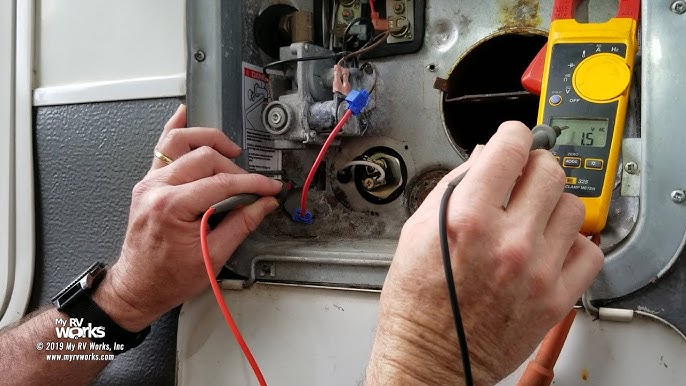
First, turn off the water heater and disconnect power. Use a multimeter to check the igniter’s electrical resistance. Place the probes on the igniter terminals. A good igniter usually shows low resistance. If the meter reads very high or infinite resistance, the igniter is faulty. Also, listen for a clicking sound when trying to light the heater. No click means the igniter might be dead.
Removing The Igniter
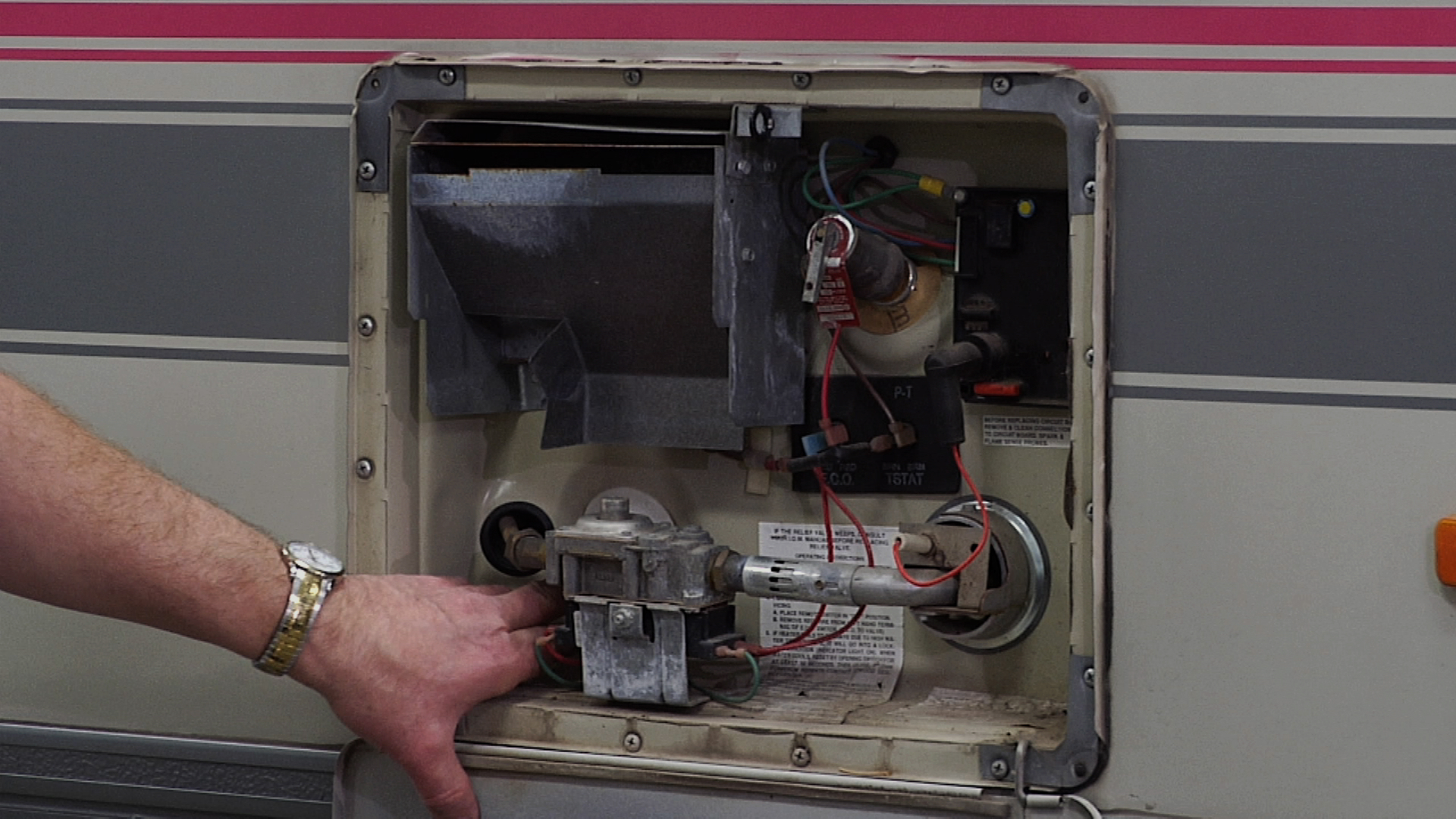
Start by turning off the gas supply to the water heater. Remove the access panel to reach the igniter. Carefully disconnect the wires attached to the igniter. Unscrew the mounting screws holding the igniter in place. Gently pull out the igniter without damaging the nearby parts. Keep the screws and wires safe for installing the new igniter.
Installing A New Igniter
Position the new igniter in the same spot as the old one. Secure it with the mounting screws. Reconnect the wires exactly as they were before. Replace the access panel and turn on the gas supply. Restore power to the water heater. Test the new igniter by turning on the heater. It should spark and light the burner smoothly.
Inspecting And Repairing Wiring
Checking the wiring of your RV water heater is a key step in fixing sparking issues. Wires carry electricity to the heater’s spark igniter. Damaged or loose wires stop the spark from working. Careful inspection helps find problems fast. Repairing wiring improves safety and heater function.
Identifying Damaged Wires
Look for wires with cracks, burns, or worn insulation. Damaged wires can cause shorts or no spark at all. Check the wires along their entire length. Pay close attention near connectors and bends. Use a flashlight to spot hidden damage. Replace any wire that looks frayed or broken.
Fixing Loose Connections
Loose wiring connections stop electricity flow. Gently tug on each wire at the terminals. If a wire moves, it needs tightening. Use a screwdriver to secure screws holding wires. Make sure wires fit snugly under connectors. Tight connections ensure steady power to the igniter.
Replacing Faulty Wiring
Old or faulty wiring must be replaced for safety. Use wire that matches the heater’s original size and type. Cut damaged wires out completely. Strip the ends carefully before attaching new wires. Connect wires using proper terminals or connectors. Test the heater after replacing wires to confirm the spark works.
Resetting Or Replacing The Control Board
The control board plays a key role in your RV water heater’s ignition process. It sends the spark to light the burner. If the water heater is not sparking, the control board might need a reset or replacement. Fixing this part can restore your heater’s function quickly.
Resetting or replacing the control board can often solve spark issues. It is a simple step that saves time and money. Knowing how to reset and recognize board failure helps you avoid bigger problems.
How To Reset The Control Board
First, turn off the power to the water heater. Wait for about 30 seconds to allow the board to reset. Then, turn the power back on. This can clear minor faults and restore spark function. If the heater still does not spark, a deeper issue may exist.
Signs Of Control Board Failure
Look for no spark or weak spark during ignition. The water heater might not light at all. Frequent need to reset the board is another warning. Burning smells or visible damage on the board are serious signs. These indicate the control board may need replacement.
Replacing The Control Board
Start by disconnecting power to avoid shocks. Remove the panel covering the control board. Carefully take out the faulty board and note its connections. Install the new board by attaching wires in the same order. Secure the panel and restore power to test the heater. A new control board should fix sparking problems.
Preventive Maintenance Tips
Preventive maintenance is key to keeping your RV water heater working well. Small steps taken regularly help avoid big problems. You save time, money, and stress by caring for your water heater before it breaks.
Simple checks and cleaning keep parts in good shape. Proper storage protects the heater from damage during off-seasons. These habits extend the life of your appliance and ensure it sparks correctly every time.
Regular Cleaning
Clean the burner area to remove dust and debris. Dirt can block the spark from lighting the flame. Use a soft brush or cloth to wipe the surface gently. Keep the ignition parts free of rust and buildup for best performance.
Routine Inspections
Check the wiring and connections for wear or loose ends. Tighten screws and replace damaged parts as needed. Look for signs of corrosion or water leaks around the heater. Early detection helps fix issues before they stop the spark.
Proper Storage Practices
Drain the water heater before storing your RV for long periods. Moisture can cause rust and damage the ignition system. Store the RV in a dry, sheltered place to avoid harsh weather effects. Cover the heater’s components to keep dirt away.
Credit: www.rvrepairclub.com
:max_bytes(150000):strip_icc()/reasons-gas-water-heater-not-working-5212987-hero-fe6b82a59053421c88b7d13ea311d3c5.jpg)
Credit: reinigungkrefeld.de
Frequently Asked Questions
Why Is My Rv Water Heater Not Sparking?
Your RV water heater may not spark due to dirty electrodes, faulty igniter, or a weak battery. Check these parts first to ensure proper ignition.
How Do I Fix A Non-sparking Rv Water Heater?
Clean or replace the electrode, check the igniter switch, and ensure your battery is fully charged. This often resolves sparking issues.
Can A Weak Battery Cause No Spark In Rv Water Heater?
Yes, a weak or dead battery can prevent the igniter from sparking. Always verify battery health before troubleshooting other components.
Is Electrode Corrosion Causing Rv Water Heater Sparking Failure?
Corroded or dirty electrodes can block the spark. Cleaning or replacing them usually restores proper ignition function quickly.
Conclusion
Fixing an RV water heater that won’t spark takes patience and care. Check the battery, connections, and spark igniter first. Clean any dirt or corrosion that blocks the spark. Sometimes, a small part needs replacement. Safety matters—always turn off power before working.
With these steps, you can enjoy warm water again. Don’t let a small issue spoil your trip. Keep your heater ready and enjoy every RV adventure.