Have you ever turned on your RV water heater and noticed a strange smell like burning plastic? It’s not just unpleasant—it could be a warning sign that something’s wrong.
Your safety and comfort depend on a properly working water heater, so ignoring this smell isn’t an option. You’ll learn why that burning plastic odor happens, what risks it might bring, and how you can fix it quickly. Keep reading to protect your RV and enjoy worry-free travels.
Common Causes Of Burning Plastic Smell
Noticing a burning plastic smell from your RV water heater can be alarming. This odor usually means something is wrong inside the unit. Understanding the common causes helps you spot the problem early. It also helps you take the right steps to fix it safely.
Electrical Issues
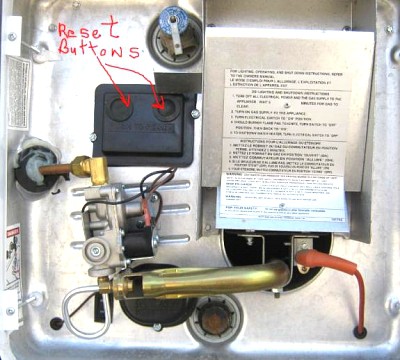
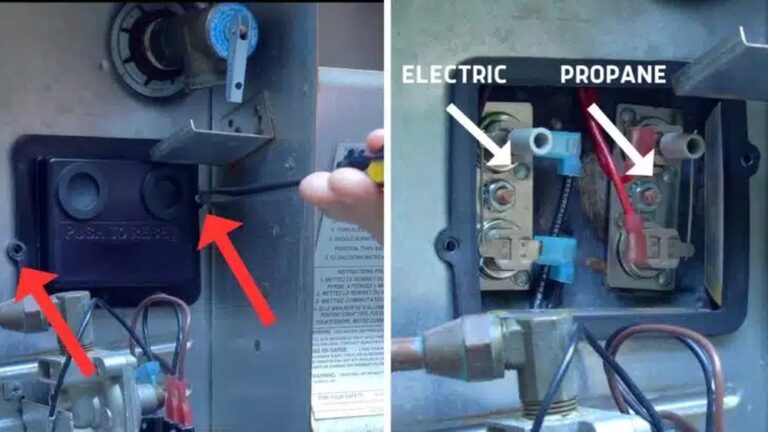
Electrical problems often cause a burning plastic smell. Loose or damaged wires can create sparks. These sparks may melt plastic parts nearby. Faulty connections can also overheat and emit a strong odor. Regular checks of the wiring keep your water heater safe.
Overheating Components
Some parts inside the water heater may get too hot. Overheating can happen if the thermostat fails. When parts overheat, plastic covers or insulation might melt. This melting releases the burning plastic smell. Keeping components clean helps avoid overheating problems.
Plastic Parts Near Heat Source
Sometimes plastic parts sit too close to hot areas. Heat from the burner or heating element can melt these plastics. This causes the burning smell you notice. Make sure plastic pieces are away from heat sources. Proper placement reduces the risk of melting.
Credit: www.cwservicepros.com
Identifying The Source Of The Smell
Noticing a burning plastic smell near your RV water heater can be alarming. Identifying the source of this smell is crucial for safety and to prevent damage. This section guides you through simple steps to find where the odor comes from.
Inspecting The Water Heater
Start by looking closely at the water heater unit. Check for any visible damage or melted parts. Smell around the heater to see if the odor is strongest there. A burning smell might mean the heating element is overheating or malfunctioning.
Checking Wiring And Connections
Next, examine all wires connected to the water heater. Look for melted insulation or burnt marks. Loose or damaged wires can cause short circuits and produce a plastic burning smell. Make sure all connections are tight and secure.
Examining Surrounding Materials
Look around the water heater for plastic or other materials that might be close to hot parts. Sometimes, plastic items or insulation can touch hot surfaces and start to melt. Remove any objects that should not be near the heater to stop the smell from returning.
Safety Precautions To Take
Noticing a burning plastic smell from your RV water heater is a serious warning. Taking safety steps quickly can protect you from harm and prevent damage. Follow these key precautions immediately to stay safe and avoid bigger problems.
Turning Off Power And Gas
First, switch off the water heater’s power source. Unplug it or turn off the circuit breaker. Next, shut off the gas supply valve. This stops fuel flow and lowers fire risk. Never try to fix the heater with power or gas on. Safety comes first.
Ventilating The Area
Open windows and doors around the RV. Let fresh air circulate to clear out fumes. Burning plastic smells can release harmful gases. Ventilation reduces breathing risks and improves air quality. Stay away from the heater while airing out the space.
Avoiding Use Until Resolved
Do not use the water heater until the problem is fixed. Continued use could cause fire or toxic smoke. Call a professional to inspect and repair the unit. Keep your family and pets safe by waiting for expert help.

Credit: www.climatedesign.com
Steps To Fix The Issue
Fixing the burning plastic smell from your RV water heater is important for safety and comfort. This section guides you through clear steps to solve the issue. Follow these easy methods to keep your heater safe and working well.
Cleaning And Maintenance Tips
Start by turning off the water heater and unplugging it. Check for dirt or debris around the heater and clean it gently. Remove any dust from the heating element using a soft cloth. Flush the tank with fresh water to clear out sediment. Regular cleaning helps prevent overheating and odors. Clean the vent and exhaust to ensure proper airflow. This reduces the chance of burning smells.
Replacing Damaged Components
Look for melted wires or burnt plastic parts near the heater. These parts cause the burning smell and must be replaced quickly. Inspect the heating element for signs of damage. Replace any cracked or worn gaskets. Use parts made for your specific RV water heater model. Faulty electrical connections also cause burning odors. Tighten or replace loose wires to avoid risks.
When To Call A Professional
Call a professional if the smell continues after cleaning and repairs. Electrical issues inside the heater can be dangerous without expert help. A technician can safely test the wiring and components. Complex problems need special tools and knowledge. Do not ignore strong burning smells; they may signal fire hazards. Professional help ensures your heater works safely and lasts longer.
Preventing Future Smells
Preventing the burning plastic smell in your RV water heater is important. This smell often signals a problem that can get worse. Taking simple steps can keep your water heater safe and odor-free. Regular care and attention make a big difference.
Regular Inspections
Check your water heater often. Look for signs of damage or wear. Inspect wires and connections carefully. Early detection can stop problems from growing. Schedule inspections before each trip. This habit helps keep your heater working well.
Proper Installation Practices
Install your water heater following the instructions strictly. Use the right tools to avoid damage. Ensure all parts fit correctly and securely. Poor installation can cause overheating and smells. Ask a professional if you are unsure.
Using Compatible Parts
Always choose parts made for your water heater model. Using wrong parts can lead to malfunctions. Check the manufacturer’s recommendations before buying. Compatible parts help your heater run smoothly and safely. Avoid cheap or generic replacements.

Credit: iwae.com
Conclusion
A burning plastic smell from your RV water heater signals a problem. Check the heater and wiring for damage right away. Avoid using the heater until you fix the issue. Regular maintenance helps prevent these smells and keeps you safe.
Stay alert to unusual odors or sounds. Taking quick action protects your RV and your health. Stay safe and enjoy your travels without worry.