Have you noticed a strange sulfur smell coming from your RV water heater? That rotten egg odor can be more than just annoying—it might signal a problem that needs your attention.
If you want to enjoy fresh, clean water without the unpleasant stench, understanding why your RV water heater smells like sulfur is key. Keep reading to discover the simple fixes and expert tips that will help you get rid of that smell for good.
Your comfort and peace of mind depend on it.

Credit: www.youtube.com
Causes Of Sulfur Smell
The sulfur smell in an RV water heater is a common problem. It often smells like rotten eggs. This odor can make your RV experience unpleasant and uncomfortable. Understanding the causes helps you fix the issue quickly. Several factors can lead to this bad smell in your water heater. Below are the main causes to check first.
Bacterial Growth In Tank
Bacteria thrive in warm, damp places like water heater tanks. Some bacteria produce hydrogen sulfide gas. This gas causes the rotten egg smell. Stagnant water and low temperature encourage bacterial growth. Cleaning the tank and raising water temperature can reduce bacteria. Regular maintenance helps prevent this problem.
Water Source Issues
Your water source can also cause a sulfur smell. Well water often contains sulfur compounds naturally. These compounds react with the water heater and create the odor. Testing your water helps identify this cause. Using filters or treating water can improve the smell. Always check your water source if the smell persists.
Anode Rod Corrosion
The anode rod inside the water heater protects the tank from rust. Sometimes, it reacts with sulfur in the water. This reaction produces the sulfur smell. A corroded or old anode rod can worsen the odor. Replacing the anode rod with a different type helps. Regular inspection of the rod is important for odor control.
Immediate Steps To Reduce Odor
Dealing with a sulfur smell from your RV water heater can be unpleasant. Acting quickly can help reduce this odor. These steps are simple and effective. They target the cause of the smell directly.
Flush The Water Heater
Start by draining and flushing the water heater tank. This removes buildup and bacteria that cause the smell. Use fresh water to rinse the tank thoroughly. Flushing helps clear out any sulfur deposits inside the tank.
Increase Water Temperature
Raise the water heater temperature to at least 140°F (60°C). Higher heat kills odor-causing bacteria. Run hot water through all faucets for several minutes. This step helps reduce the sulfur smell quickly.
Add Hydrogen Peroxide
Add food-grade hydrogen peroxide to the water tank. Use about one cup per 20 gallons of water. Let it sit for a few hours to kill bacteria. Afterward, flush the tank completely with clean water. This method is safe and effective for odor removal.
Replacing The Anode Rod
Replacing the anode rod in your RV water heater can stop the sulfur smell. The anode rod protects the tank from rust and corrosion. Over time, it wears out and causes bad odors. Changing it can keep your water fresh and clean.
Knowing how to replace the anode rod is key. It saves money and improves water quality. Follow simple steps to choose and install the right rod.
Identifying The Anode Rod Type
First, find out what type of anode rod your water heater uses. There are two common types: aluminum and magnesium. Check the owner’s manual or look inside the water heater tank. The rod looks like a long metal stick. Its material affects how well it protects your tank.
Magnesium rods are better for soft water. Aluminum rods work well in hard water. Using the wrong type can cause the sulfur smell to return.
Choosing A Replacement
Pick a replacement rod that fits your water heater model. Measure the old rod’s length and diameter. Buy a rod made from the right material for your water type. Some rods come coated to last longer. These rods help reduce odors and corrosion.
Choose a quality rod from a trusted brand. A good rod will protect your tank for years.
Installation Tips
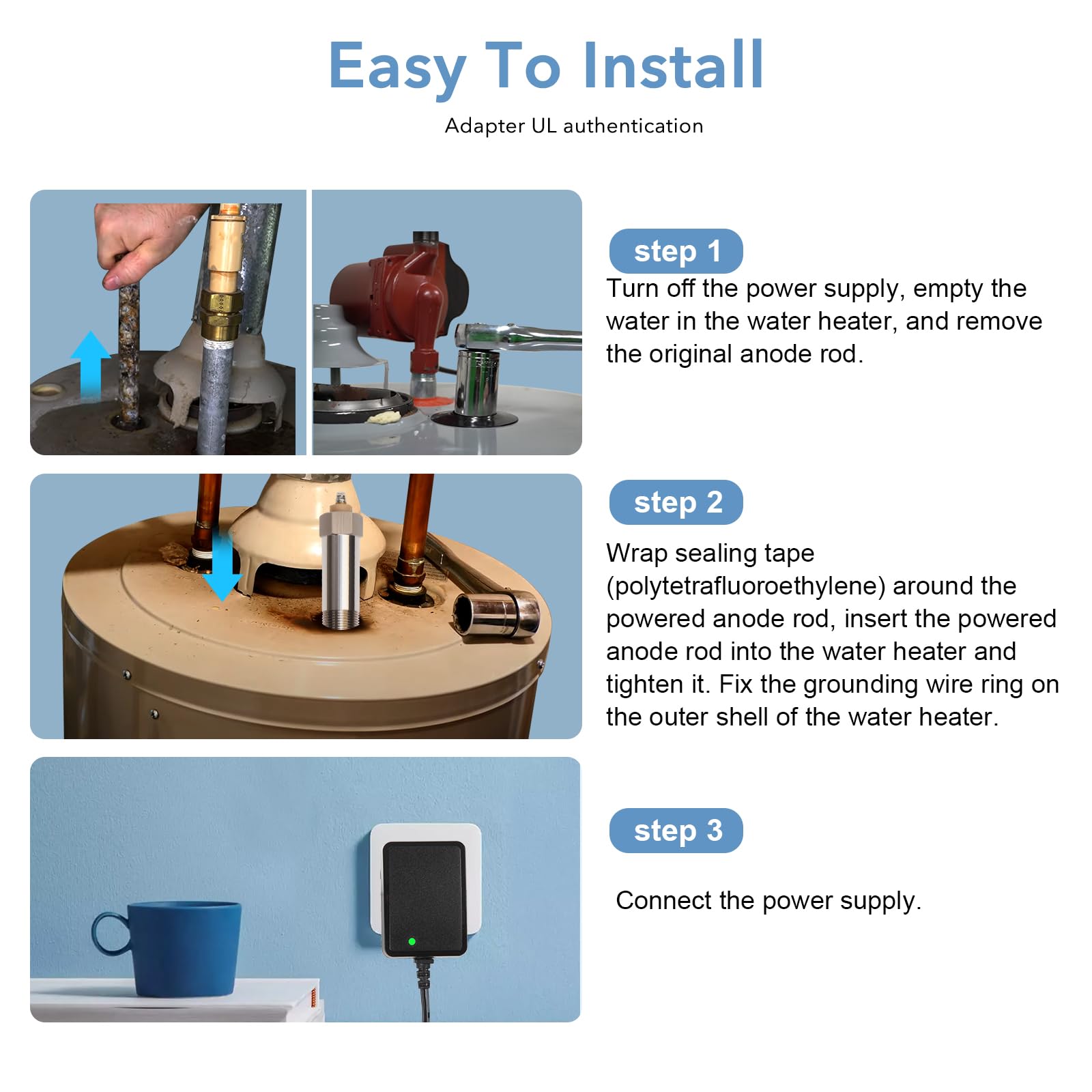
Turn off the water heater and let it cool. Drain some water to avoid spills. Use a wrench to remove the old anode rod. Check for rust or damage inside the tank. Insert the new rod tightly, but do not over-tighten.
Refill the tank and check for leaks. Test the water to see if the smell is gone. Replace the anode rod every few years to keep your water fresh.
Credit: porchlightrental.com
Preventive Maintenance Tips
Preventive maintenance helps keep your RV water heater free from sulfur smells. Simple steps stop bacteria growth and keep water fresh. Regular care protects your system and improves water quality. Follow these tips to avoid the rotten egg odor.
Regular Flushing Schedule
Flush the water heater every three to six months. Flushing removes sediment and bacteria buildup. Use a vinegar or descaling solution for best results. This cleaning keeps the tank fresh and odor-free. Always follow your RV’s manual for proper steps.
Water Filtration Options
Install a water filter to reduce contaminants. Filters block sulfur and minerals that cause smells. Choose filters designed for RV water systems. Change filters regularly to maintain clean water flow. This step improves taste and stops odor before it starts.
Using Water Softeners
Water softeners reduce hard minerals in your water. Hard water encourages bacteria that create sulfur smells. Softening water protects the heater and plumbing pipes. Use RV-approved water softeners for best results. Replace softener salt as recommended for ongoing care.
When To Call A Professional
Knowing when to call a professional for an RV water heater that smells like sulfur is important. Some problems need expert help to keep you safe and fix the issue fast. Calling a professional can save time and avoid bigger damage.
Persistent Odor Problems
If the sulfur smell stays after cleaning, call a professional. Persistent odors may mean deep bacteria or mineral buildup. Experts have tools to fully clean and treat the water heater. They find hidden causes that simple cleaning misses.
Water Heater Malfunctions
Strange noises or water leaks with the sulfur smell need expert help. Malfunctions can cause bad odors and damage the heater. A professional can check the parts and fix broken pieces. This keeps your water heater working well and lasting longer.
Safety Concerns
A strong sulfur smell can mean gas leaks or dangerous bacteria. Professionals know how to test for these risks. They protect your health by fixing problems safely and correctly. Never ignore strong smells or try risky repairs yourself.

Credit: www.youtube.com
Conclusion
A sulfur smell in your RV water heater means bacteria may be growing inside. Flushing and cleaning the tank helps remove this smell. Using fresh water and regular maintenance keeps the heater smelling clean. Check the anode rod often, as it can cause odors if old or damaged.
Fixing the smell early saves you from bigger problems later. Keep your water heater in good shape for a better RV trip. Clean water means a more pleasant and safe adventure.