Are you tired of stepping into a shower that’s either too hot or too cold when you’re on the road? Getting your RV water heater temperature just right can make every shower comfortable and save you energy.
You’ll discover simple steps to adjust your RV water heater temperature safely and easily. Whether you want warmer water for those chilly mornings or a cooler setting to avoid burns, this guide will help you take control of your water heater and enjoy your travels even more.
Keep reading to learn how to get the perfect water temperature every time.
Types Of Rv Water Heaters
RV water heaters come in different types. Each type has its own way of heating water. Knowing the types helps you choose the right one. It also makes adjusting the temperature easier and safer.
Electric Water Heaters
Electric water heaters use electricity to heat water. They are quiet and easy to control. These heaters work well when you have power hookups. They heat water steadily but take some time to warm up.
Propane Water Heaters
Propane water heaters run on propane gas. They heat water quickly and are good for off-grid travel. These heaters need proper ventilation. Adjusting temperature is simple with built-in controls. They are common in many RVs.
Tankless Water Heaters
Tankless water heaters heat water only when you need it. They do not store hot water in a tank. This saves space and energy. Water heats instantly but the flow rate may be lower. These heaters can use propane or electricity.

Credit: www.schieffer.com.br
Why Adjust Water Heater Temperature
Adjusting your RV water heater temperature is important for several reasons. It helps you enjoy warm water just right for your needs. It also keeps you safe and saves energy. Setting the correct temperature can protect your water heater from damage. Understanding why to adjust the temperature makes your RV trips more comfortable and efficient.
Comfort And Safety
Setting the right water temperature gives you comfortable hot water. Water that is too hot can cause burns or scalds. Cooler water may not feel warm enough for showers or washing. Adjusting the temperature helps avoid these problems and keeps everyone safe.
Energy Efficiency
Lowering your water heater temperature saves energy. Less energy means less fuel or electricity used. This can lower your travel costs and reduce your environmental impact. Proper temperature settings make your RV more efficient and eco-friendly.
Preventing Damage
High temperatures can damage your water heater parts. It can cause leaks or shorten the heater’s life. Adjusting the temperature prevents overheating and protects your equipment. This helps you avoid costly repairs and keeps your heater working well.
Tools Needed For Adjustment
Adjusting the water heater temperature in your RV is simple with the right tools. Having these tools ready makes the task quicker and safer. Each tool plays a key role in checking and setting the perfect temperature.
Thermometer
A thermometer helps you measure the water temperature accurately. It shows if the water is too hot or too cold. Use a digital or analog thermometer for best results. Check the water temperature after adjustment to ensure comfort and safety.
Screwdriver
A screwdriver is needed to access the temperature control panel. Most RV water heaters have screws securing the cover. Use a flathead or Phillips screwdriver based on the screw type. Handle screws carefully to avoid damage to the heater.
Owner’s Manual
The owner’s manual guides you through the adjustment process. It shows the location of the thermostat and the proper temperature range. Follow the manual instructions to avoid mistakes. Keep the manual handy for troubleshooting and maintenance tips.

Credit: www.youtube.com
Step-by-step Temperature Adjustment
Adjusting the water heater temperature in your RV is simple and keeps your showers comfortable. This step-by-step guide helps you set the perfect heat level safely. Follow each step carefully to avoid damage and enjoy warm water at your preferred temperature.
Locate The Thermostat
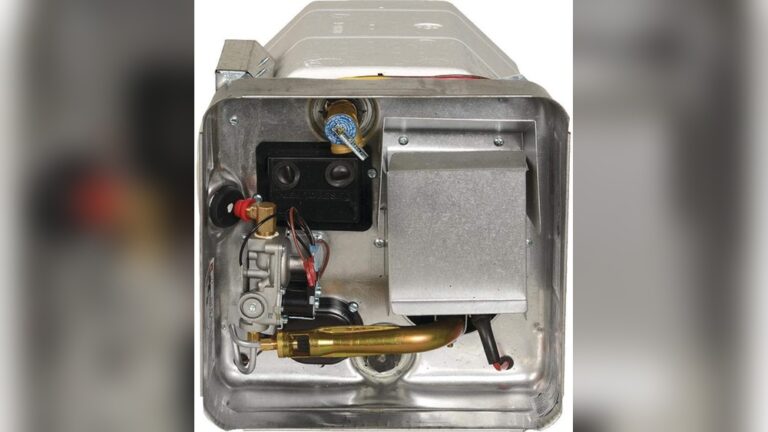
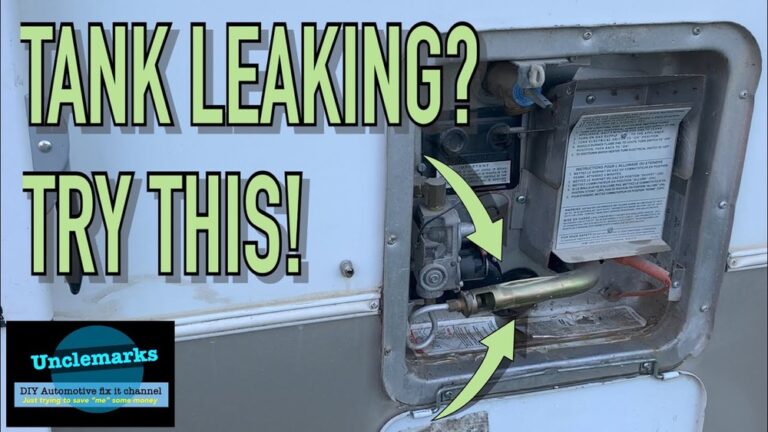
Find the water heater’s thermostat first. It is usually behind a small access panel. This panel might be on the side or front of the heater. Use a screwdriver to open the panel. Inside, you will see the thermostat dial or knob.
Turn Off The Heater
Always switch off the water heater before adjusting the temperature. This prevents electric shock or burns. Turn off the power at the breaker or unplug the unit. Wait a few minutes to let the heater cool down.
Adjust The Temperature Dial
Use a flathead screwdriver to turn the thermostat dial. Turn it clockwise to increase heat or counterclockwise to lower it. Make small changes, about 5 degrees at a time. Avoid setting it above 120°F to prevent scalding.
Test The Water Temperature
Turn the water heater back on and wait 30 minutes. Run hot water from a faucet to check the temperature. Use a thermometer for accuracy. Adjust the dial again if the water is too hot or cold. Repeat until you find the right temperature.
Tips For Maintaining Ideal Heat
Keeping your RV water heater at the right temperature is important for comfort and safety. Proper heat helps avoid cold showers and saves energy. These simple tips help you maintain the ideal heat level in your RV water heater.
Regular Temperature Checks
Check the water heater temperature often. Use a thermometer to measure the water heat. Set the thermostat between 120°F and 130°F for best results. Too high can cause burns. Too low may not heat water enough.
Insulating Your Water Heater
Wrap your water heater with an insulation blanket. It keeps heat inside and reduces energy use. Insulation also protects the heater from cold weather. Make sure the blanket fits well and does not cover vents or controls.
Flushing The Tank
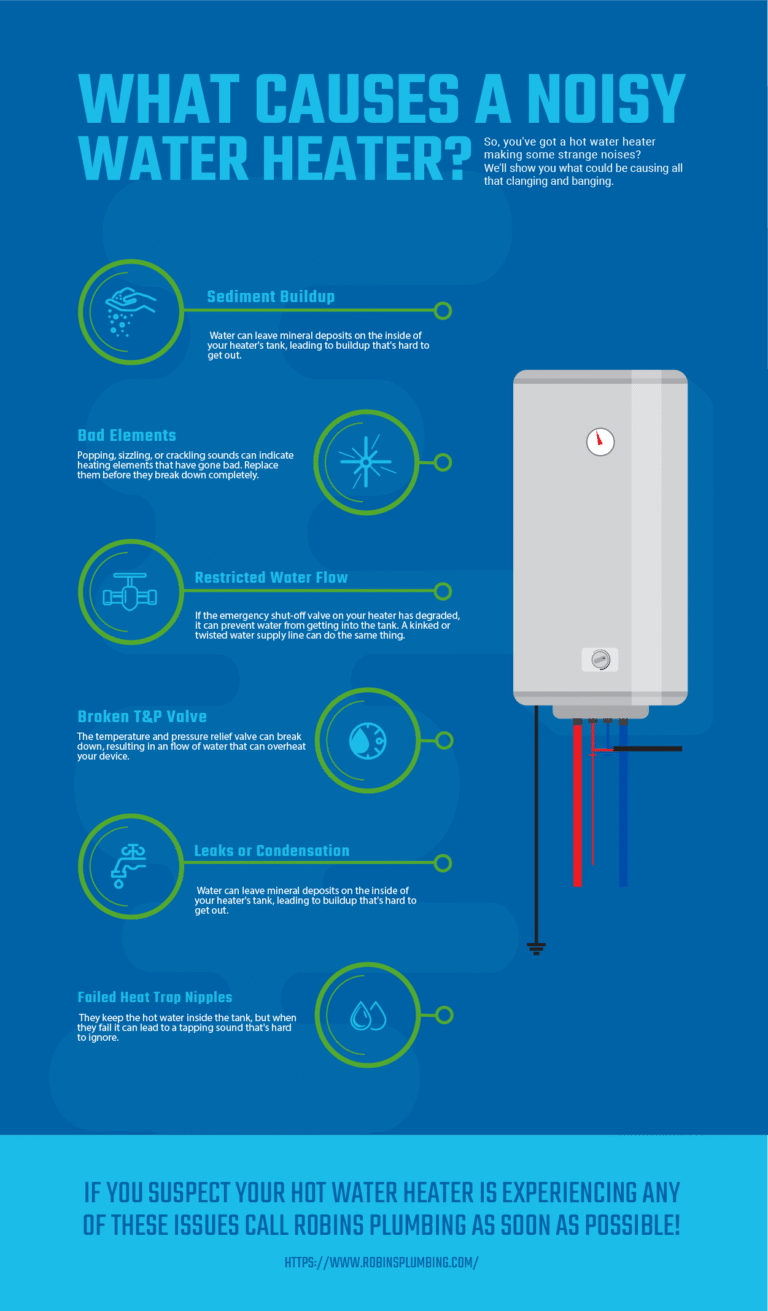
Flush the water heater tank regularly. Sediment builds up inside and lowers heat efficiency. Drain the tank completely and refill it with fresh water. This keeps the heater working well and extends its life.
Credit: www.irv2.com
Troubleshooting Common Issues
Troubleshooting common problems with your RV water heater can save time and frustration. Simple fixes often restore comfort quickly. Understanding these issues helps keep your water temperature just right. Here are some typical problems and easy solutions.
Water Too Hot Or Cold
Water that is too hot can cause burns. Check the thermostat setting first. Lower the temperature to around 120°F for safety. Cold water may mean the heater is not working properly. Ensure the water heater is turned on and receiving power. Sediment buildup can also affect temperature. Flushing the tank helps remove deposits.
Inconsistent Heating
Water temperature changes during use can be frustrating. This often happens from a faulty thermostat or heating element. Inspect the thermostat for damage or loose connections. Replace it if needed. A weak heating element may also cause uneven heat. Test the element and swap it out if it is broken. Proper maintenance keeps water heating steady.
Pilot Light Problems
The pilot light is essential for gas water heaters. If it won’t stay lit, check the gas supply. Make sure the valve is open and gas is flowing. Dirt or debris can block the pilot orifice. Cleaning the area improves ignition. The thermocouple might be faulty and need replacing. This small sensor keeps the pilot light burning safely.
Conclusion
Adjusting your RV water heater temperature keeps your water safe and comfortable. Set the right heat to avoid burns or cold showers. Regular checks help maintain the heater’s performance. Simple steps can save energy and extend your heater’s life. Always follow the manual for safe adjustments.
Enjoy warm water on your trips without worry. Small changes make a big difference in comfort. Stay safe and comfortable on the road.