Is your RV water heater thermostat not working right? You rely on your water heater for warm showers and comfort on the road.
When the thermostat fails, it can leave you with cold water or even cause your heater to overheat. This problem can be frustrating, especially when you’re miles away from help. But don’t worry—understanding why your thermostat isn’t working and how to fix it is easier than you think.
Keep reading, and you’ll discover simple steps to get your water heater back to perfect temperature in no time.
Credit: comunicar.org
Signs Of A Faulty Thermostat
A faulty thermostat in an RV water heater can cause many problems. It controls the water temperature and helps the heater work correctly. Knowing the signs of a bad thermostat helps you fix the issue fast. This saves time and keeps your water warm on the road.
No Hot Water
No hot water is a clear sign of thermostat trouble. The thermostat may not send the signal to heat the water. The heater stays off, and the water stays cold. Check the thermostat if the water never gets warm.
Inconsistent Water Temperature
Water temperature that changes a lot points to a faulty thermostat. It may heat the water too much or not enough. You might feel hot water one moment and cold the next. This happens because the thermostat cannot keep a steady temperature.
Heater Not Turning On
The water heater may not turn on at all. The thermostat might fail to activate the heating element. This stops the heater from working, even if you set the temperature high. A broken thermostat often causes this problem.
Common Causes Of Thermostat Issues
Thermostat problems in an RV water heater can stop hot water flow. Knowing common causes helps fix the issue faster. Many times, the problem lies in simple parts or connections. Understanding these causes can save time and money on repairs.
Worn Out Components
Over time, thermostat parts wear out from regular use. Heat and moisture can damage the sensor or wiring. A worn thermostat may fail to detect water temperature correctly. This leads to no heating or overheating issues. Replacing old parts often restores proper function.
Electrical Problems
Electric faults often cause thermostat failure. A blown fuse or tripped breaker stops power to the heater. Damaged wiring or a faulty control board can also disrupt operation. Checking the electrical system carefully helps find hidden issues. Repairing these faults usually fixes the thermostat problem.
Poor Connections
Loose or corroded connections cause thermostat errors. Vibration from travel can loosen wires. Corrosion builds up from moisture inside the heater unit. These problems prevent signals from reaching the thermostat. Tightening and cleaning connections often restores normal heating.
Tools Needed For Troubleshooting
Troubleshooting an RV water heater thermostat needs the right tools. Without them, you cannot check the problem properly. Using simple tools helps you find the issue faster. You save time and avoid extra costs by having these tools ready.
Multimeter
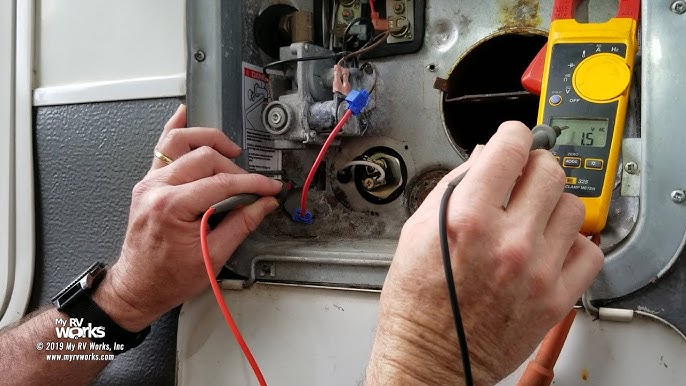
A multimeter measures electrical parts in the thermostat. It checks voltage, current, and resistance. This tool shows if the thermostat gets power or if the circuit breaks. You need a multimeter to find electrical faults clearly.
Screwdrivers
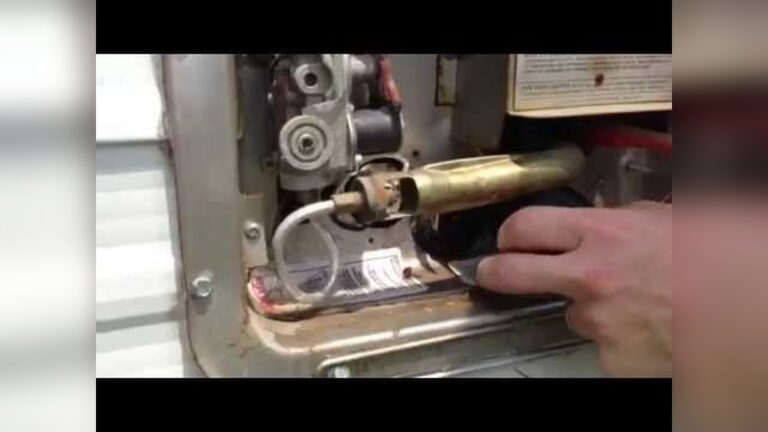
Screwdrivers help open the water heater panel safely. You need both flathead and Phillips screwdrivers for different screws. They let you remove covers and access the thermostat and wiring. Use screwdrivers carefully to avoid damage.
Replacement Parts
Sometimes, parts inside the thermostat wear out or break. Having spare thermostats or heating elements ready helps you fix problems fast. Replacement parts keep your water heater working well without long waits. Choose parts that fit your RV model exactly.

Credit: www.novarti.co.za
Step-by-step Thermostat Testing
Testing the thermostat of an RV water heater helps find the problem quickly. This step-by-step guide explains how to check the thermostat safely and correctly. Each step uses simple tools and clear instructions. Follow these steps to see if the thermostat needs repair or replacement.
Power Off Safety Check
Turn off the RV power supply before starting. This prevents electric shock during testing. Confirm no electricity flows to the heater wires. Use a voltage tester to be sure. Safety first. Never skip this step.
Measuring Continuity
Set your multimeter to the continuity mode. Touch the meter probes to the thermostat terminals. A beep or zero reading means good continuity. No beep indicates a broken thermostat. This test shows if the thermostat can complete the circuit.
Checking Voltage
Turn the power back on carefully. Set the multimeter to measure voltage. Place the probes on the thermostat input terminals. Check if the voltage matches the RV’s power rating. No voltage means wiring issues, not the thermostat. Correct voltage means the thermostat may be faulty.
Quick Fixes To Try
When your RV water heater thermostat stops working, quick fixes can save your trip. These simple steps often solve common problems fast. Try these easy actions before calling a professional. You might fix the issue yourself with little effort.
Resetting The Thermostat
Start by turning off the water heater power. Wait a few minutes to let it cool down. Then turn the power back on. This reset can clear minor errors in the thermostat. It helps the unit start fresh and may restore normal function.
Tightening Loose Wires
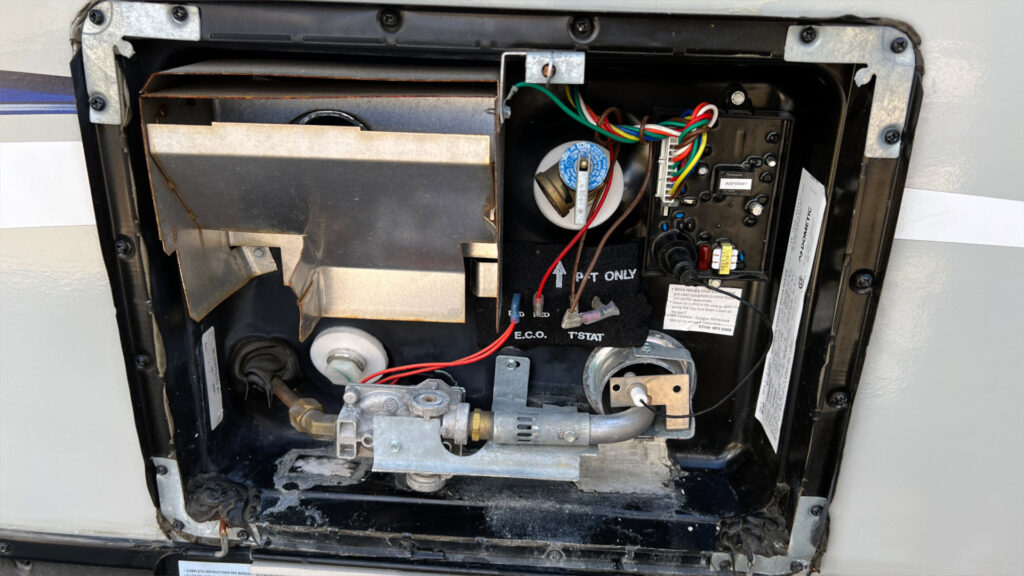
Loose wires cause connection problems and stop the thermostat from working. Locate the thermostat wiring panel. Check all wires for tight connections. Use a screwdriver to gently tighten any loose screws. Secure wires improve electrical flow and fix many issues.
Replacing The Thermostat
If resetting and tightening do not help, the thermostat might be faulty. Buy a new thermostat that fits your RV water heater model. Turn off all power before removing the old unit. Install the new thermostat carefully, following the instructions. This replacement often restores hot water quickly.
Preventive Tips To Avoid Future Issues
Preventing issues with your RV water heater thermostat saves time and money. Simple steps help keep your system working well. Early care stops small problems from growing.
Follow easy tips to avoid future thermostat troubles. Routine checks and smart habits make a big difference. Stay ahead with regular care and simple inspections.
Regular Maintenance
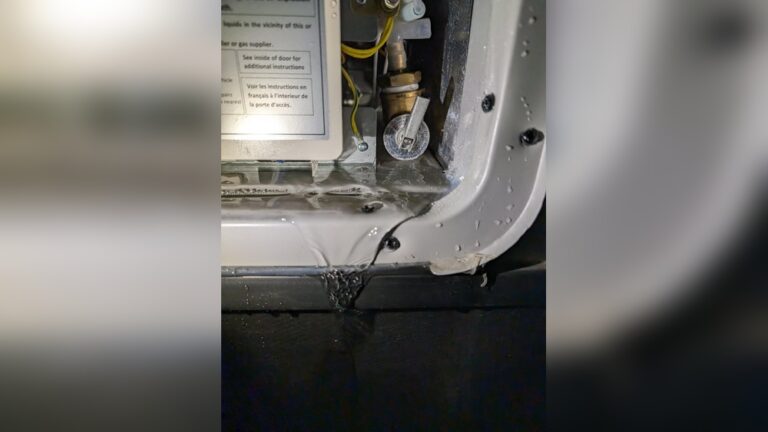
Clean the water heater regularly to remove dirt and buildup. Check for leaks and loose wires often. Replace worn parts quickly to keep the thermostat working. Routine care extends the heater’s life and avoids breakdowns.
Proper Usage Habits
Set the thermostat to a moderate temperature. Avoid sudden changes that stress the system. Turn off the water heater when not in use. Proper use reduces wear and keeps the thermostat steady.
Seasonal Inspections
Inspect the water heater before and after each season. Look for cracks, rust, or faulty connections. Test the thermostat to confirm it works well. Seasonal checks catch issues early and prevent big problems.
When To Call A Professional
Knowing when to call a professional for your RV water heater thermostat saves time and avoids risks. Some problems look simple but hide bigger issues. Getting expert help ensures safety and proper repairs.
Complex Electrical Problems
Electrical issues can be tricky and dangerous. A faulty thermostat may cause wiring problems. Professionals have tools and knowledge to fix these safely. Avoid touching wires or trying complex fixes yourself.
Repeated Failures
If the thermostat keeps breaking, it signals a deeper problem. Constant repairs waste money and time. A technician can find the root cause and solve it for good. This stops the cycle of constant failure.
Warranty Considerations
Many RV water heaters come with a warranty. Trying to fix the thermostat yourself may void it. Professionals know how to handle repairs without affecting warranties. Protect your investment by calling an expert when needed.
Credit: www.icecreamfactoryny.com
Frequently Asked Questions
Why Is My Rv Water Heater Thermostat Not Working?
The thermostat may fail due to faulty wiring, sediment buildup, or a damaged heating element. Check connections and clean the tank for better performance.
How Can I Test My Rv Water Heater Thermostat?
Use a multimeter to check for continuity in the thermostat. If it shows no continuity, the thermostat likely needs replacement.
Can A Faulty Thermostat Cause No Hot Water In Rv?
Yes, a bad thermostat can prevent the heating element from activating, resulting in no hot water supply.
How Do I Reset My Rv Water Heater Thermostat?
Locate the reset button, usually near the thermostat. Press and hold it for a few seconds to reset the system.
Conclusion
A broken RV water heater thermostat can cause many problems. Fixing it quickly saves you from cold showers. Check the wiring and thermostat settings first. Sometimes cleaning or replacing the thermostat solves the issue. Regular maintenance helps prevent future troubles.
Always keep safety in mind while working on your heater. Understanding simple steps makes repairs easier and less stressful. Stay prepared for your trips with a working water heater. Don’t let a small issue spoil your adventure. Taking care today means comfort tomorrow.