Is your RV water heater not heating up like it used to? Or maybe it’s overheating and making you worry about safety.
If you’re facing issues with your RV water heater thermostat, you’re not alone. This small but crucial part controls the water temperature, and when it malfunctions, your comfort on the road takes a hit. In this guide, you’ll discover simple, clear steps to troubleshoot your RV water heater thermostat yourself.
By the end, you’ll know exactly what to check and how to fix it, saving you time, money, and stress. Keep reading to get your hot water flowing smoothly again!
Credit: www.islagaia.pt
Common Thermostat Issues
Thermostats in RV water heaters play a key role in managing water temperature. Problems with these thermostats can cause discomfort during your trips. Understanding common issues helps you spot problems fast. It also guides you on basic fixes to keep your water heater working well.
No Hot Water
No hot water is a frequent thermostat problem. The thermostat might not signal the heater to turn on. Faulty wiring or a blown fuse can also stop heating. Check if the thermostat is set to a proper temperature. Testing the thermostat with a multimeter can reveal faults.
Inconsistent Water Temperature
Inconsistent temperatures mean the water changes from hot to cold. A failing thermostat might struggle to keep a steady heat. Loose wires or a dirty thermostat sensor can cause this. Clean the sensor and tighten connections to improve performance. Replace the thermostat if problems persist.
Water Too Hot
Water getting too hot suggests the thermostat is not shutting off. The thermostat may be stuck or set too high. This can damage the heater or cause safety risks. Lower the thermostat setting to a safe level. Replace the thermostat if it does not respond to changes.
Thermostat Not Responding
A thermostat not responding means it ignores control commands. This issue often stems from electrical failures inside the unit. It can also happen due to corrosion or moisture damage. Inspect wiring and connections for signs of wear. Replace the thermostat to restore proper function.
Safety Precautions
Safety is the top priority when troubleshooting an RV water heater thermostat. This device involves electricity and sometimes gas, both of which can be dangerous. Taking the right safety steps helps prevent accidents and injuries. Always prepare your workspace and tools before starting any repairs.
Turning Off Power
Always switch off the power supply before working on the thermostat. Locate the circuit breaker or fuse box and turn off the correct switch. Confirm the power is off by testing the water heater switch. This step reduces the risk of electrical shock during repairs.
Handling Gas Heaters
Gas water heaters need extra caution. Shut off the gas valve to stop fuel flow before starting work. Make sure the area is well ventilated to avoid gas buildup. Never use open flames near the heater while checking or fixing it.
Avoiding Electrical Hazards
Use insulated tools to prevent electric shocks. Keep your hands dry and wear rubber-soled shoes. Avoid touching wires and terminals with bare hands. Check all wires for damage and replace them if needed. These steps keep you safe from electrical risks.
Tools Needed For Troubleshooting
Troubleshooting an RV water heater thermostat requires the right tools. These tools help you check and fix the thermostat safely and efficiently. Having them ready before you start saves time and prevents damage.
Each tool plays a specific role in the process. Understanding their use makes the task easier, even for beginners. Here are the essential tools you need.
Multimeter
A multimeter measures electrical values like voltage and resistance. It helps test the thermostat’s electrical parts. This tool shows if the thermostat gets power or if wires are broken. Digital multimeters are simple to read and use.
Screwdrivers
Screwdrivers remove and tighten screws on the water heater cover. Both flathead and Phillips screwdrivers might be needed. They allow access to the thermostat and other components inside. Choose the right size to avoid stripping screws.
Wrenches
Wrenches loosen and tighten nuts on water heater fittings. An adjustable wrench works well for different sizes. Using a wrench prevents damage to the heater’s pipes and parts. It also helps disconnect the thermostat if necessary.
Step-by-step Thermostat Testing
Testing your RV water heater thermostat is a clear way to find problems fast. This guide shows simple steps to check the thermostat. Follow each step carefully for the best results. No special tools are needed, just some basic items you might have at home.
Accessing The Thermostat
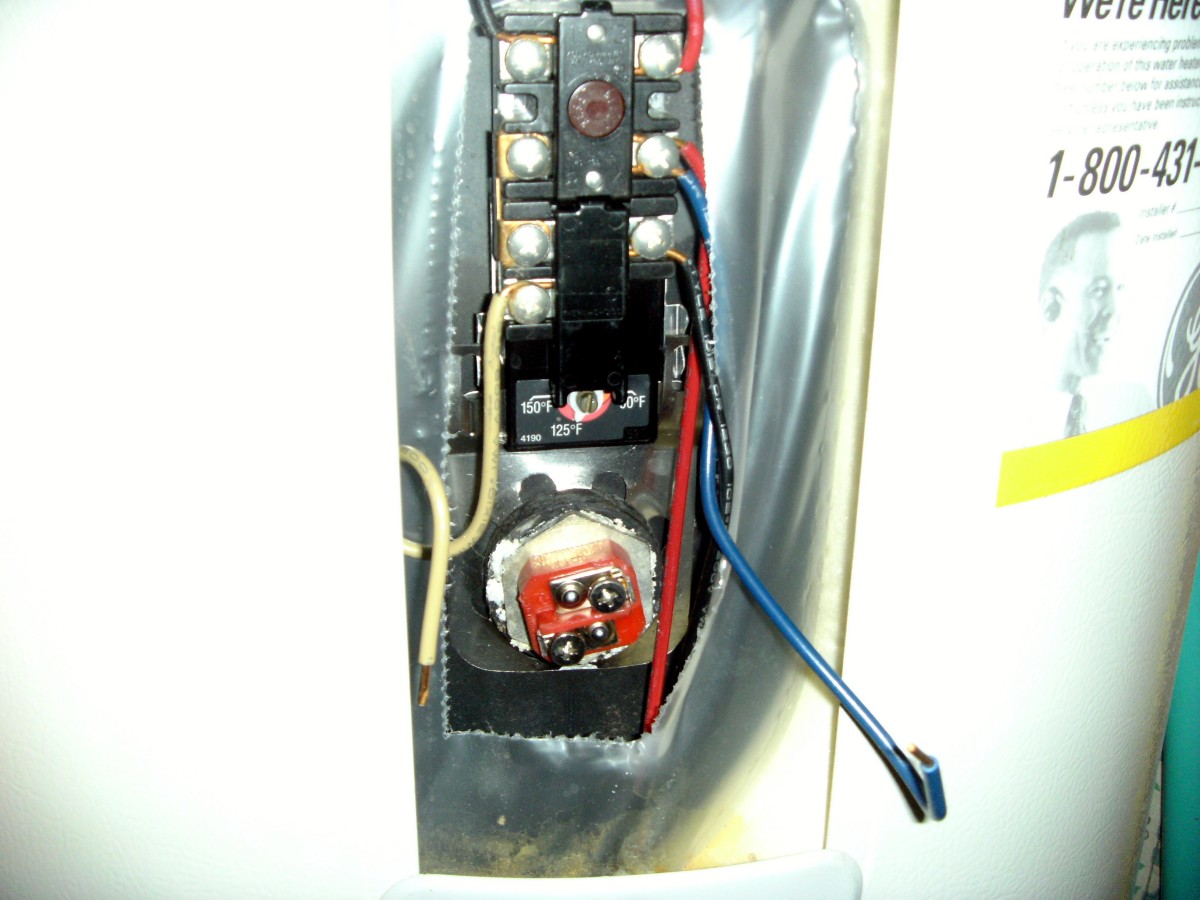
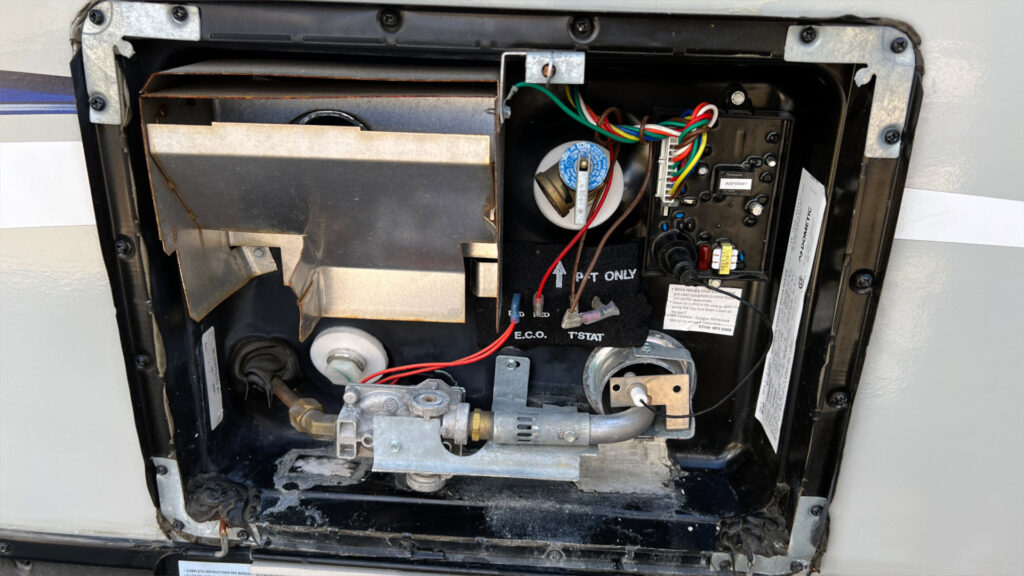
First, find the thermostat on your water heater. It usually sits behind a metal panel. Use a screwdriver to remove the panel screws. Keep the screws safe for later. You may see two or more wires connected to the thermostat. Be sure to turn off the power before touching anything.
Checking Continuity
Use a multimeter set to measure continuity. Touch the meter leads to the thermostat terminals. A beep or zero reading means good continuity. No sound or infinite reading shows a broken thermostat. Repeat the test a few times for accuracy. This step tells if the thermostat can pass electricity.
Testing Temperature Settings
Turn the thermostat dial to a low setting. Test continuity again to see if it turns off. Then, set it to a high temperature. Check continuity one more time. The meter should show continuity at higher settings. This test proves the thermostat reacts to temperature changes. Replace it if it fails any test.
Quick Fixes For Common Problems
RV water heater thermostats can stop working properly for many reasons. Some problems are easy to fix without special tools. Quick fixes save time and keep your water heater running smoothly. Follow these simple steps to solve common thermostat issues fast.
Resetting The Thermostat
Start by turning off the water heater’s power. Wait a few minutes to let the thermostat reset. Turn the power back on and check if the heater works. This simple reset can fix small glitches. It helps the thermostat start fresh without any errors.
Replacing Faulty Thermostat
If resetting does not help, the thermostat might be faulty. Purchase a replacement thermostat that fits your RV model. Turn off all power to the water heater. Remove the old thermostat carefully. Install the new one by following the instructions. Test the water heater after replacement to ensure it heats properly.
Cleaning Thermostat Contacts
Dirty or corroded contacts can stop the thermostat from working well. Turn off the power before cleaning. Use a small brush or cloth to clean the contacts gently. Remove any rust or dirt buildup. Clean contacts improve the electrical connection and thermostat function. After cleaning, restore power and test the heater.

Credit: exataatibaia.com.br
Maintaining Your Rv Water Heater
Maintaining your RV water heater keeps it working well and lasts longer. Regular care helps prevent common problems. This saves you time and money on repairs. Small checks and cleaning make a big difference.
Regular Inspection
Look at your water heater often. Check for leaks, rust, or cracks. Test the thermostat to see if it heats water properly. Tighten loose wires or parts. Early fixes stop bigger issues later.
Flushing The Tank
Drain and flush the tank every few months. This removes dirt and mineral build-up inside. Use fresh water to clean the tank fully. A clean tank heats water faster and lasts longer.
Checking Anode Rod
The anode rod stops rust inside the tank. Take it out and check for wear. Replace it if it looks thin or damaged. A good anode rod protects your water heater from corrosion.
When To Call A Professional
Knowing when to call a professional is important for your RV water heater thermostat. Some problems need expert help to avoid damage or danger. This guide helps you decide the right time to get a technician involved. Safety and proper repair matter most.
Persistent Issues
If the water heater keeps malfunctioning after you try fixes, call a professional. Repeated problems might mean a deeper issue with the thermostat or wiring. Professionals can find and fix hidden faults quickly. Avoid guessing and risking more damage.
Gas Heater Concerns
Gas water heaters need careful handling. Smell gas or notice unusual noises? Stop using the heater immediately. Call a professional. Gas leaks or faulty parts can cause fires or poisoning. Experts have tools and skills to safely check and repair the system.
Complex Electrical Problems
Electrical faults in the water heater can be tricky and dangerous. If you see sparks, burning smells, or breaker trips, get professional help. Electric shocks or fire risks increase with DIY mistakes. A trained technician can safely diagnose and fix complex electrical issues.
Credit: www.icecreamfactoryny.com
Frequently Asked Questions
How Do I Reset My Rv Water Heater Thermostat?
To reset the thermostat, turn off the water heater power. Locate the reset button, usually red, and press it. Wait a few minutes before turning the power back on. This can resolve minor thermostat glitches and restore proper heating function.
Why Is My Rv Water Heater Thermostat Not Heating?
A faulty thermostat, broken heating element, or tripped circuit breaker can cause no heat. Check for power issues first. Test the thermostat and heating element continuity with a multimeter. Replace defective parts to restore heating.
How To Test An Rv Water Heater Thermostat?
Turn off power to the heater. Remove the thermostat cover and disconnect wires. Use a multimeter set to ohms to check continuity across thermostat terminals. No continuity indicates a faulty thermostat needing replacement.
Can A Dirty Thermostat Cause Water Heater Issues?
Yes, dirt and corrosion on the thermostat can disrupt its function. Clean the thermostat contacts gently to improve connection. Regular maintenance helps prevent heating problems and extends the water heater’s lifespan.
Conclusion
Troubleshooting your RV water heater thermostat can save time and money. Check for common issues like faulty wiring or a broken thermostat. Simple fixes often restore hot water quickly. Regular maintenance helps avoid future problems. Stay calm and follow each step carefully.
Your RV trips will be more comfortable with reliable hot water. Keep these tips handy for easy repairs on the road.