Is your RV water heater not working the way it should? You rely on it for hot showers and washing dishes, so when it stops heating properly, it can be frustrating.
But don’t worry—fixing your RV water heater might be easier than you think. In this guide, you’ll discover simple troubleshooting tips that can help you get your heater back to normal quickly. Keep reading to save time, avoid costly repairs, and enjoy warm water on your next trip.
Common Water Heater Issues
RV water heaters can face several common problems. Knowing these issues helps you fix them fast. This saves water, power, and keeps your trips comfy. Troubleshooting starts by identifying the exact problem. Here are frequent water heater troubles and their signs.
No Hot Water
No hot water is a common RV water heater problem. It might mean the heater is not getting power. Check the battery and connections first. Another cause is a faulty thermostat or heating element. Sediment buildup can also block heating. Test each part carefully to find the cause.
Inconsistent Water Temperature
Water that changes temperature often is frustrating. This usually points to a bad thermostat. The thermostat might send wrong signals to the heater. Loose wiring can cause temperature swings too. Sometimes, sediment in the tank affects heating. Clean the tank and check parts for damage.
Water Heater Won’t Ignite
A heater that won’t ignite means no warm water. Gas models might have a clogged burner or pilot light issue. Electric models can have a broken heating element or fuse. Check gas supply and pilot light first. Look for sparks or smells that signal gas leaks. Safety first.
Water Takes Too Long To Heat
If hot water takes too long, check the heating element. It may be weak or coated with sediment. A low water flow rate can also slow heating. Make sure the water pump works well. Clean filters and valves to improve flow. These steps speed up heating time.
Credit: www.icecreamfactoryny.com
Basic Checks Before Repairs
Before starting any repairs on your RV water heater, some basic checks can save time and effort. These checks help identify simple issues that may cause the heater to stop working. They also prevent unnecessary repairs or part replacements. Performing these steps ensures safety and proper function of your water heater.
Power Supply And Connections
Check if the water heater is plugged in or connected to power. Inspect the fuse or circuit breaker for any trips or blows. Loose wires or corroded connections can stop the heater from working. Tighten all connections and replace damaged wires. Confirm the power switch is on and the battery has enough charge.
Gas Supply And Valves
Ensure the propane tank has gas and the valve is open. Closed or partially open valves block the gas flow. Look for leaks or damage in gas lines. Smell for gas near connections as a safety check. Turn off the gas supply before fixing any leaks.
Water Supply And Pressure
Verify the water tank is full and the pump is running. Low water pressure stops the heater from heating properly. Check for clogged water lines or filters. Make sure water valves are open and hoses are connected tightly. Air in the lines can also affect water flow.
Thermostat Settings
Check the thermostat dial or control panel settings. The temperature might be set too low. Adjust the thermostat to a warmer setting. Faulty thermostats can cause heating issues. Test the thermostat with a multimeter if the heater still does not heat water.
Quick Fixes For No Hot Water
No hot water in your RV can ruin your trip fast. Many simple fixes solve this issue without calling a pro. These quick steps help you get hot water flowing again. Follow easy methods to check and fix common problems.
Resetting The Water Heater
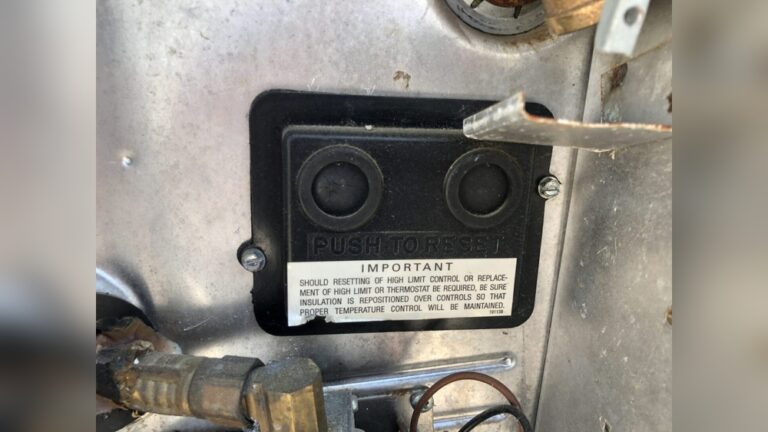
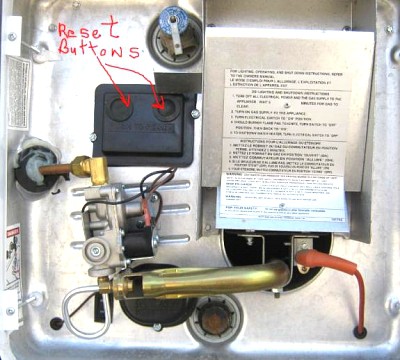
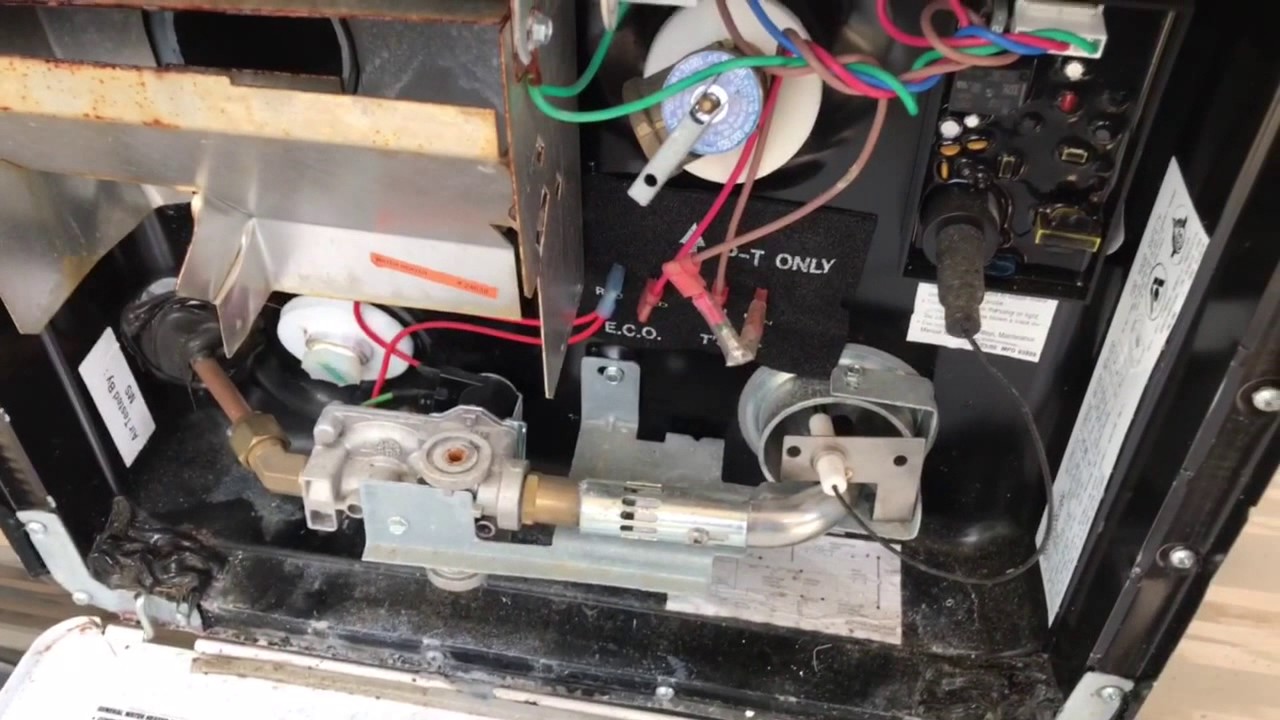
Start by turning off the water heater. Wait a few minutes. Press the reset button on the unit. This button is usually red and found near the thermostat. Resetting clears minor errors in the system. Turn the water heater back on. Check if hot water returns.
Replacing A Blown Fuse
Locate the fuse box for your water heater. Open the cover carefully. Find the fuse labeled for the heater. Check if the fuse wire inside is broken. Replace the fuse with one of the same type and rating. Close the box and test the water heater again.
Relighting The Pilot Light
Turn off the gas supply first. Wait five minutes to clear any gas. Find the pilot light assembly on the heater. Follow the instructions in your manual to relight it. Usually, press and hold a button while lighting. Keep holding for 30 seconds after lighting. Release and watch the flame. The pilot should stay lit.
Flushing Sediment Buildup
Turn off the water heater and water supply. Attach a hose to the drain valve. Open the valve and drain water into a safe area. Sediment and debris come out with the water. Close the valve and remove the hose. Turn the water supply and heater back on. Flushing removes blockages that stop heating.
Credit: thewave.global
Fixes For Temperature Fluctuations
Temperature fluctuations in your RV water heater can be frustrating. These changes make it hard to enjoy a steady warm shower. Several simple fixes can help maintain a constant water temperature. Understanding these steps saves time and keeps your water heater working well.
Adjusting The Thermostat
Start by checking the thermostat setting. Sometimes, the thermostat is set too low or too high. Adjust it to a moderate temperature for steady heat. Use a screwdriver to turn the dial gently. Small adjustments can bring big improvements. Avoid setting it too hot to prevent burns.
Checking For Water Leaks
Leaks affect water pressure and temperature stability. Look under the water heater for any wet spots or drips. Tighten loose connections or replace damaged hoses. Even small leaks can cause temperature swings. Fixing leaks helps maintain steady water flow and heat.
Inspecting The Heating Element
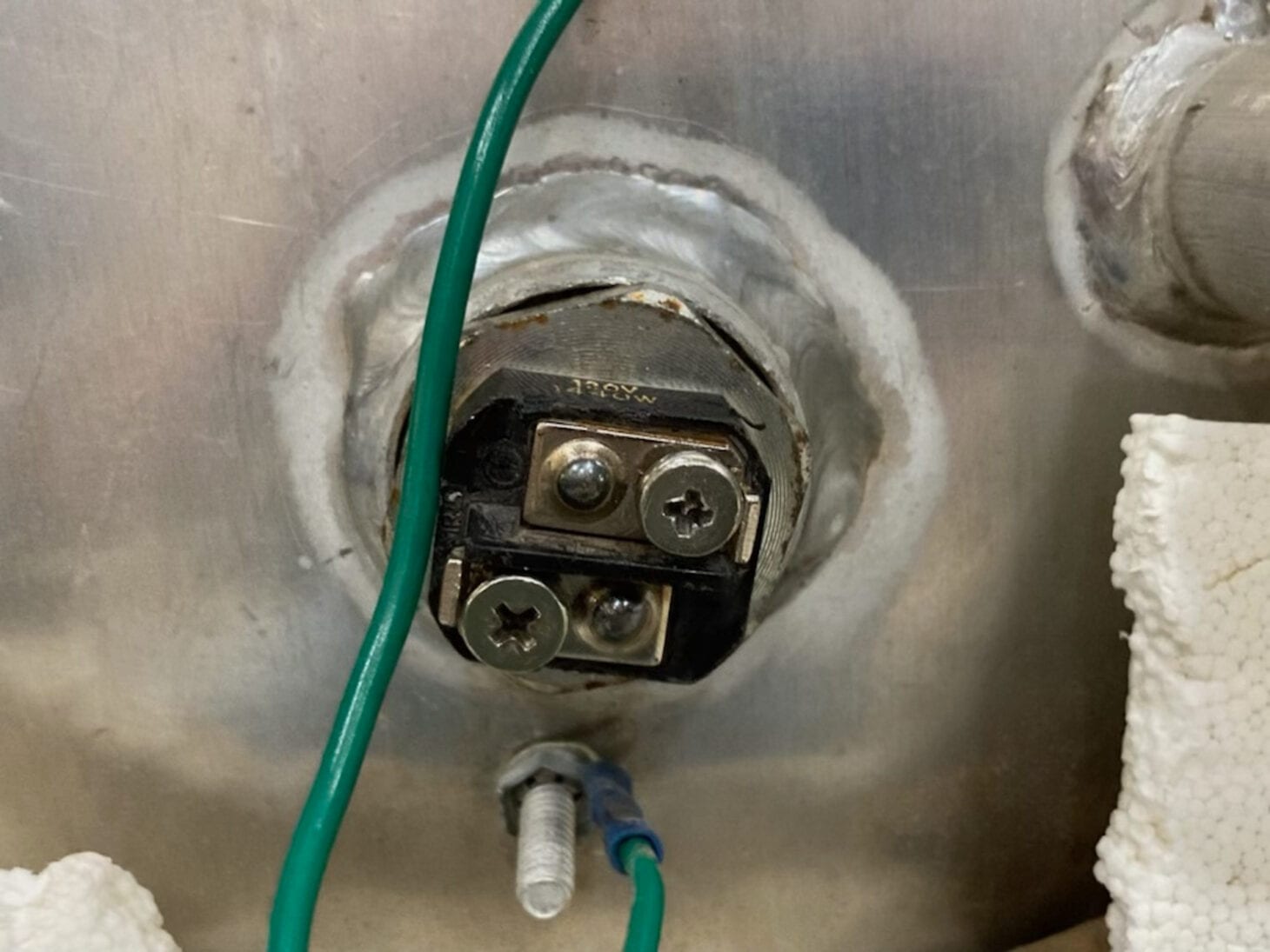
The heating element heats the water directly. Over time, it can wear out or get covered with mineral buildup. Turn off power and water before inspection. Remove the element and check for corrosion or damage. Clean or replace the element if needed. A healthy heating element ensures even water temperature.
Troubleshooting Ignition Problems
Ignition problems are common issues with RV water heaters. They stop the heater from lighting up and providing hot water. Fixing these problems saves time and money. It also ensures safe and reliable operation during your trips.
Cleaning The Igniter
The igniter creates the spark to light the burner. Dirt and debris can block the spark. Use a soft brush or cloth to clean it gently. Avoid damaging the igniter tip. Clean around the igniter for better spark delivery. After cleaning, try lighting the heater again.
Checking The Thermocouple
The thermocouple senses the flame and controls gas flow. A faulty thermocouple stops ignition. Inspect it for dirt, damage, or loose connections. Clean the tip with fine sandpaper if dirty. Tighten any loose connections. Replace the thermocouple if it looks damaged or old.
Testing The Control Board
The control board manages ignition signals. Faulty boards can stop the ignition process. Use a multimeter to test voltage and continuity. Follow the manufacturer’s instructions for testing. Replace the control board if it fails the tests. Proper board function is essential for safe ignition.
Preventive Maintenance Tips
Preventive maintenance keeps your RV water heater working well. It helps avoid breakdowns and costly repairs. Simple steps extend the heater’s life and improve safety. Regular care ensures hot water is always ready on your trips.
Regular Flushing
Flush the water heater at least twice a year. This removes minerals and sediment buildup inside the tank. Use a descaling solution or white vinegar for better cleaning. Flushing prevents clogs and improves heating efficiency.
Inspecting Anode Rod
Check the anode rod every six months. It protects the tank from rust by attracting corrosion. Replace the rod if it looks worn or less than half an inch thick. A good anode rod helps your water heater last longer.
Checking For Corrosion
Look for rust or leaks around the heater and pipes. Corrosion can cause water damage and heater failure. Clean any rust spots and tighten loose connections. Early detection stops small problems from growing.
Seasonal Maintenance
Before winter or long storage, drain the water heater completely. This prevents freezing and damage to the tank. Also, inspect all parts and clean filters. Seasonal checks prepare your heater for any weather.
When To Call A Professional
Knowing when to call a professional for your RV water heater is very important. Some problems need expert help to avoid damage or injury. Small fixes you can do yourself, but certain signs mean it is time to get help. This guide helps you spot those signs and find a good technician.
Signs Of Serious Issues
Leaks around the water heater mean trouble. Water on the floor or near connections should not be ignored. Strange smells like gas or burning need quick action. The heater not turning on or making loud noises shows bigger problems. If water is not heating at all, it might be a serious issue. Do not try to fix these problems alone.
Safety Precautions
Turn off the power and water supply before any check. Avoid touching wires or parts that look damaged. Gas leaks can cause fire or explosion. Open windows and doors if you smell gas. Do not use the water heater until a professional says it is safe. Safety is the top priority.
Finding A Reliable Technician
Look for someone with experience in RV water heaters. Check reviews and ask other RV owners for recommendations. Make sure the technician is licensed and insured. Ask about their service warranty. A good technician will explain the problem clearly and offer a fair price. Trust matters when fixing your RV water heater.
Credit: catmosphere.org
Frequently Asked Questions
Why Is My Rv Water Heater Not Heating Water?
Your RV water heater may not heat due to a faulty thermostat, tripped breaker, or pilot light issues. Check power supply, gas connection, and reset the breaker. Inspect the pilot light and replace any damaged parts promptly to restore heating.
How Do I Reset My Rv Water Heater?
Locate the reset button, usually on the water heater’s access panel. Press and hold it for 30 seconds. This resets the thermostat and can fix common heating issues. If the problem persists, check for electrical or gas supply problems.
What Causes My Rv Water Heater Pilot Light To Go Out?
The pilot light may go out due to a dirty or blocked burner, faulty thermocouple, or gas supply interruption. Clean the burner, check the thermocouple, and ensure the gas valve is open to maintain a steady pilot flame.
How Can I Prevent My Rv Water Heater From Freezing?
Drain the water heater before winter storage to prevent freezing. Use RV antifreeze if needed and insulate the water heater area. Regular maintenance and proper winterizing protect your water heater from freeze damage effectively.
Conclusion
Troubleshooting your RV water heater can save time and money. Start with simple checks like power supply and pilot light. Regular maintenance helps avoid many common problems. Knowing basic fixes makes camping more comfortable. Don’t ignore small signs of trouble.
Keep your water heater working well for a smooth trip. Stay patient and follow safety steps carefully. These tips can help keep hot water flowing on the road.