Are you thinking about upgrading to a tankless water heater but unsure if your home’s electrical system can handle it? Understanding the power requirements is key to making the right choice and avoiding unexpected costs.
You’ll discover exactly what kind of electrical setup your tankless water heater needs, how to prepare your home, and the simple steps you can take to ensure smooth installation. By the end, you’ll feel confident about powering your new water heater efficiently and safely.
Keep reading to unlock the essential facts that will save you time and money.
Credit: www.healingwithhorsesranch.org
How Tankless Water Heaters Work
Tankless water heaters heat water directly without storing it. They provide hot water only when you need it. This design saves energy and space.
Understanding how these heaters work helps you choose the right one. It also explains their power needs and efficiency.
Basics Of Operation
Water flows through a heating element inside the unit. The element heats the water instantly as it passes. No tank means no standby heat loss.
The heater activates when a faucet or shower opens. It stops heating once you turn the water off. This on-demand heating saves energy and reduces costs.
Types Of Tankless Heaters
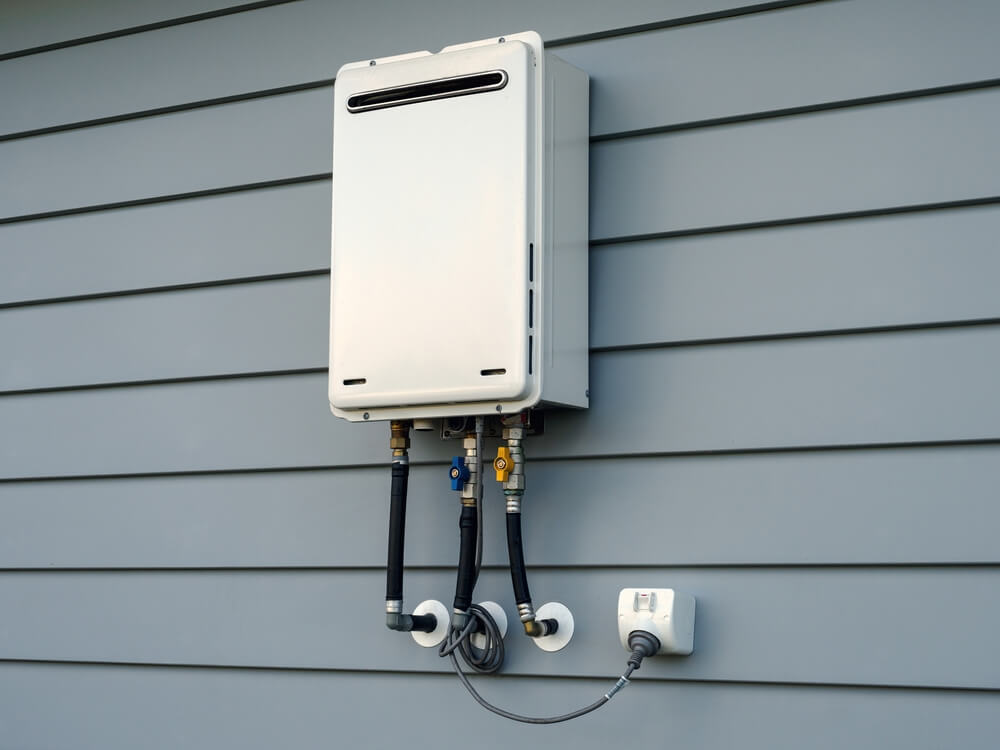
Electric and gas models are the two main types. Electric heaters use electrical power to heat water. They are easier to install and need less space.
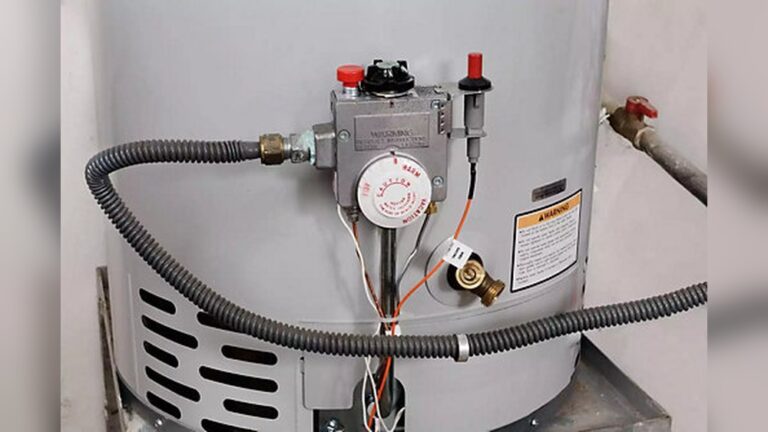
Gas heaters use natural gas or propane. They heat water faster and handle larger households well. Gas models need proper ventilation for safety.
Credit: apollohome.com
Power Needs Explained
Understanding the power needs of a tankless water heater is important. These heaters heat water instantly, so they need a strong power source. Knowing the power type helps pick the right model for your home. This section breaks down the power needs clearly.
Electric Vs Gas Models
Electric tankless water heaters use electricity to heat water. They need a high electrical current and strong wiring. Most homes need an upgrade to handle this load. Gas models run on natural gas or propane. They need a gas line and a vent for exhaust. Gas units use less electricity but need proper ventilation.
Calculating Energy Usage
Check the heater’s power rating on its label. It shows how much energy the unit uses. For electric heaters, watts matter most. Higher watts mean more power and faster heating. Gas heaters use BTUs to measure energy. Calculate your daily use by multiplying power by hours used. This helps estimate your energy cost and needs.
Electrical Requirements
Tankless water heaters need specific electrical setups to work well. Understanding these needs helps ensure safety and efficiency. The electrical requirements mainly focus on voltage, amperage, and circuit breaker size. These details protect your home’s wiring and make the heater run smoothly.
Voltage And Amperage
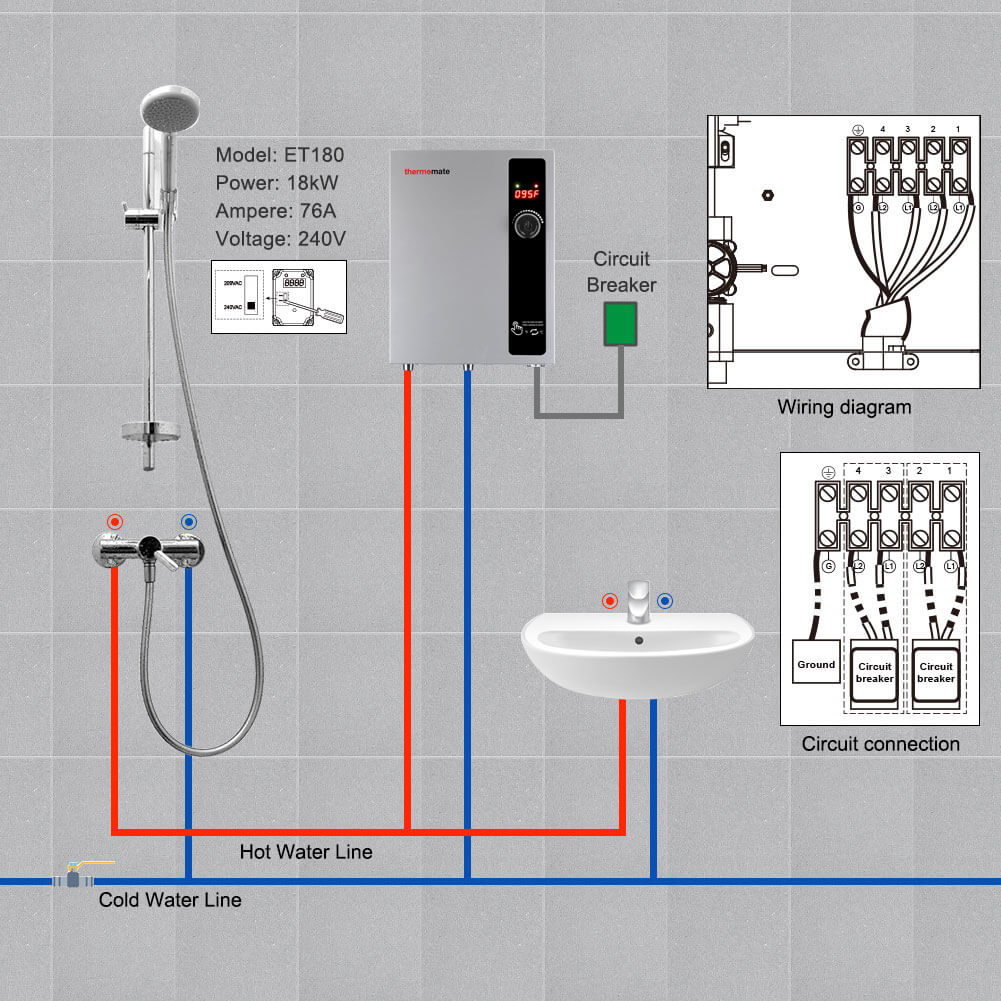
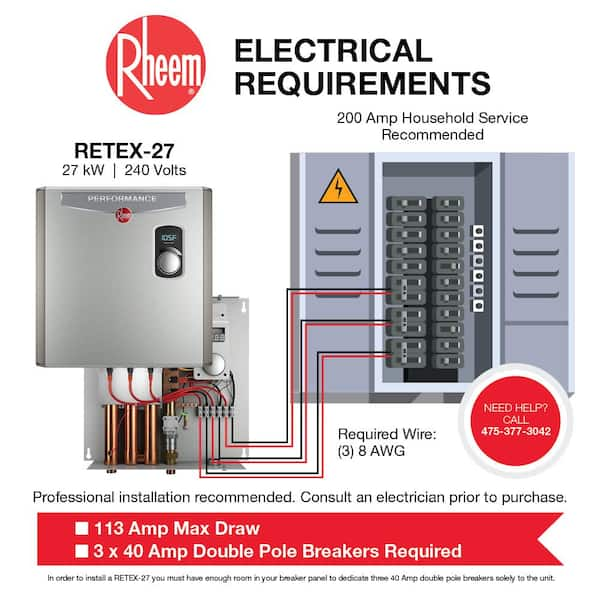
Most tankless water heaters need a high voltage to operate. Common models use 120V or 240V, with 240V being typical for larger units. Amperage varies by model but can range from 20 amps to over 100 amps. Higher amperage means more power to heat water quickly.
Choosing the right voltage and amperage avoids electrical problems. It helps prevent overloads and ensures the heater performs well. Check your model’s specifications before installation.
Circuit Breaker Specifications
Proper circuit breakers protect your electrical system from damage. The breaker must match the heater’s amperage needs. For example, a unit needing 50 amps should have a 50-amp breaker. Using a breaker with too low a rating causes trips and shutdowns.
Dedicated breakers are usually required for tankless water heaters. This setup prevents interference with other devices on the same circuit. Consult a licensed electrician to install the correct breaker size safely.
Installation Considerations
Installing a tankless water heater needs careful planning. These units use high power to heat water fast. That means the electrical setup must handle the load safely. Proper installation stops problems and keeps your home safe.
Wiring And Safety Codes
Tankless water heaters need special wiring. They require a dedicated circuit with the right amperage. Using wires too small can cause overheating or fire risks. Follow local safety codes strictly. These codes protect your home and family. A licensed electrician knows these rules well.
Ground fault circuit interrupters (GFCIs) may be needed. These devices prevent electric shocks. Proper grounding is also crucial. Check the unit’s manual for exact wiring needs. Never skip this step.
Professional Vs Diy Setup
Installing a tankless water heater is not easy. Professionals have experience with power requirements and safety. They ensure the wiring matches the unit’s demands. Mistakes can cause damage or hazards. A pro also handles permits and inspections. This saves time and trouble.
DIY installation might save money but carries risks. Without proper skills, wiring errors are common. These errors can void warranties or cause failures. Choose a professional to ensure safety and correct setup.
Energy Efficiency Tips
Energy efficiency is key to managing the power needs of a tankless water heater. Saving energy reduces electricity bills and helps the environment. Small changes can lead to big savings over time. Understanding how to use and maintain your heater properly keeps it working well and uses less power.
Reducing Power Consumption
Set the heater temperature to a moderate level, around 120°F. This prevents overheating and lowers power use. Use water-saving showerheads and faucets to reduce hot water demand. Turn off the heater when not needed, especially during long absences. Avoid running multiple hot water taps at the same time to keep energy use steady.
Maintenance For Efficiency
Regularly clean the water heater to remove scale buildup. Scale reduces heating efficiency and increases power use. Check the filters and replace them if dirty. Inspect the heater for leaks or corrosion that can waste energy. Schedule professional maintenance once a year to ensure optimal performance. A well-maintained heater uses less electricity and lasts longer.
Credit: www.homedepot.com
Troubleshooting Power Issues
Power issues with tankless water heaters can stop hot water flow. These problems cause inconvenience and need quick attention. Knowing how to troubleshoot saves time and avoids extra costs.
Check the power source first. Make sure the unit is plugged in and circuit breakers are on. Sometimes, resetting the breaker fixes the issue immediately.
Look for error codes on the display. These codes help identify electrical or internal faults. Consult the manual to understand what the codes mean.
Common Problems
Power interruptions often happen due to tripped breakers or blown fuses. Loose wiring connections inside the unit can also cause problems. Faulty power switches or damaged power cords lead to no power supply.
Sometimes, the water heater overheats and shuts off as a safety measure. This happens if power fluctuations occur or the unit is overloaded. Electrical surges can damage internal components, stopping the heater from working.
When To Call A Technician
Call a technician if the unit does not power on after basic checks. Avoid opening the heater’s internal parts to prevent injury. Professional help is essential for wiring issues or component replacement.
Seek expert service if error codes persist or reappear often. Technicians use special tools to test power flow and fix complex faults. Regular maintenance by a pro extends your heater’s lifespan and keeps it safe.
Conclusion
Choosing the right power for your tankless water heater matters. It affects how well your heater works and how much energy it uses. Check your home’s electrical system before buying. This helps avoid problems and keeps your heater running smoothly.
Proper power ensures you get hot water when you need it. Understanding these needs saves money and stress. Keep these points in mind for a smart, safe choice. Your comfort depends on it.