Is your Triangle Tube hot water heater acting up and leaving you without the warm water you rely on? You’re not alone, and the good news is many common problems can be fixed quickly with the right steps.
Understanding what might be causing your heater to malfunction can save you time, money, and frustration. In this guide, you’ll find simple troubleshooting tips that anyone can follow, helping you get your hot water back fast. Keep reading—you’re just a few easy fixes away from solving your hot water heater issues.
Common Issues
Triangle Tube hot water heaters are reliable, but they can face some common problems. These issues often affect your comfort and the unit’s efficiency. Understanding these problems helps you know what to check and fix quickly.
No Hot Water
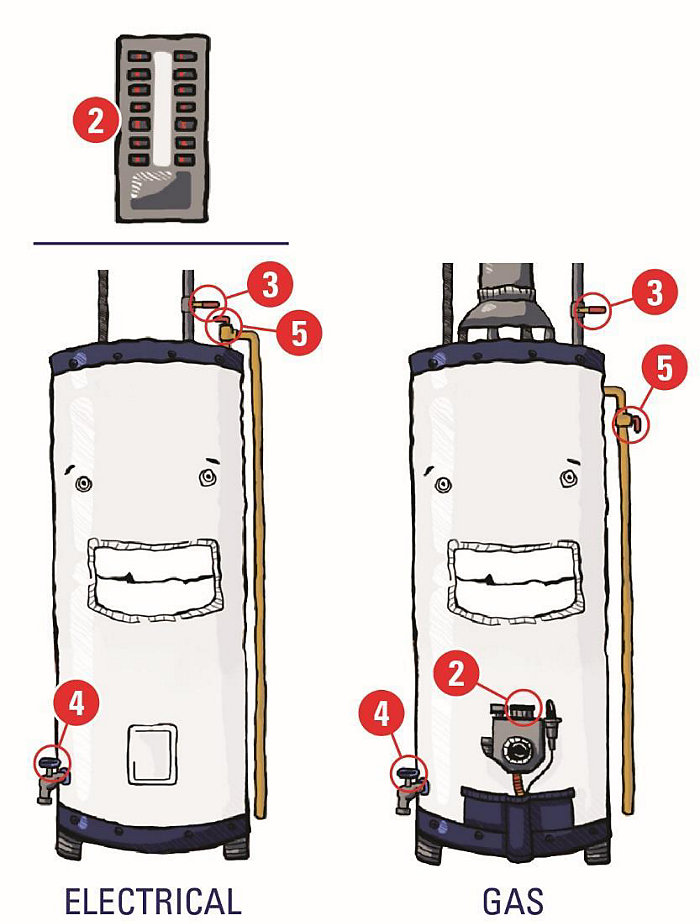
No hot water is a frequent problem. This can happen due to a faulty thermostat or a broken heating element. Sometimes, the pilot light goes out or the gas supply is interrupted. Checking these parts can help restore hot water fast.
Inconsistent Temperature
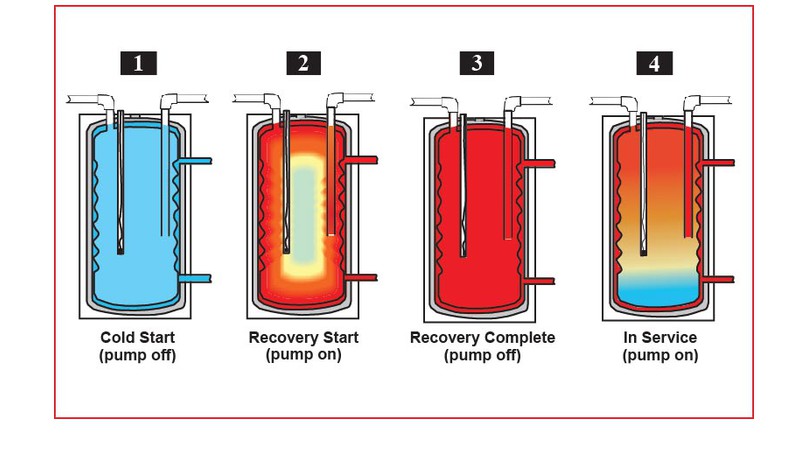
Water temperature that changes too much can be frustrating. It might be caused by a malfunctioning thermostat or sediment buildup inside the tank. Sediment reduces heating efficiency and causes uneven heat. Flushing the tank often solves this issue.
Strange Noises
Strange noises like popping or banging sounds are common signs of trouble. These noises usually come from sediment settling at the tank’s bottom. The sediment heats unevenly and creates noise. Regular cleaning can reduce or stop these sounds.
Water Leaks
Water leaks can damage your home and waste energy. Leaks often happen from loose connections, damaged pipes, or a cracked tank. Checking all fittings and the tank’s condition helps find leaks early. Fixing leaks promptly prevents bigger problems.
Credit: vixencomposites.com
Diagnostic Steps
Diagnosing issues with a Triangle Tube hot water heater starts with simple checks. These steps help find the problem quickly. Follow each carefully to avoid damage and save time.
Checking Power Supply
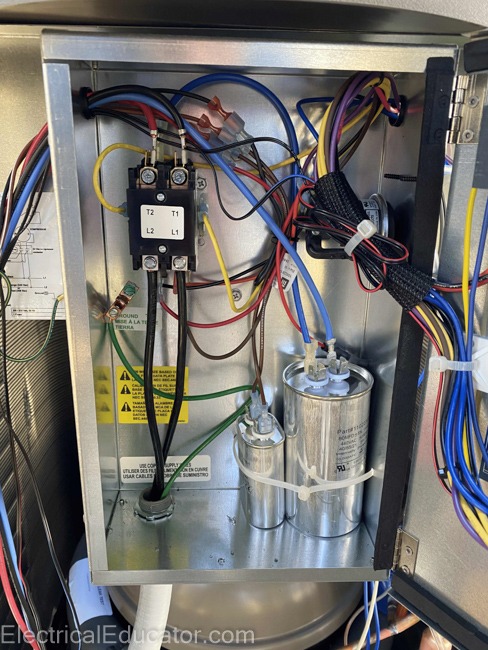
First, confirm the unit has power. Check the circuit breaker or fuse box. Reset the breaker if it is tripped. Use a voltage tester to ensure electricity reaches the heater. No power means the heater will not work.
Inspecting Thermostat Settings
Next, look at the thermostat. Make sure it is set to the right temperature. Too low a setting causes cold water. Adjust the dial to a warmer setting. Faulty thermostats may need replacement.
Examining Pilot Light
For gas models, check the pilot light. It should burn steadily and blue in color. A yellow or flickering flame signals trouble. Relight the pilot if it is out. Follow the manufacturer’s instructions carefully.
Assessing Water Pressure
Water pressure affects heater performance. Use a pressure gauge to check the pressure. Ideal pressure is usually between 40 and 60 psi. Low pressure limits hot water flow. High pressure can damage the system.
Fixing Temperature Problems
Temperature problems with your Triangle Tube hot water heater can cause discomfort and frustration. Water that is too cold or too hot may signal simple issues. Fixing these issues often starts with the thermostat and tank maintenance. Small adjustments can restore the right water temperature quickly.
Adjusting Thermostat
Check the thermostat setting first. It controls the water temperature inside the tank. Locate the thermostat panel on your heater. Use a screwdriver to remove the cover carefully. Turn the thermostat dial to increase or decrease heat. A setting of 120 degrees Fahrenheit is safe and efficient. Test the water temperature after adjustment. Repeat if the water is still not right.
Replacing Thermostat
A faulty thermostat can cause constant temperature issues. Signs include no hot water or fluctuating heat levels. Switch off power to the heater before starting. Remove the old thermostat by unscrewing it carefully. Install a new thermostat matching the model of your heater. Connect wires as they were before. Turn the power back on and test the water temperature again.
Flushing The Tank
Mineral buildup inside the tank affects heating. Flushing the tank removes sediment and improves heat transfer. Turn off the heater and close the water supply valve. Attach a hose to the drain valve at the bottom. Open the valve and drain the water into a safe area. Close the valve and refill the tank with fresh water. This process can improve water temperature and heater efficiency.
Resolving Leaks
Leaks in your Triangle Tube hot water heater can waste water and energy. Fixing these leaks quickly keeps your heater working well. This section guides you through simple steps to stop leaks. Each step targets a common leak source.
Tightening Connections
Loose pipes or fittings cause many leaks. Check all visible connections around your heater. Use a wrench to gently tighten each one. Avoid over-tightening; it can damage threads. Tight connections stop water from dripping or spraying out.
Replacing Faulty Valves
Valves control water flow and pressure. A broken valve often leaks water. Test valves by turning them on and off. Replace any valve that drips or won’t close fully. New valves ensure proper water control and stop leaks.
Repairing Tank Corrosion
Corrosion weakens the tank and creates leaks. Look for rust spots or wet areas on the tank surface. Small rust patches can be cleaned and sealed with special paint. Large corrosion or holes need professional repair or tank replacement. Fixing corrosion protects your heater’s lifespan.
Addressing Noises
Strange noises from your Triangle Tube hot water heater can be annoying. These sounds often signal common issues. Fixing them early helps your heater work better and last longer.
Removing Sediment Buildup
Sediment buildup causes rumbling or popping noises. Minerals settle at the tank’s bottom over time. Flushing the tank clears these deposits. Turn off the power and water supply first. Attach a hose to the drain valve. Let the water flow out until clear. This process removes sediment and reduces noise. Regular flushing keeps your heater quiet and efficient.
Checking Heating Elements
Heating elements may cause buzzing or humming sounds. They can wear out or get covered in mineral deposits. Turn off the power before checking. Remove the access panel to see the elements. Look for signs of damage or corrosion. Replace faulty elements to stop noises. Clean elements improve heating and reduce sound.
Credit: www.meblenicol.eu
Safety Precautions
Safety is the first step in troubleshooting your Triangle Tube hot water heater. Taking precautions protects you from harm and prevents damage to the unit. Simple safety rules keep the process smooth and safe. Follow these steps carefully before starting any repairs or checks.
Turning Off Power
Always switch off the power supply before working on the heater. Locate the circuit breaker or unplug the unit. This stops electric shocks and accidents. Double-check that the power is off using a tester. Never skip this step to stay safe.
Handling Gas Components
Gas parts need special care. Turn off the gas valve before touching any gas lines or burners. Avoid smoking or using open flames near the heater. Check for gas smells and leaks with soapy water or a gas detector. Proper handling prevents dangerous gas leaks and fires.
Using Proper Tools
Use the right tools for each task. Choose insulated screwdrivers and wrenches for electrical and gas parts. Avoid makeshift tools that can slip or break. Proper tools help you work safely and avoid damage. Keep tools clean and in good condition.
When To Call A Professional
Triangle Tube hot water heaters are reliable, but sometimes problems arise. Knowing when to call a professional saves time and prevents damage. Some repairs need special tools and skills. Other issues may be unsafe to handle alone.
Complex Repairs
Some problems go beyond basic fixes. Complex repairs include replacing parts inside the heater. Professionals have the right tools and knowledge. They ensure repairs meet safety standards. Attempting these fixes without experience can cause more damage.
Gas Line Issues
Gas line problems are dangerous. Leaks or blockages require immediate attention. Only certified technicians should work on gas lines. They know how to detect leaks and fix them safely. Handling gas issues alone risks fire or poisoning.
Persistent Problems
When the heater breaks down repeatedly, a pro should check it. Persistent problems may signal deeper issues. Experts can diagnose hidden faults. Their solutions improve heater performance and avoid future breakdowns. Don’t ignore ongoing troubles.
Credit: triangletube.com
Frequently Asked Questions
How Do I Reset My Triangle Tube Hot Water Heater?
To reset, locate the reset button on the heater’s control panel. Press and hold it for 5 seconds. This restarts the system and clears minor errors. Always consult the manual before resetting to avoid damage.
Why Is My Triangle Tube Heater Not Producing Hot Water?
Check the thermostat settings and power supply first. A faulty heating element or clogged pipes can cause no hot water. Regular maintenance ensures optimal performance and prevents common issues.
What Causes Triangle Tube Water Heater Leaks?
Leaks often result from loose connections, damaged valves, or corrosion. Inspect pipes and fittings regularly. Replace worn-out parts promptly to avoid water damage and maintain efficiency.
How Can I Troubleshoot Triangle Tube Heater Pilot Light Issues?
Pilot light issues may stem from gas supply problems or a dirty thermocouple. Clean the pilot assembly and ensure gas flow is uninterrupted. If unresolved, seek professional service to avoid hazards.
Conclusion
Troubleshooting your Triangle Tube hot water heater can save time and money. Check common issues like power supply, thermostat settings, and water pressure first. Simple fixes often solve most problems. Regular maintenance helps keep the heater running smoothly. If problems persist, calling a professional is wise.
Understanding your heater’s basics makes troubleshooting easier. Stay patient and follow safety steps carefully. This approach keeps your hot water flowing without stress.