Are you tired of inconsistent hot water or strange noises coming from your water heater? You might be dealing with water heater check valve problems, an issue more common than you think.
A malfunctioning check valve can disrupt your daily routine, leaving you frustrated and searching for answers. Imagine stepping into a shower only to be greeted by a blast of cold water—it’s a scenario none of us want to face. But before you dial up a plumber, there’s good news: many of these issues can be understood and addressed with a little knowledge.
We’ll unravel the mystery behind check valve problems, offering you insights and solutions that could save you time and money. Stay with us, and you might just discover the simple tweak needed to restore your water heater’s performance and reclaim your comfort.
Credit: www.youtube.com
Common Symptoms
A faulty check valve in your water heater can cause several issues. Recognizing these symptoms early can prevent bigger problems. Look for signs of trouble to keep your heater running smoothly.
Inconsistent Water Temperature
Does your shower switch from hot to cold unexpectedly? This could mean a check valve issue. The valve may not regulate flow properly. This inconsistency can make showers uncomfortable.
Noisy Operation
Strange sounds from your water heater can signal trouble. Listen for banging or clanging noises. These often mean the check valve is malfunctioning. Addressing this quickly is important.
Reduced Water Pressure
Notice weak water flow? A problematic check valve might be the cause. Reduced pressure can make washing dishes or showering frustrating. A clear sign that your water heater needs attention.

Credit: www.tiktok.com
Causes Of Check Valve Issues
Check valves in water heaters play a crucial role. They prevent backflow and maintain water pressure. But, issues often arise with these components. Understanding the causes helps in addressing them effectively.
Mineral Buildup
Hard water contains minerals like calcium and magnesium. These minerals can accumulate over time. This buildup can obstruct the check valve. Restricted flow can lead to inefficiency. Regular maintenance can mitigate this problem.
Valve Wear And Tear
Constant use of water heaters leads to wear. The check valve experiences stress from frequent operation. Over time, this stress affects performance. Cracks and leaks might develop. These issues compromise the valve’s function. Regular inspections help in early detection.
Improper Installation
Installation errors can cause immediate problems. Incorrect alignment affects the valve’s efficiency. It can lead to leaks or blockages. Professionals should handle installations. Proper setup ensures optimal performance.
Tools And Materials Needed
Maintaining your water heater involves checking the valve regularly. It’s essential to ensure it functions correctly. This task requires specific tools and materials for a successful repair or replacement. Gathering the right items can simplify the process and prevent further issues. Below, you’ll find a detailed list of everything you need.
Basic Tools
Several basic tools are necessary for checking the valve. A wrench is crucial for loosening and tightening connections. You’ll need pliers to grip and remove parts safely. A screwdriver is useful for taking apart and reassembling components. Have a bucket handy to catch any leaking water.
Replacement Parts
Sometimes, the valve needs replacement. It’s wise to have spare parts ready. Purchase a new check valve that matches your heater model. Ensure compatibility to avoid future problems. Having seals and washers can prevent leaks. Check the size and type before buying.
Safety Gear
Safety should never be ignored. Wear gloves to protect your hands from sharp objects. Safety goggles are important to shield your eyes from debris. Consider a waterproof apron to keep yourself dry. Proper gear minimizes risk and enhances safety during the repair.
Step-by-step Troubleshooting
Identifying water heater check valve issues ensures efficient operation. Begin by inspecting for leaks or unusual noises. Check for blockages that might restrict water flow, causing reduced efficiency.
Water heater check valve problems can be a real headache, especially when you’re looking forward to a hot shower. But don’t worry, with a bit of patience and a few tools, you can troubleshoot these issues on your own. Let’s walk through the step-by-step troubleshooting process, so you can get your water heater back in tip-top shape.Inspecting The Valve
Start by turning off the water supply and the power to your water heater. Safety first! Next, locate the check valve. It’s typically found near the top of the water heater, resembling a small metal device with an arrow indicating the flow direction. Check for any visible signs of damage or wear, such as cracks or leaks. A flashlight can help you spot hard-to-see issues. Ask yourself: Is the valve installed in the correct direction? If the arrow doesn’t match the flow of water, it’s a problem you’ll need to fix.Cleaning The Valve
Sometimes, the problem is as simple as a clogged valve. Over time, mineral deposits and debris can accumulate, restricting water flow. To clean the valve, carefully remove it using a wrench. Make sure you have a bucket handy to catch any excess water. Use a small brush or toothbrush to gently scrub away any buildup. Rinse the valve under running water to remove all debris. Reattach the valve, ensuring it’s securely tightened. Test your water heater—does it flow more smoothly now?Replacing The Valve
If cleaning doesn’t solve the issue, it might be time to replace the valve. Purchase a new check valve that matches your existing one. Remove the old valve using your wrench, being cautious of any remaining water. Install the new valve, aligning the flow arrow with the direction of water flow. Tighten it securely, and turn the water supply and power back on. Listen closely—do you hear the satisfying sound of water running freely? If yes, your new valve is doing its job. Troubleshooting a water heater check valve doesn’t have to be daunting. By following these steps, you’re well on your way to ensuring a steady stream of hot water. Have you encountered other water heater issues? How did you tackle them? Share your experiences in the comments!Preventive Maintenance Tips
Water heater check valves play a crucial role in your home’s plumbing system. They prevent backflow and ensure efficient water heating. Yet, without proper maintenance, these valves can cause significant issues. Regular maintenance can help avoid unexpected problems and costly repairs. Let’s explore some preventive maintenance tips to keep your water heater running smoothly.
Regular Inspections
Check your water heater regularly for any signs of trouble. Listen for unusual noises or vibrations. Examine the check valve for visible damage or leaks. Early detection can save you from major repairs later.
Flushing The System
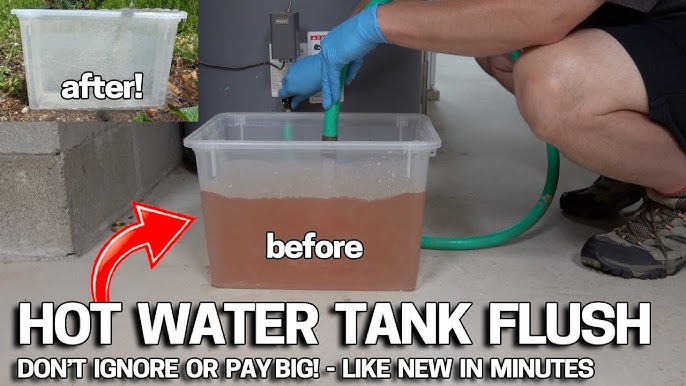
Flush your water heater system every six months. This helps remove sediment buildup. Sediments can block the check valve, affecting performance. Follow the manufacturer’s guidelines for safe flushing.
Monitoring Water Quality
Water quality affects your water heater’s lifespan. Hard water can lead to mineral buildup. Use a water softener if your water is hard. Test water regularly to ensure it’s not too acidic or alkaline.
When To Call A Professional
A malfunctioning water heater check valve can quickly become a headache. While some issues can be resolved with a DIY approach, there are times when you should call a professional. Knowing when to seek expert help can save you time, money, and avoid potential hazards. Here are some situations that warrant a call to the professionals:
Complex Issues
Not all check valve problems are straightforward. If you’re facing intricate issues like a valve that seems stuck or a system that’s making unusual noises, you might be out of your depth. Have you ever tried fixing something only to make it worse? Avoid this pitfall and consider reaching out for professional assistance.
Professionals have the tools and expertise to diagnose complex issues. They can pinpoint underlying problems that might not be immediately apparent. Investing in their skills could prevent further damage and costly repairs down the line.
Persistent Problems
If you’ve tried multiple solutions but the problem persists, it’s time to reevaluate. You may have attempted to fix a check valve issue yourself, but if the problem keeps coming back, it’s a clear sign you need professional help.
Persistent issues might indicate a deeper problem within your plumbing system. Don’t let frustration lead to rash decisions that could worsen the situation. Instead, ask yourself: Is it worth risking further damage? A professional can offer a lasting solution.
Safety Concerns
Water heater issues can pose safety risks. Leaks, faulty valves, or pressure problems could lead to accidents or even dangerous situations. If you suspect any safety concerns, it’s crucial to call a professional immediately.
Your safety should be the priority. Imagine the peace of mind knowing a skilled technician has ensured your system is safe and functioning correctly. Don’t wait for a minor issue to become a major hazard—act promptly and seek expert guidance.
Have you ever hesitated to call a professional, only to regret it later? When it comes to your water heater, don’t take unnecessary risks. Evaluate the situation, consider the potential consequences, and make the smart choice to call in an expert.

Credit: www.youtube.com
Frequently Asked Questions
How Do You Know If A Check Valve Is Bad?
A bad check valve causes reverse flow, unusual noises, or leaks. Reduced system efficiency may also indicate an issue. Check for vibrations or pressure drops. Inspect for visible damage or wear. Regular maintenance can prevent failures.
How Do You Know If Your Pressure Relief Valve Is Bad?
A bad pressure relief valve may cause frequent leaks or unusual noises. It might fail to release pressure, causing system malfunctions. Check for visible corrosion or damage around the valve. If the system pressure remains unstable, consider inspecting or replacing the valve to ensure proper functioning.
What Is The Life Expectancy Of A Check Valve?
Check valves typically last 10-15 years, depending on usage and maintenance. Regular inspections ensure optimal performance. Quality materials and installation also influence longevity. Proper care prolongs lifespan, preventing failures. Choose trusted brands for reliability. Always follow manufacturer’s guidelines for maintenance and replacement.
What Are The Symptoms Of A Swing Check Valve Failure?
A swing check valve failure often causes leaks, reverse flow, or unusual noises. The valve may not fully close, leading to water hammer. Reduced system efficiency and erratic pressure changes can also indicate failure. Regular inspection helps identify issues early, preventing system damage.
Conclusion
Solving water heater check valve issues ensures smooth operation. Regular maintenance can prevent costly repairs. Spotting early signs helps avoid big problems later. Always prioritize safety when dealing with water heaters. Consult a professional if unsure about DIY fixes. Proper functioning check valves save energy and water.
They also extend the heater’s lifespan. A little attention now can save headaches later. Keep an eye on your water heater. It’s worth the effort for peace of mind. Remember, a well-maintained system benefits your home and wallet. Stay proactive with your water heater care.