Are you tired of constantly replacing your water heater element? If so, you’re not alone.
A water heater element that keeps burning out can be incredibly frustrating and costly. But what if there were simple solutions to this recurring problem? Imagine a home where hot water flows effortlessly, and your water heater works flawlessly without the need for constant repairs.
You deserve peace of mind, knowing your water heater is reliable. We’ll dive into the reasons why your water heater element might be failing and provide actionable solutions to keep your water heater running smoothly. Let’s get to the root of the problem and save you time, money, and stress.
Common Causes
Faulty thermostats or sediment buildup often cause water heater elements to burn out. Incorrect voltage can also lead to frequent failures. Regular maintenance helps prevent these issues.
Sediment Buildup
Have you ever noticed a gritty feeling at the bottom of your water heater tank? That’s sediment buildup. Over time, minerals like calcium and lime accumulate, especially if you have hard water. This buildup can insulate the heating element, causing it to overwork and eventually burn out. Flushing your tank regularly can help reduce this risk and extend the life of your element.Faulty Thermostat
A malfunctioning thermostat can be a silent saboteur. If your thermostat isn’t reading temperatures correctly, it might cause the element to heat water more than necessary. Consistently high temperatures can wear out the element prematurely. Checking and replacing faulty thermostats can save you from frequent replacements and keep your energy bills in check.Incorrect Voltage
Have you checked if your water heater is receiving the correct voltage? Voltage mismatches can lead to significant issues. If your heater operates on a higher voltage than necessary, the element can burn out faster. Consult your heater’s manual or a professional to ensure it’s set up correctly. This small step can prevent substantial wear and tear.Dry Firing Issues
Picture this: You turn on your water heater, but the tank isn’t full. This scenario, known as dry firing, can be disastrous for the heating element. Without water to heat, the element can quickly overheat and fail. Always ensure your tank is full before powering on the heater, especially after maintenance or cleaning. Ask yourself, when was the last time you checked these potential issues? Taking a moment to inspect these areas can save you from frequent headaches and costly repairs. Your water heater’s longevity might just depend on it.
Credit: www.reddit.com
Identifying Symptoms
Water heater issues can be frustrating, especially when the element keeps burning out. Recognizing the symptoms early can save time and money. Understanding the signals helps address the problem swiftly. Knowing what to look for is key.
Unusual Noises
Listen for strange sounds from your water heater. Clicking or popping noises signal a problem. These sounds may indicate sediment buildup. Sediment can cause the element to overheat. This leads to frequent burnout.
Inconsistent Water Temperature
Notice changes in water temperature. Hot water might suddenly turn cold. This inconsistency suggests a faulty element. The element struggles to maintain the desired temperature. Regular temperature shifts are a clear warning sign.
Frequent Element Replacements
Track how often the element needs replacing. Frequent changes signal a deeper issue. The element should last for years. Replacing it every few months is unusual. This recurrence hints at underlying problems.
Testing The Thermostat
Testing the thermostat can prevent your water heater element from burning out. Faulty thermostats often lead to overheating. This damages the element and causes frequent replacements. Regular checks can ensure your thermostat functions correctly. You can do this with simple tools and a clear process.
Tools Needed
Gather a screwdriver, multimeter, and safety gloves. These will help you safely test the thermostat. Ensure the multimeter is functioning well. Safety gloves protect you from electric shock. Using the right tools makes the process smooth and safe.
Step-by-step Process
First, turn off the power supply to the heater. This prevents any accidents during testing. Next, remove the access panel with a screwdriver. You will see the thermostat beneath the panel.
Use the multimeter to test the thermostat. Set the multimeter to the resistance setting. Connect the probes to the thermostat terminals. A reading of zero indicates a faulty thermostat.
Replace the thermostat if the reading is zero. This ensures the element does not overheat. Finally, reattach the access panel securely. Turn the power back on and check the heater’s performance.
Inspecting For Sediment
A water heater element burning out often relates to sediment buildup. Sediment forms from minerals in the water. These minerals settle at the tank’s bottom. Over time, sediment can cause multiple issues. It reduces heating efficiency and damages elements.
Regular inspection for sediment is crucial. It ensures your water heater functions efficiently. Two main tasks help in this inspection. Draining the tank and checking for debris.
Draining The Tank
Draining your water heater tank is essential. It removes sediment accumulation. First, turn off the power supply to the heater. This step ensures safety during the process. Next, attach a garden hose to the tank’s drain valve. Place the hose’s other end in a safe drainage area.
Open the drain valve slowly. Let the water flow out completely. This process flushes out sediment. Refill the tank once the water runs clear. Turn the power back on after refilling. Regular draining extends your heater’s lifespan.
Checking For Debris
Debris can accumulate around the heating element. It causes the element to burn out. After draining, inspect the interior of the tank. Look for any debris or mineral deposits. Use a flashlight for better visibility.
Gently remove visible debris. Use a cloth or soft brush to clean the area. Ensure no debris remains near the heating element. Regular checks help maintain efficiency. They prevent future problems with your heater.
Ensuring Proper Voltage
Proper voltage is crucial for preventing water heater elements from burning out. Incorrect voltage leads to overheating and element failure. Regular checks can help maintain the right voltage, ensuring the longevity of your water heater.
When a water heater element keeps burning out, one key issue could be improper voltage. Ensuring proper voltage is crucial for the longevity of your water heater. It safeguards the heating element from overheating and burning out. Let’s delve into how you can ensure your water heater is getting the correct voltage.Using A Multimeter
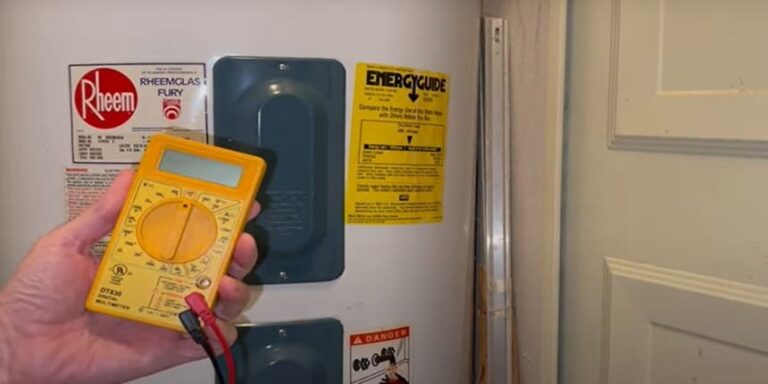
To measure voltage, a multimeter is your best friend. It’s an essential tool that allows you to check if your water heater is receiving the right amount of power. Before you start, ensure the power to the water heater is turned off to avoid any accidents. Once you’re ready, set your multimeter to the AC voltage setting. Carefully place the probes on the terminals of the heating element. This will give you a voltage reading. It’s a straightforward process, but it requires attention to detail.Interpreting Voltage Readings
Reading the voltage on your multimeter might seem daunting, but it’s simpler than it looks. You’re looking for a reading that matches the voltage rating of your heater, usually found on its label or in the manual. A deviation could indicate an issue. If the voltage is too high, your heating element might be receiving more power than it can handle, leading to burnout. Conversely, if the voltage is too low, the element may not heat effectively. This imbalance can also contribute to premature failure. Understanding these readings helps you make informed decisions about necessary adjustments or repairs. Are you regularly checking your water heater’s voltage? Doing so could save you the hassle and cost of frequently replacing burnt-out elements. Remember, a small step like using a multimeter can make a big difference in maintaining your water heater’s efficiency and lifespan.
Credit: www.reddit.com
Preventive Maintenance
Preventive maintenance is key to extending the life of your water heater. Regular care helps avoid frequent element burnouts. By following simple steps, you can ensure your heater runs efficiently. This not only saves money but also prevents unexpected cold showers.
Regular Tank Flushing
Flushing your tank removes sediment buildup. Sediment can cause the element to overheat and burn out. Experts recommend flushing the tank every six months. This simple task can prolong the life of your heater. It also improves heating efficiency.
Annual Inspections
Annual inspections help identify potential issues early. A professional can spot signs of wear and tear. They can check the thermostat and heating elements. Addressing small problems prevents larger issues. This yearly check-up keeps your water heater running smoothly. It’s a simple step to avoid costly repairs.
Seeking Professional Help
When your water heater element keeps burning out, it can be frustrating. You might find yourself asking, “Why does this keep happening?” While some issues can be solved with a quick DIY fix, others demand the expertise of a professional. Seeking professional help can be the difference between a temporary fix and a long-term solution. This section will guide you on when to call an expert and how to choose a qualified technician.
When To Call An Expert
Do you hear strange noises from your water heater? Persistent clicking or banging sounds might signal a deeper issue. If you’ve replaced the element multiple times and it still burns out, it’s time to call in a professional.
Another sign is fluctuating water temperatures. Your water may be scalding one minute and icy the next. This inconsistency can indicate a problem beyond a simple element replacement. A technician can diagnose the underlying issue.
Water leaks are another red flag. A leaking heater can lead to costly water damage. If you notice puddles or moisture near your heater, don’t wait to seek professional help.
Choosing A Qualified Technician
Finding the right technician can feel daunting. Start by asking friends or family for recommendations. Personal experiences can offer insights into a technician’s reliability and skill.
Check online reviews. Websites like Yelp or Angie’s List can provide feedback from past customers. Look for technicians with consistent positive reviews and avoid those with frequent complaints.
Verify their credentials. Ensure the technician is licensed and insured. This protects you from potential liabilities and assures you of their expertise. Check if they belong to professional associations as it reflects their commitment to quality service.
Don’t hesitate to ask questions. Inquire about their experience with water heaters and any specific training they have. An expert should be able to explain potential solutions clearly and confidently.
Have you ever had to call a professional for a seemingly simple issue? Share your experiences in the comments below. Your story might just help someone make the right decision!

Credit: www.reddit.com
Frequently Asked Questions
Why Is The Heating Element Going Out In My Water Heater?
Heating elements fail due to sediment buildup, electrical issues, or old age. Regular maintenance can prevent problems. Inspect wiring and connections for damage. Replace elements if necessary. Ensure proper installation to extend lifespan. Consider professional inspection for persistent issues. Keep your water heater clean to avoid sediment-related damage.
Why Do Hot Water Heater Elements Go Bad?
Hot water heater elements fail due to sediment buildup, corrosion, or mineral deposits. Hard water accelerates this process. Regular maintenance can prevent damage. Fluctuating electricity levels or faulty thermostats may also cause issues. Replace elements promptly to ensure efficient water heating.
How Long Should A Hot Water Heater Element Last?
A hot water heater element typically lasts 6 to 10 years. Lifespan varies based on usage and maintenance. Regular checks and proper maintenance can extend its life. Hard water may reduce its longevity. Replacing it when worn ensures efficient heating and energy savings.
Why Does The Burner On My Water Heater Keep Going Out?
The burner on your water heater may keep going out due to a faulty thermocouple, dirty pilot light, or gas supply issues. Check for blockages and ensure proper ventilation. Regular maintenance can prevent these issues and ensure efficient functioning of your water heater.
Conclusion
Resolving water heater element issues is crucial for efficiency. Regular checks can prevent burnout. Ensure your heater settings are correct. Hard water can cause problems, too. Install a water softener if needed. Always use quality elements and hire professionals for help.
These steps will extend your water heater’s life. A working heater means warm showers and reduced costs. Stay proactive to avoid recurring issues. Your home deserves a reliable water heater. Enjoy consistent hot water every day. Simple maintenance makes all the difference.
Keep your heater in top shape for peace of mind.