Is your water heater shutting off after just 5 minutes? You’re not alone, and this sudden stop can be more than just a minor annoyance.
Imagine stepping into a warm shower only to be left in cold water moments later. Frustrating, right? Understanding why this happens is the first step to fixing it quickly and avoiding bigger problems. You’ll discover the common reasons behind this issue and simple solutions you can try right now.
Let’s get your water heater running smoothly again—so you never have to worry about cold showers again.

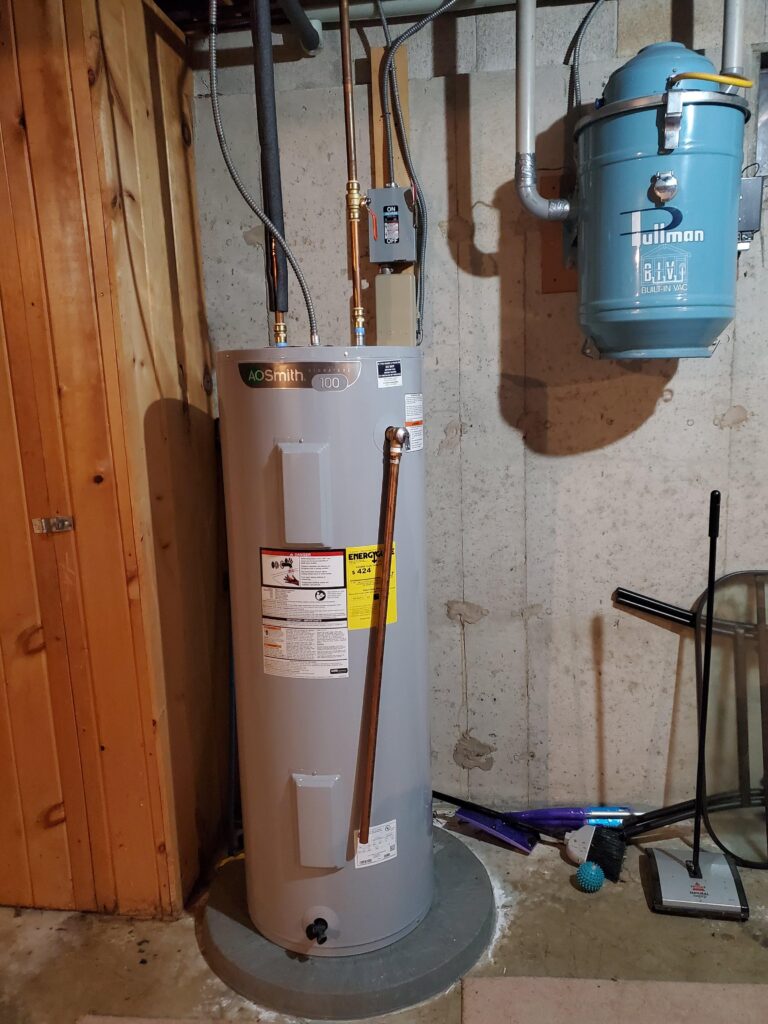
Credit: www.amazon.com
Common Causes Of Early Shutoff
Water heaters shutting off after only a few minutes is a common problem. This issue often points to specific causes inside the unit. Knowing these can help you fix the problem quickly and avoid cold showers.
Several parts of a water heater can cause it to stop early. These include the thermostat, sediment buildup, thermocouple, gas supply, and electrical system. Each part plays a key role in the heater’s operation.
Thermostat Issues
The thermostat controls the water temperature. If it is set too low, the heater may shut off early. A broken thermostat can also send wrong signals. This causes the heater to turn off before heating enough water.
Sediment Buildup
Over time, minerals settle at the bottom of the tank. This sediment reduces heating efficiency. It can cause the heater to overheat and shut off quickly. Regular cleaning helps prevent this problem.
Faulty Thermocouple
The thermocouple senses the pilot light. If it fails, the gas valve shuts off for safety. This stops the heater after a few minutes. Replacing a bad thermocouple restores normal function.
Gas Supply Problems
Low or interrupted gas supply affects heating. The burner cannot stay lit without steady gas flow. This makes the water heater turn off early. Checking gas lines and valves is important.
Electrical Malfunctions
Electric water heaters rely on wiring and control boards. Faulty electrical parts can cause early shutdowns. Loose wires or damaged controls stop the heater from running. Inspection and repair fix these issues.

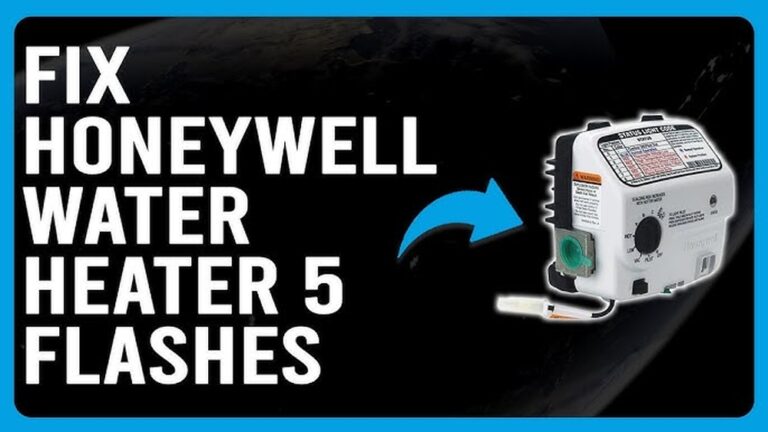
Credit: www.youtube.com
Safety Precautions Before Repairs
Repairing a water heater that shuts off after 5 minutes requires careful safety steps. These precautions protect you from electric shocks, gas leaks, and other dangers. Follow these simple but important actions before starting any repair work.
Turn Off Power Or Gas
Always switch off the power supply to the water heater. For electric heaters, turn off the circuit breaker. For gas heaters, close the gas valve. This prevents accidents and injuries during repair.
Ventilate The Area
Open windows and doors to allow fresh air in. Proper ventilation helps remove harmful gases and fumes. It keeps the repair space safe and comfortable.
Use Protective Gear
Wear safety gloves and goggles before touching the heater. Use a mask if dust or fumes are present. Protective gear lowers the risk of cuts, burns, and breathing problems.
Quick Fixes To Try
Water heaters shutting off after five minutes can be frustrating. Many common problems have quick fixes. Trying these easy steps can save time and money. Most do not need a professional visit.
Reset The Water Heater
Locate the reset button on your water heater. It is usually red and found near the thermostat. Press the button firmly until you hear a click. This action can clear minor errors causing shutdowns. Wait a few minutes and check if the heater stays on.
Clean The Thermocouple
The thermocouple senses the pilot light and controls gas flow. Dirt or soot can block it. Turn off the gas and power first. Remove the thermocouple carefully and wipe it with fine sandpaper or a soft cloth. Reinstall it and turn the gas back on. This often fixes pilot light issues.
Adjust The Thermostat
Check the thermostat setting on your heater. It may be set too low, causing early shutoff. Increase the temperature slightly by a few degrees. Avoid setting it too high to save energy and prevent burns. Test the heater after adjustment to see if it runs longer.
Flush Sediment From Tank
Sediment buildup inside the tank can cause overheating and shutdown. Turn off the water and power supply. Attach a hose to the drain valve and empty the tank. Flush until the water runs clear. This process improves heater efficiency and lifespan.
Check Gas Supply And Connections
Ensure the gas valve is fully open. Inspect gas lines for leaks or damage. Tighten any loose connections carefully. Use a soap solution to spot leaks; bubbles indicate a problem. Proper gas flow is critical for continuous heating.
When To Call A Professional
Knowing when to call a professional can save time and prevent damage. Some water heater issues need expert attention. Simple fixes may work at first, but problems that come back need help. Safety matters most, especially with gas and electricity involved. Recognize signs that mean it is time for a pro.
Persistent Shutoff Issues
If your water heater shuts off after 5 minutes every time, the problem may be serious. Repeated shutdowns can harm the unit and waste energy. A professional can find hidden causes and fix them correctly. Avoid guessing or DIY repairs that don’t last.
Gas Leak Suspicions
Smelling gas near your water heater is dangerous. Gas leaks can cause fires or explosions. Do not try to fix this yourself. Call a professional immediately to check for leaks and repair them safely. Quick action protects your home and family.
Electrical Component Failures
Water heaters use electrical parts like thermostats and heating elements. Faulty parts may cause the heater to stop working. A professional can test and replace these parts safely. Avoid electric shocks or further damage by calling an expert.
Preventive Maintenance Tips
Preventive maintenance helps keep your water heater working well. Small checks stop big problems. Regular care saves money and time. It also extends the heater’s life. Follow these simple steps to avoid shutdowns after five minutes.
Regular Flushing Schedule
Flush your water heater every six months. Sediment builds up inside the tank. This layer blocks heat transfer. It causes the heater to overheat and shut off. Flushing clears out minerals and dirt. Use cold water to flush the tank. This keeps your heater efficient and safe.
Thermocouple Inspection
Check the thermocouple regularly. This part senses the pilot flame. A dirty or damaged thermocouple can stop the gas supply. That leads to the heater turning off quickly. Clean the thermocouple gently with fine sandpaper. Replace it if it looks worn out. This keeps your heater running smoothly.
Monitor Gas Pressure
Gas pressure must be steady and correct. Low or high pressure affects the pilot light. It can cause the heater to shut off early. Use a gas pressure gauge to check levels. Call a professional if you see irregular readings. Proper gas flow ensures safe and steady heating.
Annual Professional Checkup
Hire a technician once a year. Experts find hidden issues early. They inspect all parts, including valves and burners. Professionals clean and adjust the heater for best performance. Regular checkups prevent sudden shutdowns and extend heater life.
Credit: www.walmart.com
Frequently Asked Questions
Why Does My Water Heater Shut Off After 5 Minutes?
Your water heater likely has a faulty thermostat or a tripped safety switch. It could also be due to sediment buildup or a gas supply issue. A professional inspection can diagnose and fix the problem to ensure proper heating.
How Can I Fix A Water Heater That Shuts Off Quickly?
Check the thermostat settings and reset the pilot light if needed. Clean any sediment buildup and inspect the gas supply valve. If the problem persists, contact a licensed technician for a thorough diagnosis and repair.
Is A Faulty Thermostat Causing The Water Heater To Shut Off?
Yes, a faulty thermostat can cause premature shutoff. It may inaccurately detect water temperature and turn off the heater too soon. Replacing or repairing the thermostat often resolves this issue and restores consistent heating.
Can Sediment Buildup Make My Water Heater Turn Off Early?
Sediment buildup reduces heating efficiency and can cause the water heater to shut off prematurely. Flushing the tank regularly removes sediment and improves performance. Regular maintenance prevents this common issue.
Conclusion
A water heater that shuts off quickly can cause big problems. Check the power supply and thermostat settings first. Sediment buildup or a faulty part might be the cause. Regular cleaning and maintenance help your heater last longer. Call a professional if the problem stays.
Keeping your water heater working well saves energy and money. Don’t ignore small issues—they can grow fast. Stay safe and enjoy warm water without interruptions. Simple steps can make a big difference.