Is your water heater safely secured? If not, you could be facing serious risks when an earthquake or strong shake hits.
Understanding the water heater strap code is crucial for protecting your home and family. You’ll discover exactly what these codes mean, why they matter, and how you can make sure your water heater meets the right safety standards. Don’t wait until it’s too late—read on to find out how a simple strap can save you from costly damage and danger.

Credit: signaturemore.com
Why Water Heater Straps Matter
Water heater straps are simple but important safety tools. They keep your water heater stable. This is very important in places where earthquakes happen. Without straps, a water heater can tip over easily. This can cause serious problems in your home.
Straps help secure the water heater to the wall. This stops it from moving or falling during shaking. Many building codes now require these straps. They protect your home and the people living inside.
Preventing Damage During Earthquakes
Earthquakes shake the ground strongly. Water heaters are heavy and tall. Without straps, they can fall or break. This can cause leaks or fires. Straps hold the heater firmly in place. They reduce the chance of damage during shaking. This saves you money and trouble later.
Protecting Your Home And Family
A falling water heater is dangerous. It can cause water leaks that flood your home. Gas water heaters can leak gas, which is very risky. Straps stop the heater from tipping over. This protects your family from injury and harm. They also prevent costly repairs to your home.
Local And National Code Requirements
Water heater straps help keep your water heater safe during earthquakes or strong winds. Local and national codes often require these straps. Following these rules protects your home and family from damage and injury. Understanding the requirements helps you install the right straps correctly.
Building Codes That Mandate Strapping
Many building codes require water heater straps. The International Residential Code (IRC) includes rules for securing water heaters. These codes aim to prevent water heater movement during shaking or impact. Straps must be strong and placed at specific heights on the tank.
Local codes often adopt or add to national codes. They specify the type and placement of straps needed. Builders and homeowners must follow these codes to pass inspections. Proper strapping reduces fire and flood risks caused by broken pipes.
Variations Across States And Regions
States and regions have different rules for water heater straps. Areas prone to earthquakes, like California, have stricter codes. They require additional straps and stronger materials to secure heaters. Less risky areas may have simpler or no specific requirements.
Some states require inspections to ensure proper installation. Others provide guidelines but leave enforcement to local authorities. Knowing local rules is key before installing or replacing water heater straps. This knowledge keeps your home safe and code-compliant.
Types Of Water Heater Straps
Water heater straps help keep your heater safe and secure. They stop it from moving during earthquakes or strong shakes. Different types of straps suit different needs and setups. Choosing the right type matters for safety and durability.
Straps come mainly in two types: metal and fabric. Each type has its own features and benefits. Knowing these helps you pick the best one for your water heater.
Metal Vs. Fabric Straps
Metal straps are strong and rigid. They hold the heater tightly and resist bending. Metal straps last long and offer firm support. They work well in places with high risk of shaking.
Fabric straps are flexible and easy to install. They wrap around the heater smoothly. Fabric is less likely to scratch the heater’s surface. These straps fit well in tight spaces and smaller heaters.
Choosing The Right Material
Think about your home’s location. Areas prone to earthquakes need stronger straps. Metal straps suit these conditions best. For homes with less risk, fabric straps can be enough.
Also, consider the water heater size and shape. Large heaters need firmer hold, so metal is better. Smaller models can use fabric straps safely. Cost and ease of installation also matter.
Credit: www.sandiegohomeinspect.com
Installation Guidelines
Installing water heater straps correctly is essential for safety and code compliance. Straps keep your water heater stable during earthquakes or strong shakes. Proper installation reduces damage risks and prevents leaks or gas hazards.
Follow clear steps to place and secure the straps. Use the right tools and materials for a strong hold. This guide helps you install straps confidently and safely.
Proper Strap Placement
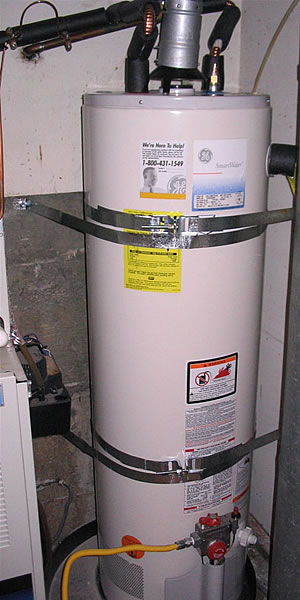
Place the straps around the top third and bottom third of the water heater tank. Ensure the straps fit snugly without gaps. Avoid placing straps over valves or controls. The top strap should sit above the thermostat. The bottom strap must be below the water heater’s midpoint.
Securing To Wall Studs
Attach straps firmly to wall studs for strong support. Use a stud finder to locate studs behind drywall. Never anchor straps to drywall alone. Drill pilot holes into studs before screwing in straps. Tighten screws fully to prevent strap movement during shaking.
Tools And Materials Needed
Gather these tools before starting: a stud finder, drill, screwdriver, measuring tape, and pencil. Materials include metal straps, screws rated for studs, and possibly washers. Choose corrosion-resistant straps for long-lasting durability. Keep all items ready to speed up installation.
Common Mistakes To Avoid
Understanding the common mistakes with water heater straps helps keep your home safe. Many people overlook key details, which can cause problems during an earthquake. Proper installation of water heater straps is crucial for stability and safety.
Knowing what to avoid makes the process easier and more effective. Pay attention to the details to prevent costly repairs or hazards. Below are two frequent errors to watch for.
Incorrect Strap Tension
Straps that are too loose or too tight do not protect well. Loose straps allow the heater to move, risking leaks or damage. Tight straps can bend or break the heater’s structure. The strap should hold the heater firmly without bending it. Use the right tools to check tension carefully.
Ignoring Manufacturer Instructions
Each water heater model may need different strap types or placement. Not following instructions can cause improper fitting and safety risks. Manufacturers provide guidelines for strap size, position, and installation steps. Always read and follow these instructions closely. Skipping this step can void warranties and reduce safety.

Credit: waterheatersonly.com
Inspection And Maintenance Tips
Regular inspection and maintenance of water heater straps keep your system safe and efficient. Straps secure the heater during earthquakes or vibrations. Checking them helps avoid damage and costly repairs.
Checking Strap Integrity
Look closely at the straps for cracks, rust, or wear. Straps should be tight but not too tight. Loose or damaged straps can fail during a shake. Use a flashlight to see hidden spots clearly. Make sure the straps are firmly attached to the wall and heater.
When To Replace Straps
Replace straps if you find any cracks, rust, or tears. Old straps lose strength over time. Also, change straps after a strong earthquake. New straps offer better protection and peace of mind. Use straps that meet local building codes for safety.
Diy Vs. Professional Installation
Choosing between DIY and professional installation of water heater straps is important. Proper installation keeps the heater safe during earthquakes or bumps. Some homeowners prefer doing it themselves to save money. Others trust a professional for the best results. Understanding the pros and cons helps make a good choice.
Assessing Your Skill Level
Ask yourself if you have basic tools and skills. Do you know how to use a drill and screws? Can you follow simple instructions carefully? Water heater straps need to be tight and secure. Mistakes can cause damage or injury later. If you feel unsure, it is better to wait or seek help.
Benefits Of Hiring A Pro
Professionals have experience with local building codes. They know the exact rules for water heater straps. A pro can install the straps quickly and correctly. This lowers the chance of leaks or damage. They also check other safety issues during the visit. Hiring a pro gives peace of mind and saves time.
Legal And Insurance Implications
Water heater strap codes are not just rules to follow. They have legal and insurance effects that homeowners must know. Missing these codes can cause problems with the law and insurance claims. This section explains why these rules matter beyond safety.
Compliance And Liability
Following water heater strap codes means meeting legal safety standards. These codes help prevent damage during earthquakes or accidents. Not following them can lead to fines or legal trouble. Homeowners may be held responsible if damage occurs due to missing straps. Proper strapping reduces the risk of injury and property damage.
Impact On Home Insurance
Insurance companies check if water heater straps meet local codes. Missing or improper straps can cause claim denial after damage. Insurance may not cover repairs if the home is not compliant. Installing straps properly helps protect your insurance rights. It shows you took steps to reduce risk and follow the law.
Frequently Asked Questions
What Is A Water Heater Strap Code?
Water heater strap code mandates securing water heaters with straps to prevent movement during earthquakes. This code ensures safety and minimizes damage in seismic zones.
Why Are Water Heater Straps Required By Code?
Straps keep water heaters stable during earthquakes, reducing fire and flooding risks. Codes enforce this to protect property and lives.
How Many Straps Are Needed For Water Heater Safety?
Most codes require two straps: one near the top and one near the bottom. This prevents tipping and ensures proper restraint.
What Materials Are Used For Water Heater Straps?
Straps are usually made from metal or heavy-duty nylon. They must be strong enough to hold the water heater securely during shaking.
Conclusion
Strapping your water heater keeps it safe during earthquakes. Local codes require specific strap types and placements. Following these rules helps avoid damage and injury. Check your area’s code before installing straps. Proper installation ensures your home’s safety and peace of mind.
Don’t skip this simple but important step. Stay prepared, stay secure.