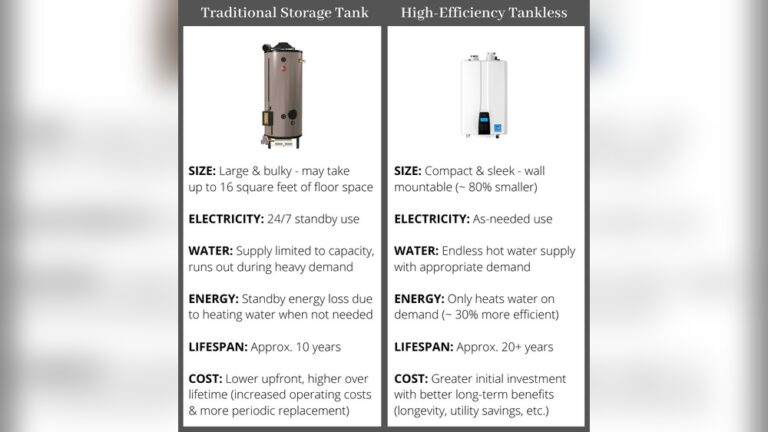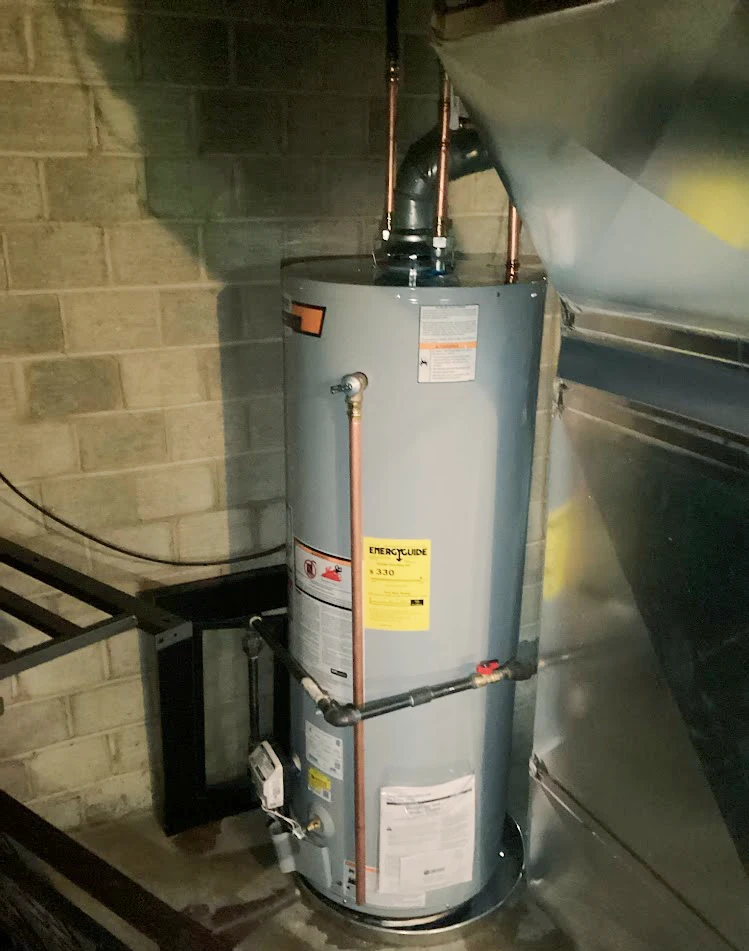
Are you tired of high energy bills from your water heater running all day? Installing a water heater timer could be the simple solution you need.
Imagine having your hot water ready exactly when you want it—without wasting electricity during the times you don’t. You’ll discover how easy it is to install a water heater timer, the benefits it brings, and how it can save you money every month.
Keep reading to learn how this small device can make a big difference in your home comfort and energy costs.
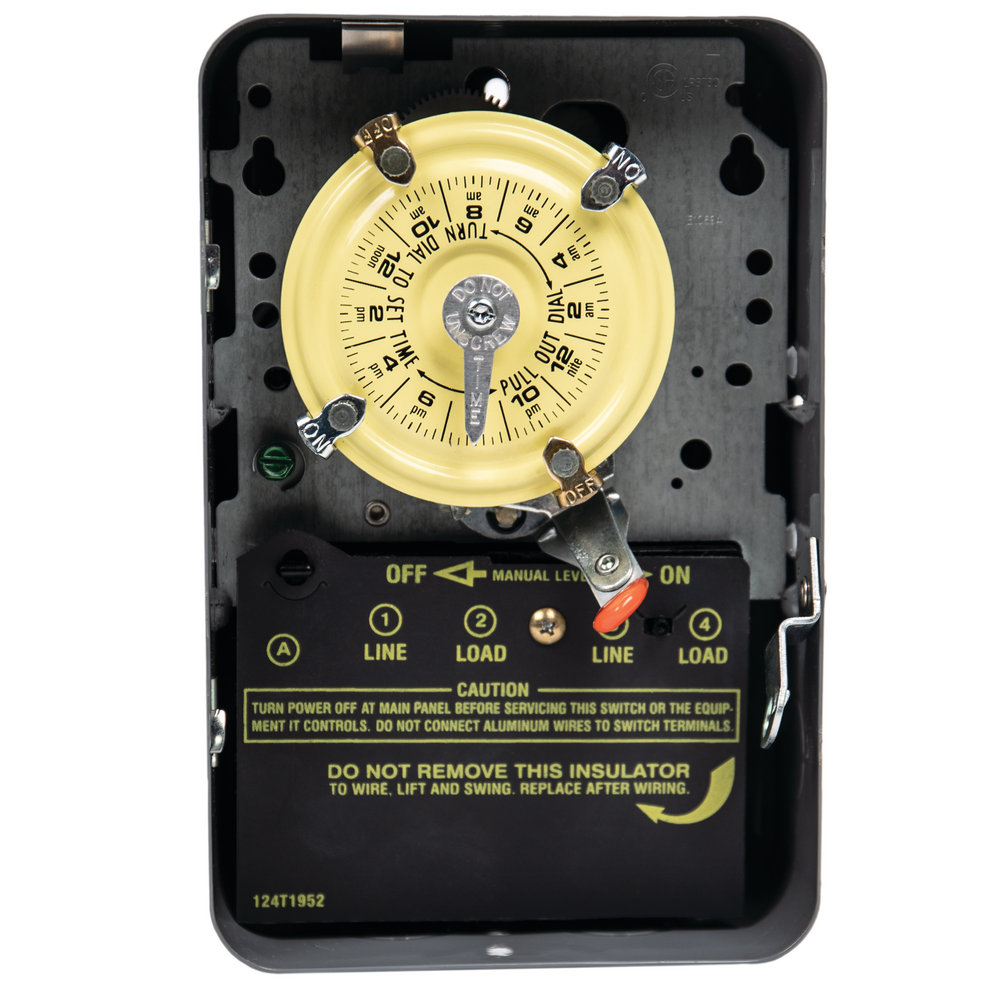
Credit: www.intermatic.com
Benefits Of Water Heater Timers
Water heater timers offer many important benefits. They help control the heating schedule. This control saves energy and money. Timers prevent the heater from running when not needed. They make hot water available at the right times. Using a timer is a smart way to manage your water heater.
Energy Savings And Efficiency
Water heater timers reduce wasted energy. They turn off the heater during low-use hours. This reduces electricity or gas consumption. Timers help the heater run only when needed. This leads to better energy efficiency. Using a timer lowers your home’s overall energy use.
Reducing Utility Bills
With less energy used, bills go down. Water heater timers cut costs by limiting run time. You pay only for the hot water you need. Savings add up over weeks and months. This simple device helps manage household expenses. It is a budget-friendly way to save money.
Extending Water Heater Lifespan
Timers reduce wear and tear on the heater. Less run time means fewer cycles on the system. This lowers the risk of breakdowns and repairs. A controlled schedule helps the heater last longer. Investing in a timer protects your water heater. It keeps the system working well for years.
Types Of Water Heater Timers
Water heater timers help control when your water heater turns on and off. This saves energy and lowers electricity bills. Different types of timers fit different needs and budgets. Understanding these types makes it easier to pick the right one for your home.
Mechanical Timers
Mechanical timers use simple gears and dials to set times. They are easy to install and use. You turn the dial to choose when the heater runs. These timers are affordable and reliable. They do not need electricity to work. Mechanical timers are good for basic scheduling needs.
Digital Timers
Digital timers offer more precise control over your water heater. You can set exact start and stop times. Many models allow multiple on and off periods each day. The display shows the current settings clearly. Digital timers require power to operate. They are ideal for users who want flexible scheduling.
Smart Timers With Remote Control
Smart timers connect to your phone or home Wi-Fi. This lets you control the water heater from anywhere. You can change schedules or turn it off remotely. Some models learn your habits and adjust automatically. Smart timers help save energy by running only when needed. They suit tech-savvy users who want convenience.
Tools And Materials Needed
Installing a water heater timer requires the right tools and materials. Gathering everything before starting saves time and effort. This section lists what you need for a smooth installation process.
Essential Tools
A screwdriver set is a must-have for removing and securing screws. Wire strippers help you prepare electrical wires safely. A voltage tester checks for live wires to avoid shocks. Pliers assist in bending and holding wires firmly. Lastly, a drill may be needed for mounting the timer on the wall.
Safety Equipment
Safety goggles protect your eyes from dust and sparks. Insulated gloves prevent electrical shocks during wiring. A face mask keeps dust and debris away from your nose and mouth. Work boots offer protection against accidental drops or slips. Always prioritize safety to avoid accidents.
Timer Models And Compatibility
Choose a timer compatible with your water heater’s power type. Mechanical timers suit basic systems with simple controls. Digital timers offer more precise scheduling and features. Check the timer’s voltage and current ratings against your heater. Compatibility ensures proper function and avoids damage.
Step-by-step Installation Guide
Installing a water heater timer can save energy and reduce utility bills. This guide breaks down the process into easy steps. Follow along to install your timer safely and correctly. No special skills required.
Turning Off Power
Start by turning off the power to the water heater. Locate the circuit breaker panel. Switch off the breaker connected to the water heater. Use a voltage tester to confirm no electricity flows. Safety first—never work on live wires.
Wiring The Timer
Open the timer casing and find the wiring terminals. Connect the timer wires to the water heater wires. Match colors: black to black, white to white, green to ground. Use wire nuts to secure connections. Follow the timer’s wiring diagram carefully.
Mounting The Timer
Choose a dry, accessible spot near the water heater. Mount the timer on the wall using screws or brackets. Ensure it is level and secure. Avoid placing it near water or heat sources. Leave enough space for easy adjustments.
Testing The Setup
Turn the circuit breaker back on. Set the timer to the desired schedule. Watch the water heater turn on and off with the timer. Use a multimeter to check voltage if unsure. Adjust settings as needed for best results.
Programming Your Timer
Programming your water heater timer is key to saving energy and money. It lets you control exactly when the heater turns on and off. This way, you avoid heating water when you do not need it. Setting the timer is simple and helps keep your water heater efficient.
Setting On And Off Times
Start by deciding the hours you need hot water. Set the timer to turn on just before these times. For example, set it to heat water early morning or evening. Then, program the timer to turn off when you usually do not use hot water. This avoids wasting energy by heating water all day.
Adjusting For Seasonal Changes
Change the timer settings as seasons change. In winter, you might want hot water earlier in the day. In summer, reduce heating times to save more energy. Adjusting the timer regularly matches your water heating to your real needs. This keeps your bills low and comfort high.
Optimizing Usage Patterns
Watch when you use hot water most. Set the timer to fit your daily routine closely. Use shorter heating periods if possible. Avoid heating water when no one is home. Small changes in timing can lead to big savings. Stay aware of your habits to get the best results.

Credit: www.reddit.com
Common Installation Challenges
Installing a water heater timer can save energy and cut costs. Yet, it comes with some common challenges. Knowing these issues helps to prepare and avoid mistakes. Understanding the problems makes the process smoother and safer.
Dealing With Different Heater Types
Water heaters come in many models. Each type has unique wiring and power needs. Some use gas, others electric. Timers must match the heater’s type and power rating. Using the wrong timer can cause damage or fail to work. Check the heater’s manual before choosing a timer. This step ensures compatibility and proper function.
Troubleshooting Wiring Issues
Wiring is a common challenge during installation. Some homes have old or complex wiring systems. Identifying the correct wires for the timer is crucial. Wrong connections may lead to malfunctions or shorts. Testing wires with a voltage meter helps find live and neutral lines. Always turn off power before working with wires. Take time to double-check each connection for safety and performance.
Avoiding Safety Hazards
Electrical work can be dangerous without care. Many risks exist during timer installation. Shock and fire hazards are the most serious. Use insulated tools and wear protective gear. Never work on live circuits. Follow local electrical codes strictly. Installing a timer incorrectly can void warranties or cause accidents. When unsure, ask a professional electrician to assist or inspect the work.
Maintenance Tips For Timers
Proper maintenance of your water heater timer is key to its long life and efficient operation. Regular care helps avoid costly repairs and keeps your system running smoothly. Simple steps can make a big difference in performance.
Regular Inspection
Check your timer often for any signs of damage or wear. Look for cracks, loose wires, or unusual noises. Early detection of issues can prevent bigger problems later. Make inspection part of your routine home maintenance.
Cleaning And Care
Keep the timer clean from dust and dirt. Use a dry cloth to wipe the surface gently. Avoid using water or harsh chemicals, which can damage the timer. Clean surroundings also help the timer work better.
When To Replace Timers
Replace your timer if it stops working or shows constant errors. Old timers might not control your heater accurately anymore. If repairs cost more than a new timer, replacement is the smart choice. Staying updated saves energy and money.
Maximizing Savings Beyond Timers
Installing a water heater timer is a smart step to cut energy costs. Yet, bigger savings come from combining timers with other methods. Small changes add up. They make your water heating system more efficient and your bills smaller.
Insulating Your Water Heater
Wrap your water heater with an insulation blanket. It keeps heat inside the tank longer. Less heat loss means the heater runs less often. This saves electricity or gas. Insulation is cheap and simple to add. It can cut heat loss by up to 45%.
Lowering Water Temperature
Set your water heater to 120°F (49°C). This temperature is safe and comfortable. Many heaters are set higher by default. Lowering temperature reduces energy use. It also slows mineral buildup inside the tank. This keeps your heater working well for years.
Combining With Energy-efficient Appliances
Use energy-efficient dishwashers and washing machines. They use less hot water than older models. This reduces the demand on your water heater. Less hot water use means lower energy bills. Choose appliances with good energy ratings for best results.

Credit: waterheatertimer.org
Conclusion
Installing a water heater timer saves energy and cuts costs. It lets you control heating times easily. This helps avoid heating water when you don’t need it. You get hot water ready at the right time. The process is simple and quick to do.
Small changes like this make a big difference. Start saving money and energy today with a timer. Your home becomes more efficient and eco-friendly. A smart step toward better energy use.