Is your water heater turning off frequently, leaving you with cold showers and constant frustration? You’re not alone, and this problem can be more than just an inconvenience.
When your water heater keeps shutting down, it could signal an underlying issue that needs your attention. You’ll discover the common reasons behind this problem and simple steps you can take to fix it. Keep reading to regain control over your hot water and avoid unexpected chills.

Credit: deerspa.com
Common Causes
Water heaters turning off frequently can frustrate any household. Understanding the common causes helps solve the problem faster. Many issues can make your water heater stop working regularly. Some are simple fixes, while others need professional help. Here are the main reasons why your water heater turns off often.
Thermostat Issues
The thermostat controls the water temperature. If it malfunctions, the heater may shut off too soon. Incorrect settings or a broken thermostat cause this problem. This leads to water that is too cold or too hot. Checking the thermostat can often fix the issue.
Sediment Buildup
Over time, minerals settle at the tank bottom. This sediment buildup can block heat transfer. It forces the heater to work harder and shut down. Flushing the tank removes the sediment and improves performance. Regular maintenance helps prevent this cause.
Faulty Heating Element
The heating element warms the water inside the tank. A damaged or worn element can stop working. This causes the heater to turn off frequently. Replacing the faulty element restores proper heating. Testing the element helps identify the problem.
Electrical Problems
Water heaters rely on stable electrical connections. Loose wires or faulty circuits can interrupt power supply. This causes the heater to switch off unexpectedly. Inspecting and fixing electrical issues ensures steady operation. Safety precautions are important during electrical checks.
Overheating Protection
Water heaters have safety features to prevent overheating. If the heater gets too hot, it shuts down automatically. A malfunctioning sensor or thermostat can cause false triggers. Resetting or repairing these parts stops frequent shutdowns. This protects your heater and home from damage.
Safety Checks
Safety checks are important when your water heater turns off often. These checks help prevent accidents and keep your heater working well. Simple inspections can spot problems early. This saves money and keeps your home safe.
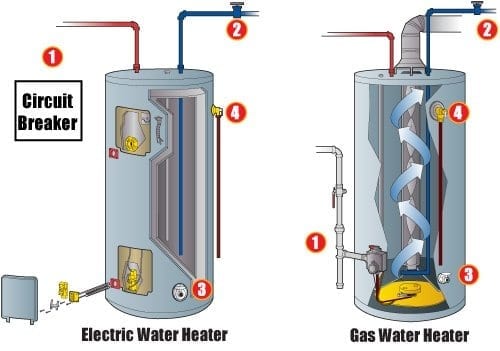
Perform safety checks regularly. Focus on wiring, circuit breakers, and the pressure relief valve. Each part plays a key role in safe operation.
Inspecting Wiring
Look at the wiring for any damage or loose connections. Damaged wires can cause the heater to stop working. Turn off power before checking. Use a flashlight to see wires clearly. Tighten any loose wires carefully. Replace frayed or burnt wires. Call a professional if unsure about wiring safety.
Testing Circuit Breaker
Test the circuit breaker linked to your water heater. Turn it off and then back on. The breaker must switch smoothly. A faulty breaker may trip often. This causes the heater to shut off. Replace broken breakers to keep power steady. Use a multimeter to check voltage if possible.
Checking Pressure Relief Valve
Check the pressure relief valve for leaks or blockages. This valve prevents excess pressure in the tank. Lift the valve handle to test it. Water should flow out freely. If it does not, the valve may be stuck. Replace faulty valves to avoid pressure buildup. Keep the area around the valve clear and dry.
Diy Fixes
Water heaters that turn off frequently can cause many problems. You can try some simple DIY fixes to solve the issue. These fixes save time and money. They also help you understand your heater better.
Resetting The Heater
Start by turning off the power to the heater. Find the reset button on the unit. Press and hold it for a few seconds. This can clear minor electrical issues. Turn the power back on and check the heater. If it works, the problem might be solved.
Flushing The Tank
Mineral buildup can cause the heater to shut off. Drain the tank to remove the sediment. Turn off the water supply and power. Attach a hose to the drain valve. Let the water flow out until it runs clear. Close the valve and refill the tank. This helps improve heater performance.
Replacing The Thermostat
A faulty thermostat can cause frequent shut-offs. Turn off the power to the heater. Remove the cover panel to access the thermostat. Disconnect the wires and remove the old thermostat. Install a new thermostat and reconnect the wires. Replace the cover and turn the power back on.
Cleaning Heating Elements
Heating elements can get dirty or corroded. Turn off the heater and power supply. Remove the access panel and disconnect the wires. Take out the heating elements carefully. Clean them with a soft brush and vinegar solution. Reinstall the elements and reconnect the wires. This can help the heater work properly again.
When To Call A Pro
Knowing when to call a professional for your water heater saves time and stress. Some problems need expert care to avoid damage or danger. Calling a pro ensures safety and proper repairs.
Simple fixes can be done alone, but some issues are complex and risky. Recognize the signs that need expert help. Here are key moments to contact a professional.
Persistent Electrical Issues
Electrical problems that keep happening need a professional’s touch. Flickering power or frequent shut-offs show deeper faults. Professionals check wiring, fuses, and connections safely.
Ignoring these issues can cause shocks or fire risks. A pro uses tools to test the system and fix hidden faults. Stay safe by calling an expert for repeated electrical problems.
Complex Component Replacement
Some water heater parts need special skills to replace. Components like thermostats, heating elements, or control boards require precise work. Mistakes cause leaks or system failure.
Professionals have the right tools and experience for these tasks. They ensure parts fit well and work correctly. Avoid costly damage by letting a pro handle complex replacements.
Gas Water Heater Concerns
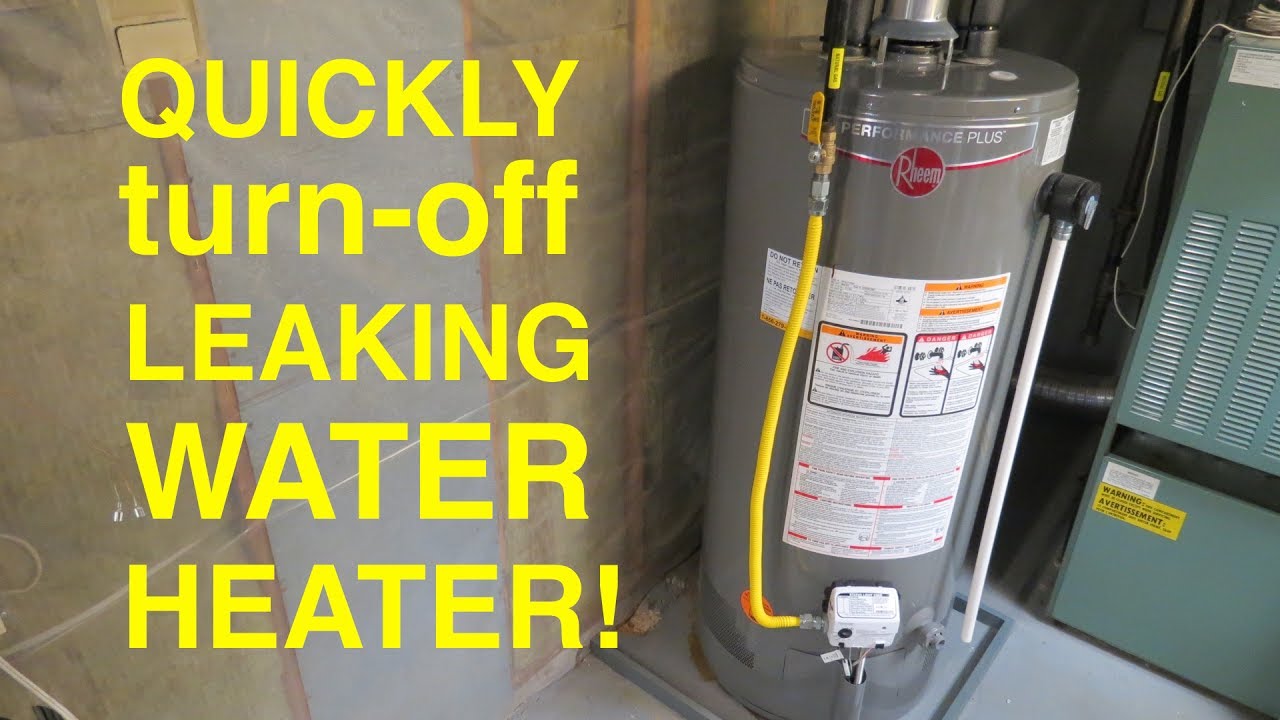
Gas water heaters can be dangerous without proper care. Smelling gas, pilot light issues, or sudden shut-offs need expert attention. Gas leaks pose serious health and safety risks.
Certified technicians detect leaks and fix burner problems safely. They follow strict safety rules to protect your home. Call a professional immediately for any gas water heater troubles.
Preventive Tips
Preventing your water heater from turning off frequently saves you time and money. Simple steps can help keep your heater working well. A good care routine avoids sudden breakdowns. Follow these easy tips to keep your water heater in top shape.
Regular Maintenance Schedule
Check your water heater every few months. Look for leaks, rust, or strange noises. Flush the tank once a year to remove sediment. Test the thermostat and heating elements regularly. Clean or replace the anode rod to stop corrosion. Regular checks stop small problems from growing.
Water Quality Management
Hard water causes mineral build-up inside your heater. This slows heating and triggers shutdowns. Use a water softener to reduce minerals. Clean filters and screens often. Avoid letting dirt or debris enter the tank. Good water quality keeps your heater running longer.
Upgrading Older Units
Old water heaters lose efficiency and fail more often. Consider replacing units older than 10 years. New models use less energy and work more reliably. Choose heaters with modern safety features. Upgrading saves money on repairs and energy bills.
Credit: www.youtube.com
Credit: www.4donnellys.com
Frequently Asked Questions
Why Does My Water Heater Keep Turning Off?
Your water heater may turn off due to thermostat issues, sediment buildup, or faulty wiring. Regular maintenance can prevent these problems and ensure consistent heating.
How Can I Fix A Water Heater That Shuts Off Frequently?
Check the thermostat settings, clean sediment from the tank, and inspect electrical connections. If issues persist, contact a professional plumber for a thorough inspection.
Is A Faulty Thermostat Causing My Water Heater To Turn Off?
Yes, a malfunctioning thermostat can cause frequent shutdowns. It may misread water temperature and turn off the heater prematurely, disrupting hot water supply.
Can Sediment Buildup Make My Water Heater Turn Off Often?
Sediment buildup reduces heating efficiency and triggers the unit to shut off frequently. Flushing the tank regularly helps maintain optimal performance and prevents shutdowns.
Conclusion
A water heater turning off often can cause big problems at home. Check the power supply and thermostat first. Dirt or sediment may block the system. Sometimes, a faulty part needs quick fixing. Regular care can keep your heater working well.
Don’t wait too long to solve the issue. Warm water is important for daily comfort. Taking small steps helps avoid bigger troubles later. Stay safe and keep your heater in good shape.