Is your water heater vent pipe leaking? If so, you’re probably wondering how serious it is and what you should do next.
A leaking vent pipe might seem like a small problem, but it can cause bigger issues if left unchecked. You need clear answers and easy steps to protect your home and keep your water heater working safely. Keep reading to find out why this leak happens, how to spot the signs early, and what you can do to fix it before it turns into a costly headache.
Signs Of Vent Pipe Leaks
Water heater vent pipe leaks can cause serious damage if not noticed early. Recognizing signs of leaks helps prevent costly repairs and keeps your home safe. Learn to spot warning signals before problems worsen.
Visible Water Drips
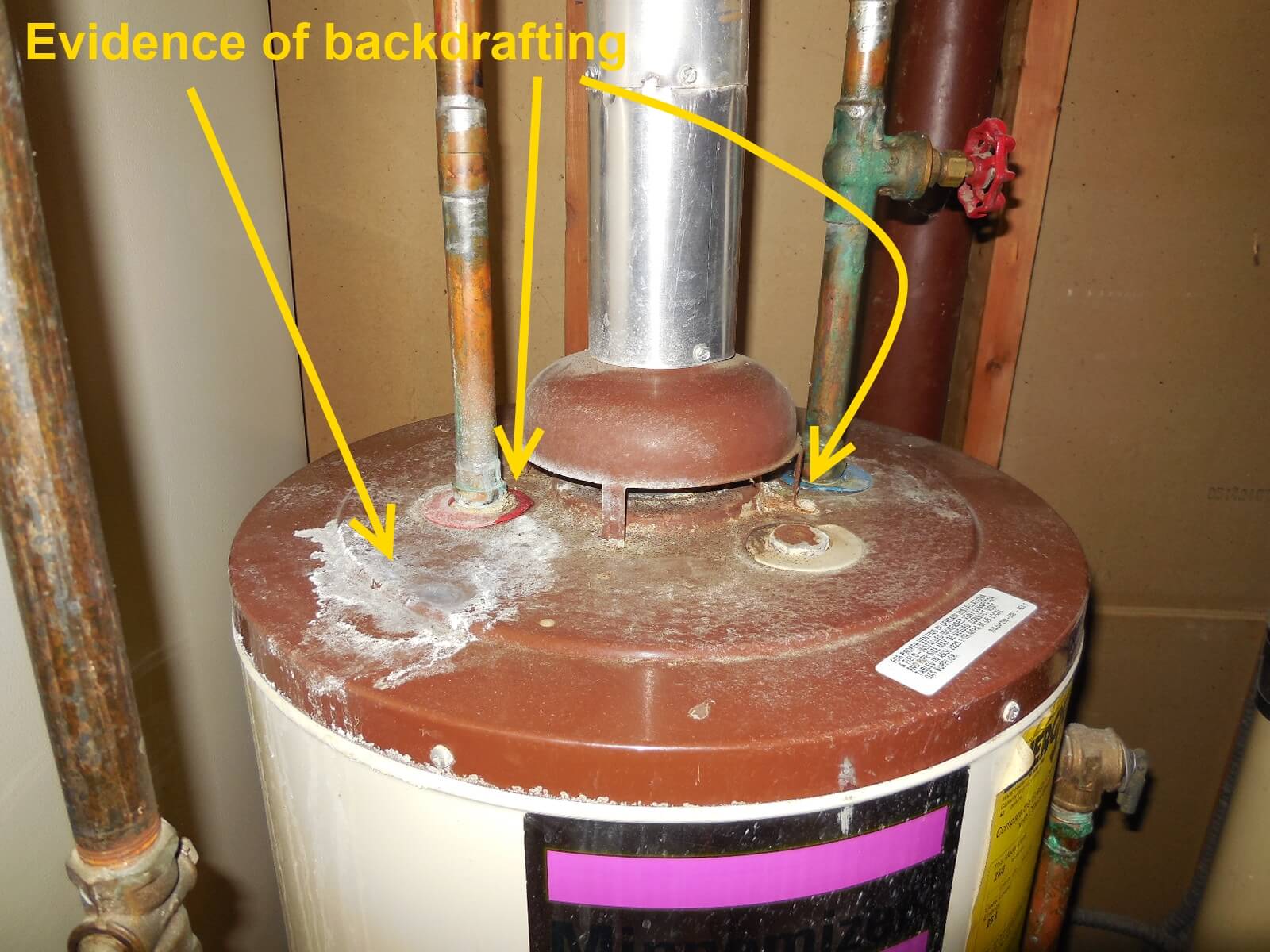
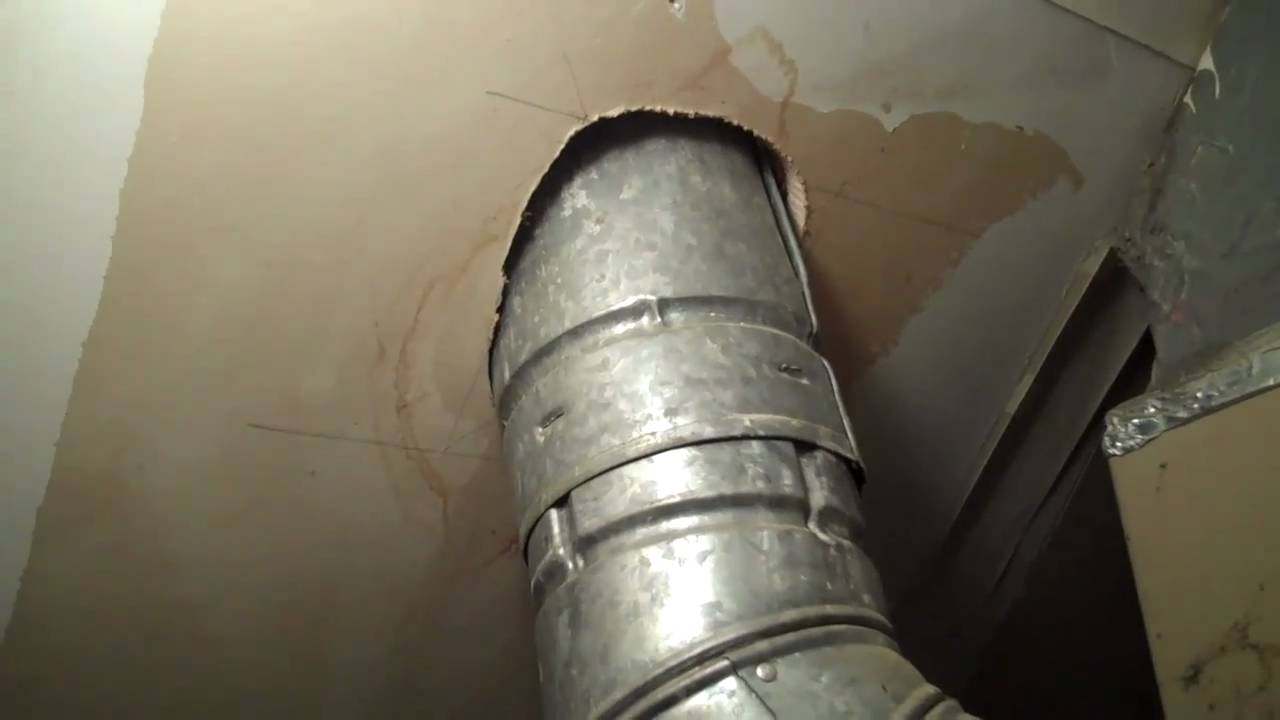
Water droplets or puddles near the vent pipe show a leak. Drips may appear on the floor or pipe surface. Catching drips early stops water damage and mold growth.
Corrosion And Rust
Rust spots on the vent pipe indicate moisture exposure. Corrosion weakens the metal and leads to holes. Check pipes regularly for rust patches or flaking paint.
Unusual Odors
Leaks can cause strange smells around the water heater. Musty or rotten odors suggest mold or mildew growth. Foul gas smells might point to vent blockages or leaks.
Condensation Build-up
Excess moisture or fog on the vent pipe shows trapped water. Condensation collects inside poorly sealed pipes. This can cause leaks and reduce the vent’s efficiency.
Credit: narainsmartschool.com
Common Causes Of Leaking Vent Pipes
Leaking vent pipes in water heaters cause many problems. These leaks can lead to water damage and reduce the heater’s efficiency. Understanding common causes helps to prevent damage and costly repairs. The most frequent reasons for leaks include poor installation, cracks, blockages, and corrosion.
Poor Installation
Poor installation often causes vent pipe leaks. Pipes that are not sealed properly let water escape. Incorrect pipe connections create gaps and weak spots. A vent pipe must be installed tightly and correctly to avoid leaks.
Cracked Or Damaged Pipes
Pipes can crack or get damaged over time. Physical impact or stress weakens the pipe walls. Cracks allow water and gas to leak out. Damaged pipes need quick repair to prevent bigger problems.
Blockages And Obstructions
Blockages inside the vent pipe stop airflow. This causes condensation to build up and leak out. Debris, nests, or dirt can block pipes. Regular cleaning keeps pipes clear and prevents leaks.
Corrosion Over Time
Corrosion wears down metal pipes slowly. Water and moisture cause rust and holes. Old pipes are more likely to leak from corrosion. Checking pipes regularly helps catch corrosion early.
Safety Concerns With Leaking Vent Pipes
Leaking vent pipes on water heaters pose serious safety risks. These pipes carry harmful gases out of the home. Any leak can let dangerous fumes enter living spaces. Understanding these risks helps keep your family safe and your home secure.
Carbon Monoxide Risks
Leaking vent pipes can release carbon monoxide gas. This gas is colorless and odorless. It is deadly in high amounts. Breathing carbon monoxide can cause headaches, dizziness, and nausea. Long exposure can lead to unconsciousness or death. Proper venting is essential to prevent gas buildup.
Water Damage To Surroundings
Water dripping from vent pipe leaks can damage walls and floors. Moisture leads to mold growth, which harms air quality. Mold can cause allergies and breathing issues. Wet wood and drywall weaken over time. Repair leaks quickly to avoid costly damage and health risks.
Reduced Heater Efficiency
A leaking vent pipe affects heater performance. Heat escapes through leaks, wasting energy. The heater must work harder to warm your home. This raises energy bills and shortens the heater’s lifespan. Fixing leaks improves efficiency and saves money.
Tools And Materials For Quick Fixes
Fixing a water heater vent pipe leak can be simple with the right tools and materials. Using proper items saves time and prevents further damage. Quick fixes often stop small leaks before they get worse. Keep these tools handy for easy repairs.
Sealants And Tapes
Sealants stop leaks by creating a tight barrier. Use high-temperature silicone sealant for vent pipes. It withstands heat and prevents gaps. Metal foil tape also works well. It sticks firmly and resists heat. Both help seal small cracks and joints quickly.
Replacement Pipes And Connectors
Sometimes, damaged pipe sections need replacement. Use the same type of vent pipe for safety. Common materials include aluminum or galvanized steel. Connectors join pipe sections securely. Choose connectors that fit tightly. Replacement parts ensure a leak-free vent system.
Basic Plumbing Tools
Simple tools make repairs easier. A pipe wrench tightens or loosens pipe joints. A screwdriver helps remove clamps or covers. Tin snips cut metal pipes and tape. A flashlight improves visibility in dark spaces. Keep these tools ready for quick fixes.
Step-by-step Leak Repair
Fixing a water heater vent pipe leak involves clear, careful steps. Follow this guide to repair the leak safely and effectively. The process includes shutting off the heater, checking the vent pipe, sealing small leaks, and replacing damaged parts. Each step is important to stop leaks and keep your home safe.
Shutting Off The Water Heater
Start by turning off the water heater power supply. For electric heaters, switch off the breaker in your electrical panel. For gas models, turn the gas control valve to the off position. This prevents accidents during repair. Also, close the cold water supply valve to stop water flow. Wait for the heater to cool before working on it.
Inspecting The Vent Pipe
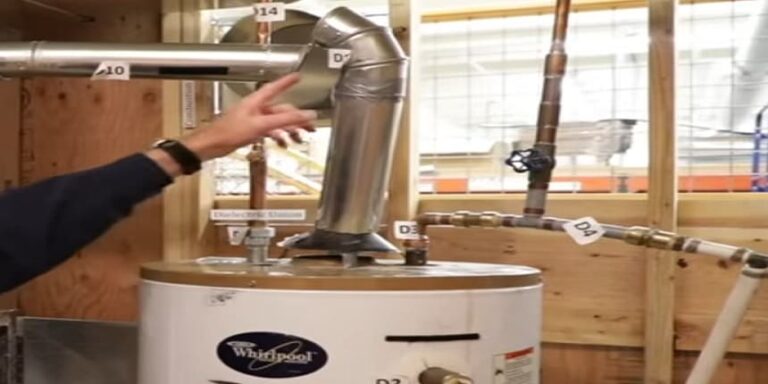
Look closely at the vent pipe for cracks or holes. Check all connections and joints for loose parts or rust. Use a flashlight to see inside the pipe. Look for signs of water or gas leaks. Mark any areas that need repair or replacement. This step helps find the exact cause of the leak.
Sealing Small Leaks
Use high-temperature silicone sealant to fix small leaks. Clean the pipe surface well before applying the sealant. Spread the sealant evenly over the hole or crack. Let it dry as per the product instructions. This method works for minor leaks and prevents further damage. Reinspect after drying to ensure the leak is sealed.
Replacing Damaged Sections
Cut out any rusted or badly damaged pipe sections. Use a pipe cutter or saw for clean cuts. Measure and fit new pipe pieces that match the original size. Secure new sections with metal clamps or screws. Make sure all connections are tight and sealed. This step stops leaks that sealant cannot fix.
Preventive Maintenance Tips
Preventive maintenance helps keep your water heater vent pipe in good condition. It stops leaks and other problems early. Simple steps can save you money and keep your home safe. Check the vent pipe often and fix small issues fast.
Regular Inspections
Look at the vent pipe every few months. Check for cracks, rust, or loose parts. Small leaks start from tiny damage. Catch these early to avoid big repairs. Use a flashlight to see inside dark areas.
Clearing Vent Blockages
Remove dirt, leaves, or bird nests from the vent pipe. Blockages stop gases from leaving your home. This can cause dangerous leaks. Clean the vent pipe with a brush or vacuum. Keep the area around the pipe clear.
Ensuring Proper Installation
Make sure the vent pipe is installed correctly. Pipes must fit tightly and follow building codes. Wrong installation leads to leaks and poor ventilation. Check pipe angles and joints for secure connections. Use metal pipes, not plastic, for safety.
Scheduling Professional Check-ups
Hire a licensed plumber to inspect your vent pipe yearly. Professionals find hidden problems you might miss. They test for leaks and check ventilation. Regular check-ups extend the life of your water heater. Keep a record of each service visit.
When To Call A Professional
Knowing when to call a professional for a water heater vent pipe leak is important. Some leaks seem small but can hide bigger problems. A trained expert can find and fix issues safely and quickly. This saves time and prevents damage to your home.
Complex Damage
Leaks from vent pipes can cause complex damage. Rust, cracks, and blockages may happen inside the pipe. These problems need special tools and skills to fix. A professional will check the entire system carefully. They can repair or replace damaged parts properly.
Persistent Leaks
Leaks that do not stop after simple fixes need expert help. Persistent leaks can waste water and energy. They may also cause mold and rot around the pipe. A professional will find the cause and solve it completely. This keeps your home safe and dry.
Safety Hazard Signs
Some signs show a vent pipe leak is a safety risk. Strange smells, soot marks, or yellow flames on your heater are warnings. Carbon monoxide leaks can be deadly. Call a professional right away to inspect and repair. Do not ignore these signs for your safety.
Credit: www.diychatroom.com
Credit: www.youtube.com
Frequently Asked Questions
Why Is My Water Heater Vent Pipe Leaking Water?
Water heater vent pipe leaks occur due to condensation buildup inside the pipe. This happens when warm exhaust gases meet cooler air. Poor ventilation or improper installation can worsen the issue. Regular inspection and proper sealing help prevent leaks and maintain safe venting.
Can A Leaking Vent Pipe Cause Water Damage?
Yes, a leaking vent pipe can cause water damage. Water dripping from the pipe can damage walls, ceilings, and insulation. It may also promote mold growth. Immediate repair or replacement is essential to avoid costly structural and health problems.
How Do I Fix A Leaking Water Heater Vent Pipe?
To fix a leaking vent pipe, inspect for loose connections or rust. Tighten joints and replace damaged sections. Ensure proper slope for drainage and install insulation to reduce condensation. If unsure, hire a professional plumber for safe and effective repairs.
Is It Safe To Use A Water Heater With A Leaking Vent Pipe?
Using a water heater with a leaking vent pipe is unsafe. It can lead to carbon monoxide buildup and water damage. Turn off the heater and fix the leak immediately. Regular maintenance ensures safety and efficient operation.
Conclusion
A leaking water heater vent pipe can cause serious problems. It can lead to water damage and poor air quality. Fixing the leak quickly keeps your home safe and dry. Regular checks help catch issues before they grow. Trust your instincts if you notice signs of damage.
Taking care of your vent pipe saves money and worry. Don’t wait for small leaks to become big troubles. Stay safe and keep your water heater working well.