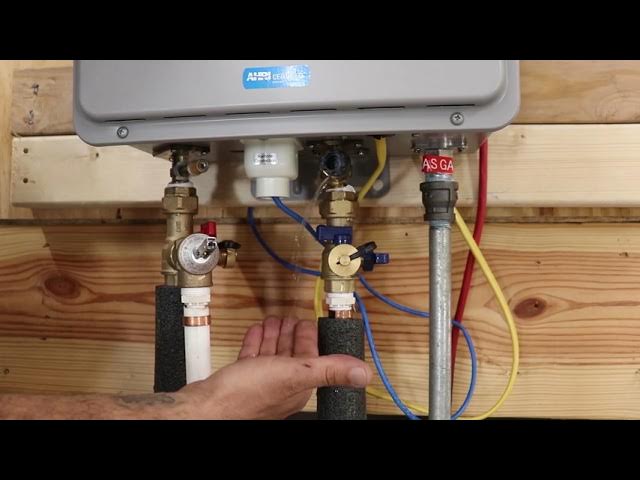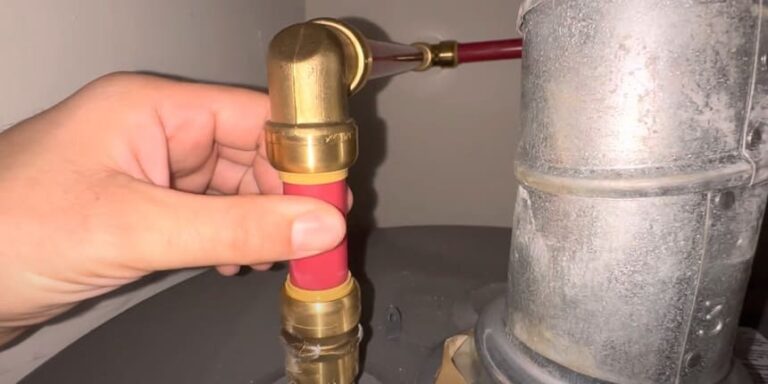
Are you wondering what size generator you need to keep your hot water heater running smoothly during a power outage? Choosing the right generator can be confusing, but it’s crucial to avoid surprises like cold showers or damaged equipment.
You’ll discover exactly how to find the perfect generator size for your hot water heater. By the end, you’ll feel confident making the right choice to keep your home comfortable and worry-free when the lights go out. Keep reading to find out what matters most!
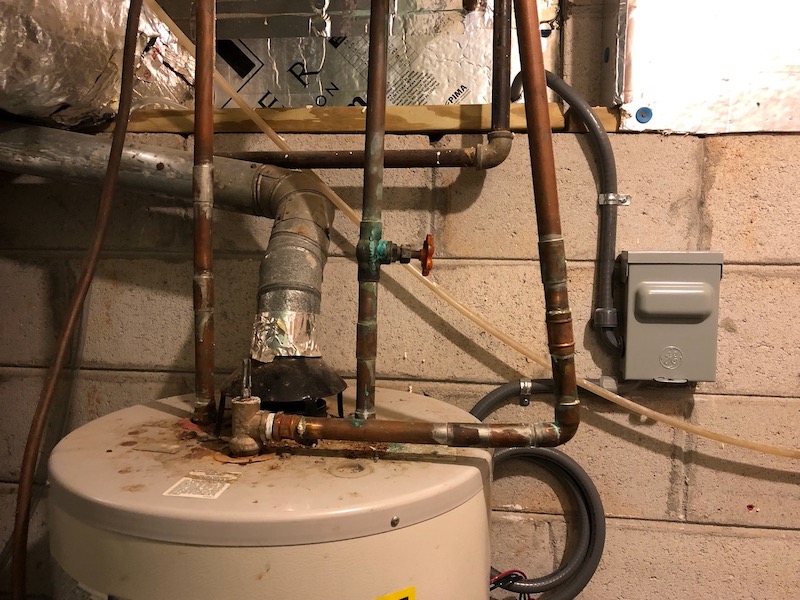
Credit: www.energyvanguard.com
Hot Water Heater Power Needs
Hot water heaters usually need about 3000 to 4500 watts to run. This is the running power, the amount needed to keep the heater working. The starting power is higher and lasts only a short time. It can be about 2 to 3 times the running power. This extra power helps the heater start heating water quickly.
For example, a heater using 4500 watts might need up to 9000 to 13500 watts when starting. A generator must handle this surge without shutting down. Choose a generator with a running wattage above the heater’s normal use. Also, its starting wattage must cover the surge power.
| Power Type | Wattage Range | Purpose |
|---|---|---|
| Running Power | 3000 – 4500 watts | Power to keep heater working |
| Starting Power | 6000 – 13500 watts | Power to start heating quickly |
Types Of Hot Water Heaters
Tankless heaters heat water only when needed. They save space and energy. These heaters need a strong power source because they heat water fast. A generator must provide enough starting watts to run them smoothly.
Storage tank heaters keep a large amount of hot water ready. They use more energy to keep water warm all the time. The generator size should cover the heater’s running watts and the extra watts when it starts.
Heat pump water heaters use electricity to move heat from the air to water. They are very energy-efficient but need steady power. Generators must supply continuous power to keep these heaters working well.
Calculating Generator Size
Start by listing all the appliances you want to power with the generator. Add their wattage values to find the total load. Hot water heaters often use between 4000 to 4500 watts. Don’t forget to add other devices running at the same time.
Surge power means the extra power needed to start some appliances. Many motors or pumps need 3 to 5 times their running wattage at startup. Make sure your generator can handle this extra load.
Think about future needs. You might add more appliances later. Choose a generator with a bit more power than your current total. This helps avoid buying a new one soon.
Generator Options For Hot Water Heaters
Portable generators are small and easy to move. They provide enough power for a hot water heater during short outages. Most models give between 2,000 and 4,000 watts, enough for basic needs.
Standby generators are fixed outside your home. They start automatically when power goes out. These generators can power your entire house, including the hot water heater. They usually offer 7,000 watts or more, ideal for long outages.
Inverter generators are quiet and fuel-efficient. They produce clean power, safe for sensitive electronics. Inverter models range from 1,000 to 4,000 watts, suitable for small appliances and water heaters.
| Generator Type | Power Output (Watts) | Best Use |
|---|---|---|
| Portable | 2,000 – 4,000 | Short outages, easy moving |
| Standby | 7,000+ | Whole house, long outages |
| Inverter | 1,000 – 4,000 | Quiet, fuel-efficient, sensitive devices |
Installation And Safety Tips
Proper wiring is key to safely connect a generator to a hot water heater. Use correct wire size to handle the generator’s power output. Connect wires firmly to avoid loose ends that cause sparks or shorts. Always follow the manufacturer’s instructions and local electrical codes for wiring.
To prevent overloads, never run too many devices on one generator. Know your generator’s wattage limit and keep total use below that. Overloads can cause damage or power failure. Use a transfer switch to safely switch power between the generator and main supply.
Regular maintenance keeps your generator working well. Check oil, fuel, and air filters often. Test the generator under load to ensure it runs properly. Clean connections and keep the unit dry and safe from dust or water.
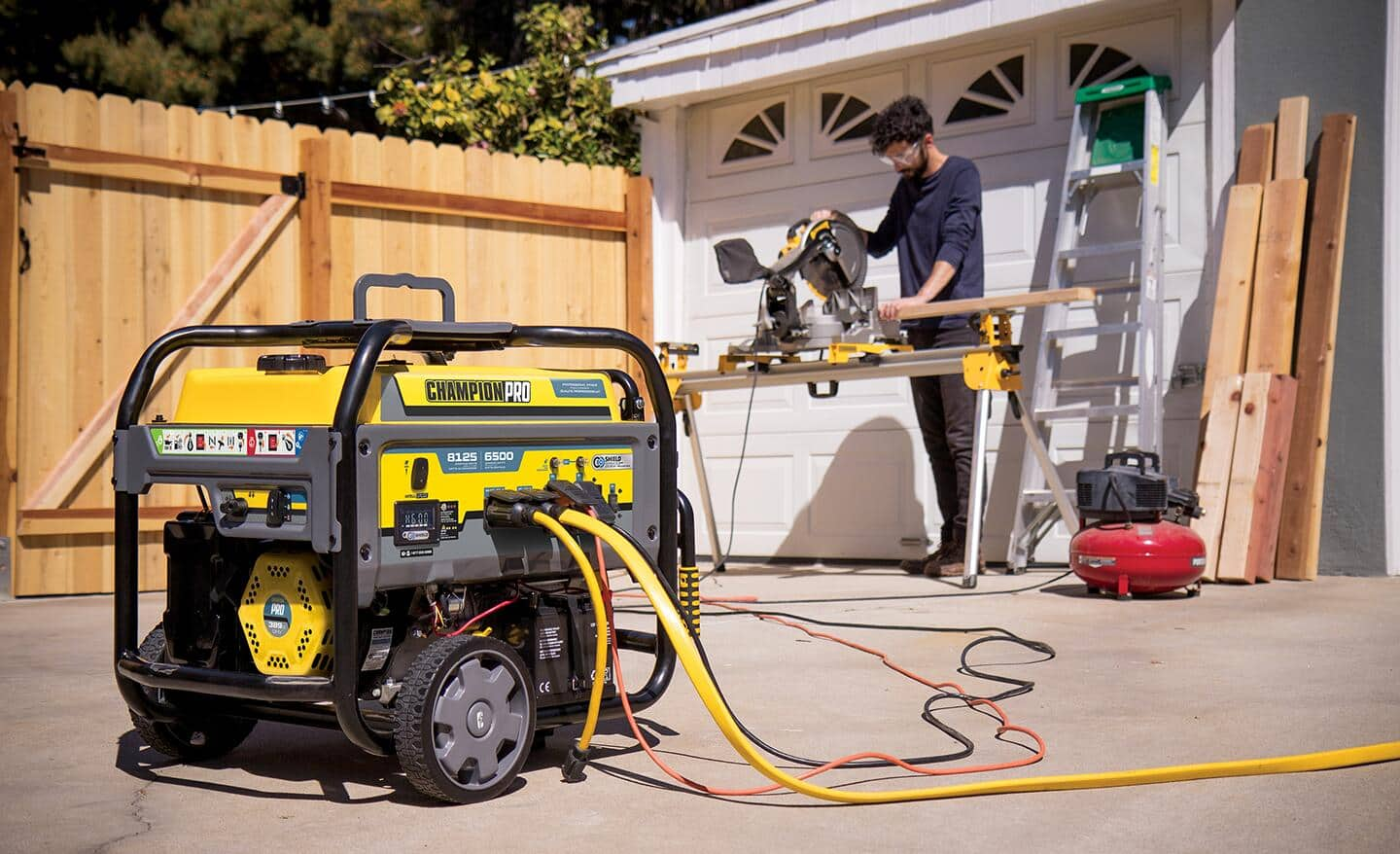
Credit: www.homedepot.com
Credit: www.reddit.com
Frequently Asked Questions
What Size Generator Is Needed For A Hot Water Heater?
A 3,500 to 5,000-watt generator typically powers a standard hot water heater. Check your heater’s wattage to match the generator size.
Can A Small Generator Run A Hot Water Heater?
Small generators under 3,000 watts may struggle. They often can’t handle the heater’s starting power surge. Use a larger generator.
How Many Watts Does A Hot Water Heater Use?
Most hot water heaters use 4,000 to 4,500 watts when heating. This includes the initial surge wattage during startup.
Should I Consider Surge Wattage For My Generator?
Yes, always consider surge wattage. Hot water heaters require more power to start, so pick a generator with higher surge capacity.
Conclusion
Choosing the right generator size keeps your hot water heater running smoothly. Small generators might not provide enough power. Large ones waste fuel and money. Know your heater’s wattage before buying a generator. Add extra watts for startup power needs.
This helps avoid trips and damage. A well-sized generator offers reliable hot water anytime. Stay prepared for power outages with the right choice. Simple steps lead to better comfort and safety.