Is your Whirlpool water heater not heating like it used to? You rely on it every day for hot showers, washing dishes, and staying comfortable.
When it stops working, it can throw your entire routine off balance. Don’t worry—you’re not alone, and this problem is often fixable. You’ll discover easy steps to identify what’s wrong and how to get your water heater back to warming your home.
Keep reading to save time, avoid costly repairs, and restore your hot water quickly.
Common Causes Of No Heat
Whirlpool water heaters may stop heating for a few common reasons. Understanding these causes helps you find the problem faster. Fixing the heater can be simple once you know the root issue.
Power Supply Issues
The water heater needs power to work. A tripped breaker or blown fuse can cut power. Loose wiring or a faulty outlet also stops electricity flow. Check your home’s electrical panel for any problems.
Thermostat Problems
The thermostat controls water temperature. If it breaks or malfunctions, the heater won’t heat water. Sometimes the thermostat settings are too low. Testing and adjusting the thermostat can solve the problem.
Heating Element Failure
The heating element warms the water inside the tank. Over time, it can burn out or break. A bad element means no heat. Replacing the faulty element restores the heater’s function.
Sediment Buildup
Minerals from water settle at the bottom of the tank. This sediment blocks heat transfer and damages the heating element. Flushing the tank removes sediment and improves heating efficiency.

Credit: www.whirlpoolwaterheaters.com
Safety Precautions Before Repair
Repairing a Whirlpool water heater can be tricky and unsafe without the right steps. Taking safety precautions first protects you from accidents and damage. Simple checks and preparations make the repair easier and safer. Follow these key safety steps before starting any work on your water heater.
Turn Off Power
Always switch off the power supply to the water heater. Locate the circuit breaker and turn it off to stop electricity flow. This prevents shocks during repair work. Double-check that the power is off before touching any parts.
Check For Leaks
Look around the water heater for any signs of water leaks. Leaks can cause electrical hazards or damage to the unit. If you find leaks, fix them or drain the tank before starting repairs. Keeping the area dry protects you and the heater.
Use Proper Tools
Use tools designed for water heater repairs. Having the right size wrenches and screwdrivers helps avoid damage. Proper tools make the job faster and safer. Avoid makeshift tools that can slip or break.
Troubleshooting Power Supply
Power issues often cause a Whirlpool water heater to stop heating. Checking the power supply is an important first step. It can help find simple problems that anyone can fix. This saves time and avoids costly repairs.
Inspect Circuit Breaker
Start by checking the circuit breaker. It may have tripped due to a power surge. Find the breaker box and look for any switches in the off position. Flip the switch back on if needed. This restores power to the water heater.
Test Power Outlet
Next, test the power outlet the heater uses. Use a small device, like a lamp, to see if it works. No power means the outlet has a problem. Try plugging the heater into a different outlet. This helps determine if the outlet is faulty.
Reset Water Heater
Many Whirlpool water heaters have a reset button. Locate it, usually near the thermostat. Press and hold the button for 30 seconds. This resets the heater’s internal system. It can fix minor electrical glitches and restore heating.
Testing And Replacing Thermostat
The thermostat controls the water heater’s temperature. Testing it helps find heating problems fast. Replacing a broken thermostat can restore hot water quickly. This section guides you through simple steps to test and replace the thermostat in your Whirlpool water heater.
Locate Thermostat
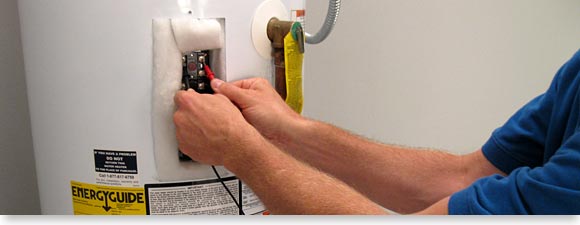
Turn off the power to the water heater first. Remove the access panel on the side. You will see the thermostat behind a metal cover. It usually sits near the heating element. Use a screwdriver to take off the cover carefully.
Measure Temperature Settings
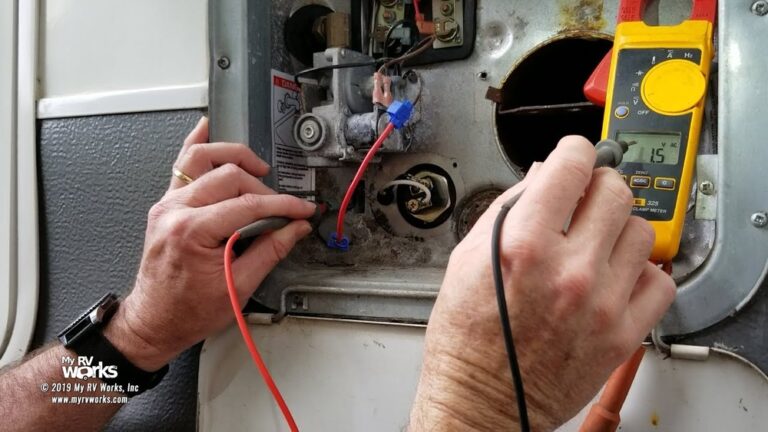
Set your multimeter to measure volts or ohms. Attach the probes to the thermostat terminals. Check if the thermostat shows correct continuity or resistance. Compare the reading with the manufacturer’s guide. A wrong reading means the thermostat may be faulty.
Swap Faulty Thermostat
Switch off the power again to stay safe. Unscrew the wires connected to the old thermostat. Remove the faulty thermostat from its place. Install the new thermostat and attach the wires tightly. Replace the metal cover and power on the heater. Check if the water heats up properly now.
Checking And Fixing Heating Element
Checking and fixing the heating element is a key step when your Whirlpool water heater is not heating. The heating element warms the water inside the tank. If it fails, the water stays cold. This section explains how to identify, test, and replace the heating element safely.
Identify Heating Element
Turn off the power to your water heater at the breaker. Remove the access panel on the side of the heater. You will see the heating element inside the tank. It looks like a metal rod attached to the tank. Usually, there are two heating elements—one at the top and one at the bottom.
Test Continuity
Use a multimeter to check the heating element’s continuity. Set the meter to the lowest ohm setting. Touch the probes to the terminals of the heating element. A reading near zero means the element works. Infinite or no reading means it is defective.
Replace Defective Element
Drain some water from the tank to lower the water level below the element. Unscrew the defective element with a suitable wrench. Insert the new heating element and tighten it securely. Refill the tank and restore power. Check for proper heating after replacement.
Removing Sediment Build-up
Sediment build-up inside a Whirlpool water heater can cause poor heating. Over time, minerals from water settle at the tank’s bottom. This layer blocks heat transfer, making your water cold or lukewarm. Removing sediment improves the heater’s efficiency and extends its life.
Drain Water Heater
First, turn off the power or gas supply. Attach a hose to the drain valve at the tank’s base. Open the valve and let the water flow out. This process removes some sediment with the water. Be careful; the water may be hot.
Flush Tank Thoroughly
Close the drain valve after draining. Open the cold water supply to the tank. Let water run through the drain valve again. This flushes out remaining sediment inside the tank. Repeat flushing until the water runs clear. This step clears most of the build-up.
Regular Maintenance Tips
Flush your water heater every six months. Use a water softener if your water is hard. Check the anode rod yearly and replace if needed. These steps help prevent sediment build-up. They keep your water heater working well for years.
When To Call A Professional
Knowing when to call a professional for your Whirlpool water heater saves time and avoids damage. Some issues need expert tools and skills. Others might be risky to handle alone. Recognizing these signs helps keep your home safe and your water heater working well.
Persistent Heating Issues
If your water heater keeps failing to heat water properly, it may need professional help. Repeated attempts to fix the problem without success mean deeper issues. A technician can find hidden faults that simple checks miss. Avoid wasting time with temporary fixes.
Complex Electrical Problems
Water heaters use electrical parts that can be dangerous. Strange noises, sparks, or tripped breakers signal electrical trouble. Handling electrical issues without training risks shocks or fire. Professionals have the right tools and knowledge to fix these safely.
Warranty And Service Support
Many Whirlpool water heaters come with a warranty. Calling a professional for repairs keeps your warranty valid. Unauthorized repairs may void the warranty and cause extra costs. Experts also provide proper service and use original parts for best results.
:max_bytes(150000):strip_icc()/reasons-gas-water-heater-not-working-5212987-hero-fe6b82a59053421c88b7d13ea311d3c5.jpg)
Credit: vixencomposites.com
Credit: www.whirlpoolwaterheaters.com
Frequently Asked Questions
Why Is My Whirlpool Water Heater Not Heating Water?
Common causes include faulty heating elements, tripped breakers, or thermostat issues. Check power supply and reset the breaker. Test and replace heating elements if necessary. Ensure the thermostat is set correctly and functioning properly.
How Do I Reset My Whirlpool Water Heater?
Locate the reset button, usually behind the access panel. Press the button firmly until you hear a click. Wait a few minutes for the heater to restart. If it doesn’t reset, check for electrical issues or call a professional.
Can Sediment Buildup Cause Heating Problems?
Yes, sediment buildup can insulate heating elements, reducing efficiency. Drain and flush the tank annually to remove sediment. This maintenance improves heating performance and extends the water heater’s lifespan.
When Should I Replace My Whirlpool Water Heater?
Replace it if you experience frequent breakdowns or leaks. Water heaters typically last 8-12 years. If repairs are costly or ineffective, investing in a new unit is best for safety and efficiency.
Conclusion
A Whirlpool water heater not heating can cause daily discomfort. Check the thermostat and power supply first. Sometimes, resetting the unit fixes the problem quickly. Sediment build-up might also block heating efficiency. Regular maintenance helps prevent future issues. Calling a professional is best if problems persist.
Warm water is essential for home comfort. Taking simple steps can restore your heater’s function soon. Don’t wait too long to address the issue. Stay safe and enjoy warm showers again.