Are you tired of waiting minutes for hot water every time you turn on your tap? A hot water heater recirculating pump installation could be the simple fix you need.
Imagine getting instant hot water right when you want it, saving you time, water, and money. You’ll discover how this small device can make a big difference in your daily routine. Keep reading to learn how to install one yourself or find the best option for your home.
Your comfort and convenience are just a few steps away.
Credit: www.prestigedentalsmiles.com
Benefits Of Recirculating Pumps
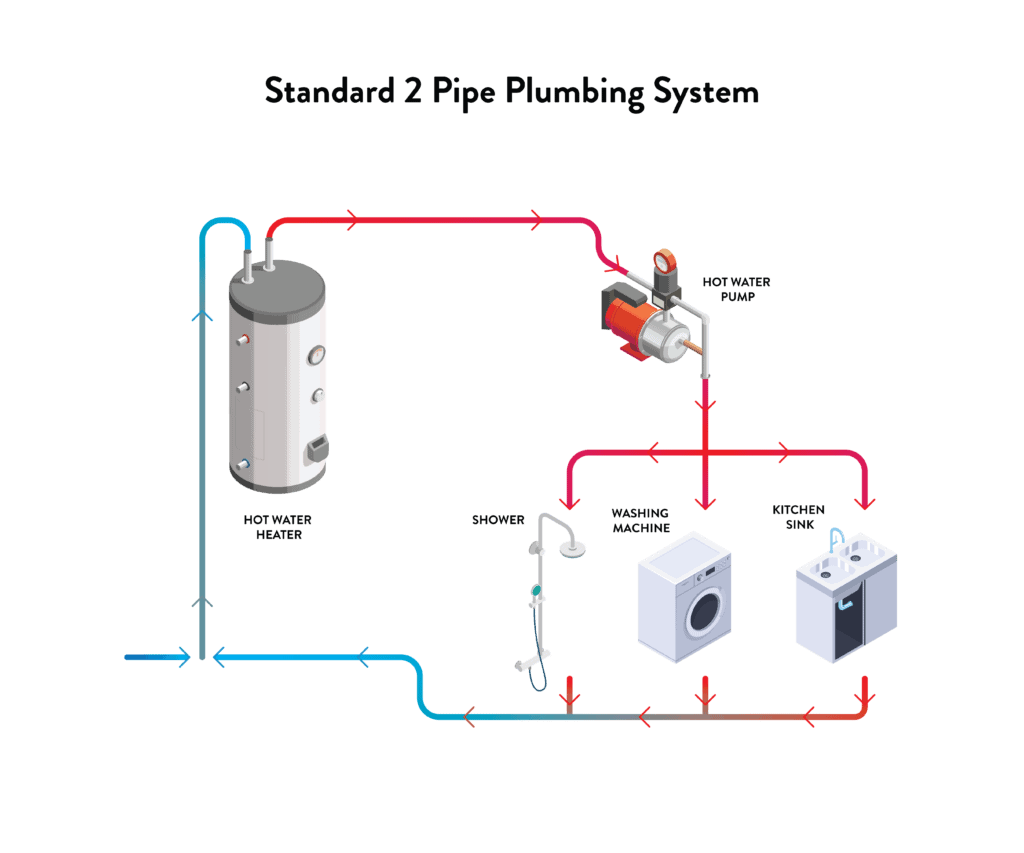
Recirculating pumps offer many benefits for home hot water systems. They help save energy, reduce water waste, and increase comfort. These pumps keep hot water moving through pipes, so it is ready when needed. This means less waiting for hot water and more convenience in daily life.
Energy Savings
Recirculating pumps reduce the energy used to heat water repeatedly. They keep water warm in the pipes, so the heater works less. This lowers your energy bills and helps the environment. Using less energy means less fuel or electricity is needed.
Improved Water Efficiency
These pumps cut down water waste by delivering hot water quickly. No more running taps waiting for hot water. This saves gallons of water every day. Saving water helps reduce your water bill and conserves natural resources.
Convenience And Comfort
Hot water is available instantly at any faucet or shower. No more cold water bursts or long waits. This adds comfort to your daily routine. Enjoy quick showers and fast dishwashing with warm water ready.

Credit: diy.stackexchange.com
Types Of Recirculating Pumps
Recirculating pumps help deliver hot water faster in your home. Different types serve various needs and budgets. Choosing the right pump can save water and energy.
Understanding the main types of pumps helps pick one that fits your system well. Each type works in a unique way to improve hot water flow.
Demand-controlled Pumps
Demand-controlled pumps start only when you need hot water. A button or sensor activates the pump. This reduces energy waste and water loss. It works best in homes with irregular water use. You get hot water quickly without running the pump all day.
Timer-controlled Pumps
Timer-controlled pumps run at set times each day. You set the pump to operate during peak water use hours. This method saves energy by not running constantly. It suits households with regular schedules. Hot water is ready when you expect it.
Thermostatic Pumps
Thermostatic pumps work based on water temperature. They turn on when water cools below a set point. The pump runs until water reaches the desired heat. This type keeps water warm without wasting energy. It is ideal for homes with steady hot water needs.
Tools And Materials Needed
Installing a hot water heater recirculating pump needs specific tools and materials. Having the right items ready makes the job easier and faster. This section lists the necessary tools and materials for a smooth installation process.
Pump Models And Specifications
Choose a pump that fits your water heater system size. Check the pump’s flow rate and pressure ratings. Pick a model with low noise and energy efficiency. Some pumps have built-in timers or sensors. These features can save energy and improve comfort.
Piping And Fittings
Use copper or PEX pipes for durability and flexibility. Get the right pipe size to match your pump and water heater. Include fittings like elbows, tees, and unions for easy connection. Use Teflon tape on threaded joints to prevent leaks. Keep extra pipe and fittings for adjustments.
Installation Tools
A pipe cutter or hacksaw is needed to cut pipes cleanly. Use a wrench set to tighten fittings securely. A screwdriver helps with pump mounting and wiring. A voltage tester ensures safe electrical connections. Have plumber’s tape and sealant for leak-proof joints. A bucket and rags help clean spills during work.
Credit: www.airoxnigen.com
Preparation Steps
Preparing for a hot water heater recirculating pump installation is important. Proper preparation makes the process easier and safer. This section covers the key steps you must take before starting the installation. Follow each step carefully to avoid problems.
Shutting Off Water And Power
First, turn off the water supply to the heater. This stops water flow and prevents leaks. Next, switch off the power to the heater. This step is vital to avoid electric shock. Confirm that both water and power are fully off before moving on.
Draining The System
Drain the hot water from the heater and pipes. Use a hose to direct water to a safe drain area. Draining reduces pressure and stops water spills during installation. Make sure the system is fully empty before you begin work.
Locating Installation Points
Find the best place for the recirculating pump. Usually, it installs near the water heater or under the sink. Check for easy access to water lines and power outlets. Mark these spots clearly to guide your installation.
Installation Process
Installing a hot water heater recirculating pump helps deliver hot water faster. The process involves a few clear steps. Each step ensures the pump works well and lasts long. Understanding these steps makes installation easier and safer.
Mounting The Pump
Choose a spot near the water heater for the pump. It must be close to the hot water outlet. Secure the pump on a solid surface using screws or brackets. Make sure it is stable and upright. Avoid places with high heat or moisture.
Connecting Pipes
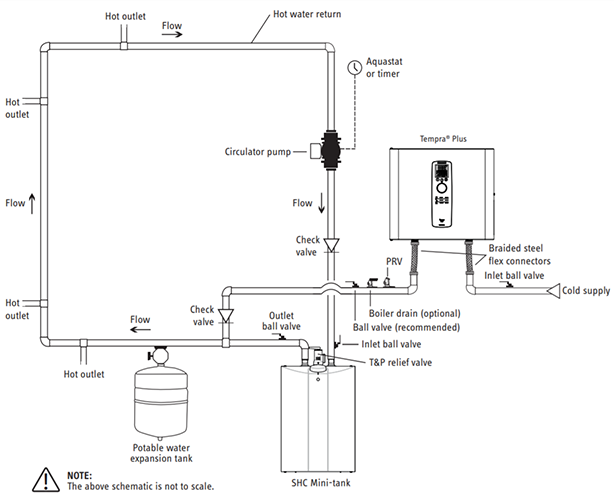
Turn off the main water supply before starting. Connect the pump to the hot water line using proper fittings. Use pipe thread tape to prevent leaks. Attach the return line to the cold water pipe. Check all connections are tight and aligned.
Electrical Wiring
Switch off the power at the circuit breaker. Connect the pump wires to the power source following the manual. Use wire nuts to secure electrical connections. Ground the pump properly to avoid shocks. Double-check all wires are connected correctly.
Testing For Leaks And Functionality
Turn on the water supply slowly to check for leaks. Watch all joints and fittings closely. Fix any leaks by tightening or resealing. Restore power and run the pump. Ensure hot water flows quickly and the pump runs quietly.
Maintenance Tips
Maintaining your hot water heater recirculating pump helps keep it working well. Regular care prevents breakdowns and saves money. Simple maintenance steps keep water flowing fast and hot.
Regular Inspection
Check the pump every month. Look for leaks or strange noises. Make sure the power supply is secure. Inspect all pipes and valves for damage. Early spotting of problems avoids bigger repairs.
Cleaning The Pump
Turn off the power before cleaning. Remove any dirt or debris on the pump. Clean the filter screen if your pump has one. A clean pump runs more efficiently and lasts longer. Wipe the exterior with a damp cloth to keep it dust-free.
Troubleshooting Common Issues
If water flow slows, check for clogged pipes. Listen for unusual sounds that might signal trouble. Reset the pump if it stops working. Replace worn-out parts quickly to avoid damage. Keep a simple toolkit nearby for small fixes.
Cost Considerations
Understanding the costs of installing a hot water heater recirculating pump helps plan your budget. This section breaks down the main expenses and savings. Knowing these details can guide your decision and avoid surprises.
Initial Investment
The initial cost includes the pump price and installation fees. Pump models vary in price depending on features and brand. Installation might require a plumber, which adds to the cost. On average, expect to spend a few hundred dollars.
Choosing a simple pump reduces upfront expenses. Complex systems with timers or sensors cost more. Consider the total price before buying to match your budget.
Energy Cost Savings
A recirculating pump saves water and energy over time. It reduces the wait for hot water at taps. Less water wasted means lower water bills. The pump uses electricity, but the amount is small.
Energy savings depend on usage habits and pump type. Some pumps turn off automatically to save power. Over months, savings can balance the initial investment.
Potential Rebates And Incentives
Some regions offer rebates for energy-saving home upgrades. Installing a recirculating pump might qualify for these programs. Check local utility companies for current offers.
Rebates can lower the overall cost significantly. Incentives encourage the use of efficient appliances. Applying for these programs can make installation more affordable.
Conclusion
A hot water heater recirculating pump saves time and water daily. It keeps hot water ready at your taps quickly. Installing one can lower your water bills and reduce waste. The process is straightforward with the right tools and steps.
This small change brings comfort and convenience to your home. Consider this upgrade for better hot water access anytime you need it. Simple, effective, and worth the effort.