Is your water heater not lighting up like it used to? A faulty igniter could be the reason behind cold showers and rising energy bills.
But don’t worry—you don’t need to call a costly professional just yet. Replacing your water heater igniter is easier than you think, and you can do it yourself with a few simple steps. In this guide, you’ll learn exactly how to fix the problem quickly and safely, saving time and money.
Keep reading, and soon you’ll enjoy warm water again without hassle.
Signs Of A Faulty Igniter
Recognizing the signs of a faulty igniter is important for water heater maintenance. A broken igniter stops the heater from lighting properly. This causes no hot water and can lead to bigger problems. Early detection saves time and money. It also keeps your home safe.
Common Symptoms
One common sign is a clicking sound without flame ignition. The igniter tries to spark but fails. Another symptom is a delayed or no ignition. The heater may take longer to start or not start at all. You might smell gas if the igniter does not light the burner. This is a serious warning. The water heater could shut off suddenly or cycle on and off too often. These signs indicate the igniter needs attention.
Safety Precautions
Turn off the power before inspecting the igniter. Gas supply should also be shut off to avoid leaks. Never touch the igniter with wet hands or metal tools. Use gloves to protect your skin. Work in a well-ventilated area. Avoid open flames or sparks near the heater. Follow manufacturer instructions carefully. Safety comes first when handling water heaters.
Credit: www.amazon.com
Tools And Materials Needed
Replacing a water heater igniter needs the right tools and materials. Having them ready makes the job easier and faster. It also helps avoid mistakes and keeps you safe. Gather everything before starting to save time and effort.
Essential Tools
- Screwdriver set – flathead and Phillips
- Multimeter for checking electrical connections
- Adjustable wrench or pliers
- Flashlight to see inside the heater
- Work gloves for hand protection
- Wire brush to clean contacts
- Bucket or towel to catch water drips
Replacement Parts
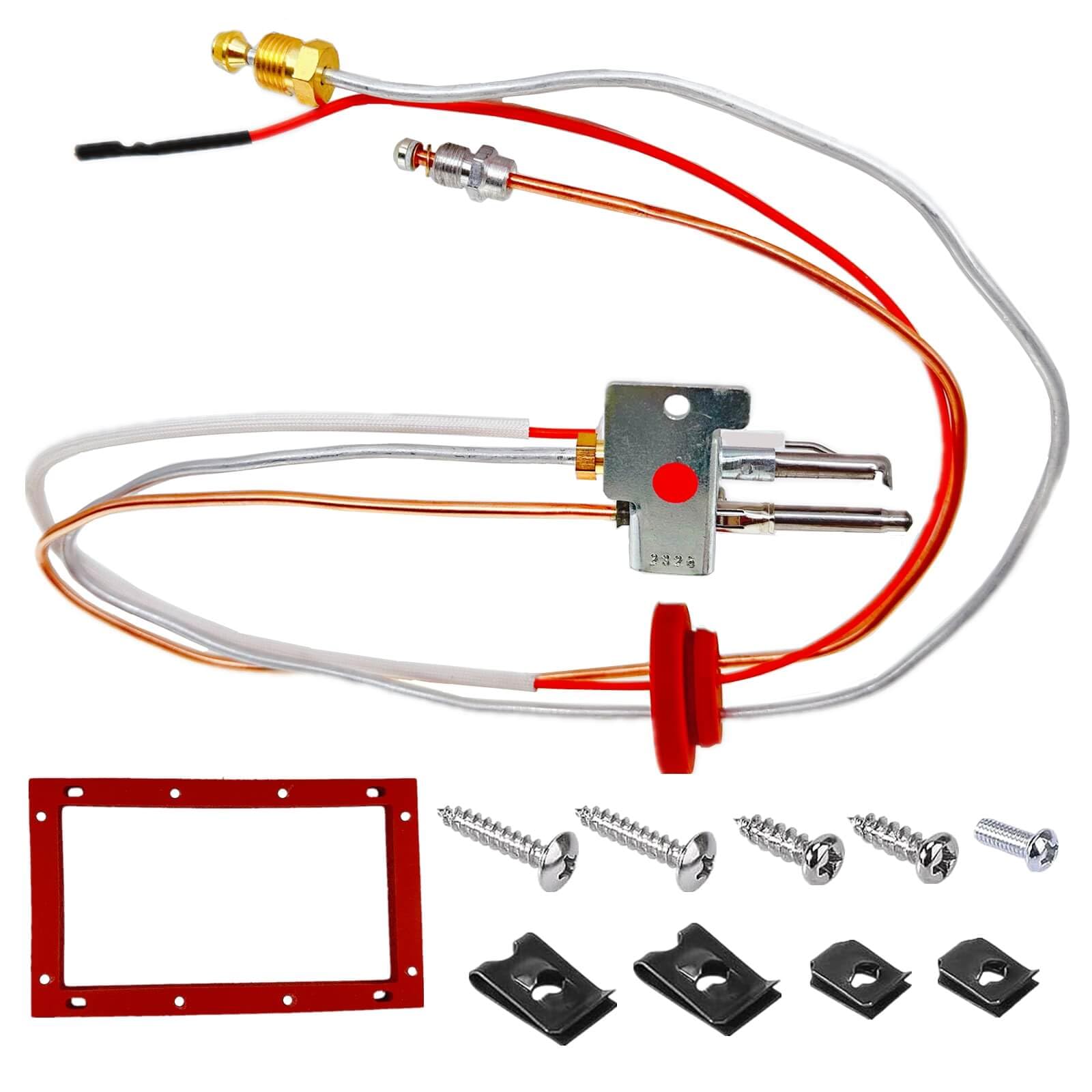
- New igniter compatible with your water heater model
- Replacement screws if the old ones are rusty or damaged
- Electrical connectors or terminals, if needed
- Sealant or gasket to prevent leaks around the igniter
Preparing For Replacement
Preparing to replace your water heater igniter is a key step. Safety comes first. Proper preparation helps avoid accidents and damage. You need to work carefully and follow clear steps.
Gather all tools and materials before you start. Clear the area around the water heater. Make sure you have good lighting and space to move.
Turning Off Power And Gas
First, turn off the power to the water heater. Locate the circuit breaker and switch it off. This stops electricity from flowing to the unit.
Next, shut off the gas supply. Find the gas valve near the heater and close it. This prevents any gas leaks or explosions.
Double-check both power and gas are off. Use a voltage tester for electricity and smell for gas. Safety is the top priority.
Accessing The Igniter
Remove the access panel on the water heater. Use a screwdriver to take out the screws. Keep them safe for reassembly.
Look inside to find the igniter. It is usually near the burner assembly. Clear away any dust or dirt around it.
Take care when handling the igniter. It is fragile and can break easily. Make sure the area is well-lit and you have a steady hand.
Removing The Old Igniter
Removing the old igniter is the first step to replace a water heater igniter. This part helps start the heater by creating a spark. Over time, it can wear out or break. Taking it out safely avoids damage to the heater. Follow these steps carefully to remove the old igniter without problems.
Disconnecting Wiring
Before touching the igniter, turn off the power supply. Locate the igniter wires inside the heater panel. Gently pull the connectors off the igniter terminals. Do not pull the wires themselves to avoid damage. Make sure the wires are clear and separated to prevent short circuits.
Extracting The Igniter
Find the mounting screws holding the igniter in place. Use a screwdriver to remove these screws carefully. Pull the igniter out slowly from its slot. Avoid bending or breaking the fragile tip of the igniter. Keep the old igniter aside for comparison with the new one.
Installing The New Igniter
Installing the new igniter is the key step in replacing your water heater igniter. This part creates the spark needed to light the burner and heat water. Proper installation ensures your water heater works safely and efficiently.
Follow each step carefully to position and connect the igniter correctly. A secure setup prevents issues like gas leaks or failure to ignite.
Positioning The Igniter
Place the igniter in the same spot as the old one. It should sit close to the burner for the spark to reach the gas. Check that the igniter tip is not touching any metal parts. Keep a small gap to avoid damage and ensure a strong spark.
Align the mounting holes. Use screws to hold the igniter firmly in place. Avoid over-tightening, which can crack the igniter.
Connecting Wires Securely
Attach the wires to the igniter terminals firmly. Loose wires can stop the spark or cause electrical shorts. Match wire colors and terminal positions exactly as before. Push connectors fully onto the terminals to ensure a tight fit.
Double-check all connections before closing the water heater cover. Proper wiring is critical for safe ignition and long igniter life.
:max_bytes(150000):strip_icc()/replacing-water-heater-thermocouple-flame-sensor-1824918-02-c867831fe43644f0ae9b04344e18f64f.jpg)
Credit: www.griceviz.com
Testing The New Igniter
Testing the new igniter is a key step after installation. It ensures the water heater lights safely and works well. Careful testing helps avoid future problems and keeps your home safe.
Restoring Power And Gas
First, turn the power back on to the water heater. This usually means switching the breaker to the “on” position. Next, open the gas valve slowly. Be cautious and listen for any unusual sounds. Restoring power and gas sets the stage for the igniter to work.
Checking For Proper Function
Press the igniter button or switch to start the heater. Watch closely for a spark or light. The burner should ignite within a few seconds. If it lights quickly and stays on, the igniter works well. If not, check connections or try again. Proper function means your new igniter is ready to use.
Troubleshooting Tips
Troubleshooting your water heater igniter after replacement helps ensure it works properly. Small problems can stop the igniter from sparking. Some issues are easy to fix. Others need a professional’s help.
Common Issues After Replacement
The igniter does not spark. Check if it is connected correctly. Loose wires can cause this problem. Dirt or debris on the igniter tip can block sparks. Clean the tip gently with a soft cloth.
The water heater fails to light. Confirm the gas supply is turned on. Sometimes air trapped in gas lines stops ignition. Try turning the heater off and on again.
Igniter sparks but the flame goes out quickly. This can mean a weak gas flow. Check if the gas valve is fully open. Inspect for any gas leaks or blockages.
When To Call A Professional
Electrical parts can be dangerous. Stop and call a professional if unsure about handling wires. Gas leaks need immediate expert attention for safety.
If the water heater still does not light after simple fixes, seek help. A technician can find hidden problems quickly. Avoid risking damage or injury.
Regular maintenance by a professional improves water heater life. Schedule service if problems occur often or the unit is old.

Credit: www.youtube.com
Conclusion
Replacing a water heater igniter can save time and money. Follow each step carefully and take safety precautions. Use the right tools to avoid damage. Check the igniter before buying a new one. This simple repair helps keep your water heater working well.
Feel confident tackling this task yourself. A working igniter means hot water when you need it. Stay patient and work slowly for the best results.