Imagine stepping into your home, expecting the cozy embrace of warmth and comfort, only to be greeted by an unsettling smell resembling gas. It’s enough to send a chill down your spine and make your heart race.
If you’ve recently installed or been using a tankless water heater and find yourself in this unnerving situation, you’re not alone. You’re likely feeling a mix of confusion and concern about why your tankless water heater exhaust smells like gas.
Is it dangerous? Could it lead to something worse? These are valid questions, and understanding the root cause is essential for your peace of mind and safety. We’ll unravel the mystery behind this alarming odor, explore potential risks, and guide you on what steps to take next. So, if you’re ready to turn your concern into confidence and ensure your home remains a safe haven, read on.
Causes Of Gas Smell
A gas smell might mean a gas leak. This can be dangerous. It’s important to check all connections. Tighten any loose ones. If the smell is strong, call a professional. They have tools to find leaks. Safety first!
Ventilation is key. Without it, gas builds up. Ensure vents are clear and working. Blocked vents stop airflow. This causes gas smell. Regular checks help keep vents open. Clean them often to avoid issues.
Installation must be correct. Errors can cause gas leaks. Always hire a trained installer. They know how to set up heaters. Incorrect setups lead to problems. Follow guidelines for safe installation.
Safety Concerns
Gas smells can be very dangerous. Breathing gas can make you sick. People might feel dizzy or get headaches. Long exposure is not safe. It can hurt your health. It’s important to fix this quickly.
Gas leaks can cause fires. Fires can start fast. Sparks or flames can light the gas. This is very dangerous. Homes can get damaged. It’s important to check for leaks. Safety checks can help prevent fires.
Carbon monoxide is a sneaky gas. It has no smell or color. Breathing it can be deadly. It stops oxygen from getting to your body. People may feel tired or sleepy. Detectors can help find carbon monoxide. They keep families safe.
Troubleshooting Steps
Check all connections around the water heater. Ensure they are tight. Loose connections can cause gas smells. Use a wrench to tighten them. Look for any visible damage. Damaged pipes or valves need fixing. Call a plumber if you find a problem.
Proper ventilation is important. Make sure vents are not blocked. Blocked vents can trap gas inside. Look for debris or dirt in the vents. Clean them if needed. Good airflow prevents gas smell. Check nearby windows and doors.
Correct installation prevents issues. Check if the water heater is installed correctly. Look at the manual for proper setup. Ensure the exhaust pipe is straight. Bent pipes can cause gas smell. Call a professional if unsure. Professional help is always safer.

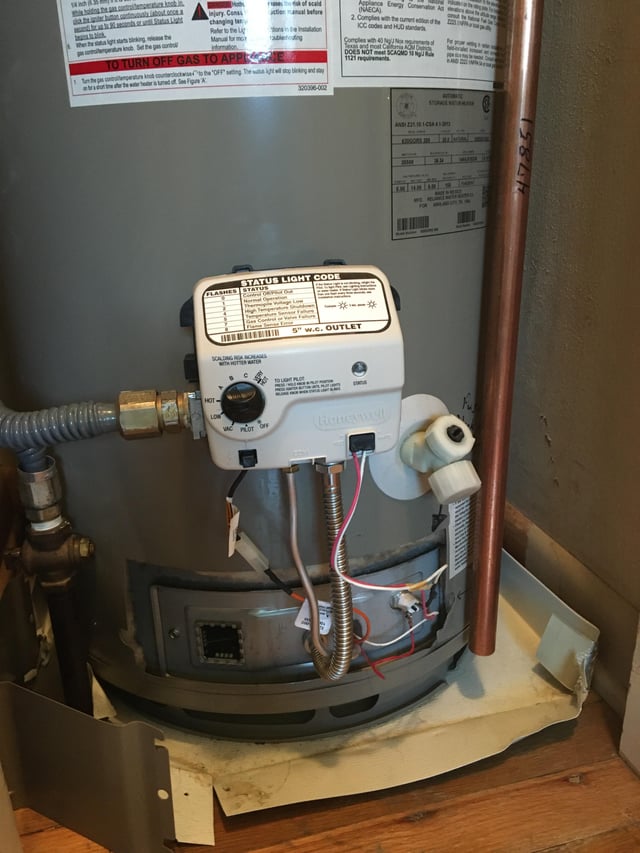
Credit: www.reddit.com
Professional Help
Experiencing a gas smell from your tankless water heater exhaust signals a potential safety issue. Expert help ensures proper diagnosis and repair, safeguarding your home from risks. Prompt attention to this problem prevents hazards and maintains efficient water heater performance.
When To Call A Technician
Smelling gas is serious. Safety first. Turn off the heater. Ventilate the area to clear gas. Call a technician if the smell stays. Experts handle gas issues. Technicians know what to do. They find leaks or problems quickly. Trust their skills.
What To Expect From A Service Visit
The technician checks your heater. They look for leaks or damage. The heater is tested for safety. Technicians explain what is wrong. They fix the issue. You can ask questions. Learn how to keep your heater safe. Peace of mind with expert help.
Preventive Measures
Regular checks keep your heater safe. Clean filters often. Watch for leaks around pipes. Inspect vents for blockages. Replace worn parts quickly. Safety first with every maintenance.
Correct installation is crucial. Follow all instructions. Use correct tools. Double-check connections. Ensure proper venting. Hire professionals for complex setups. Secure all fittings tightly.
Stay alert to changes. Smell gas? Turn off heater. Hear odd noises? Investigate quickly. Notice low heat? Check settings. See rust? It might need repairs. Be proactive with issues.

Credit: forum.nachi.org
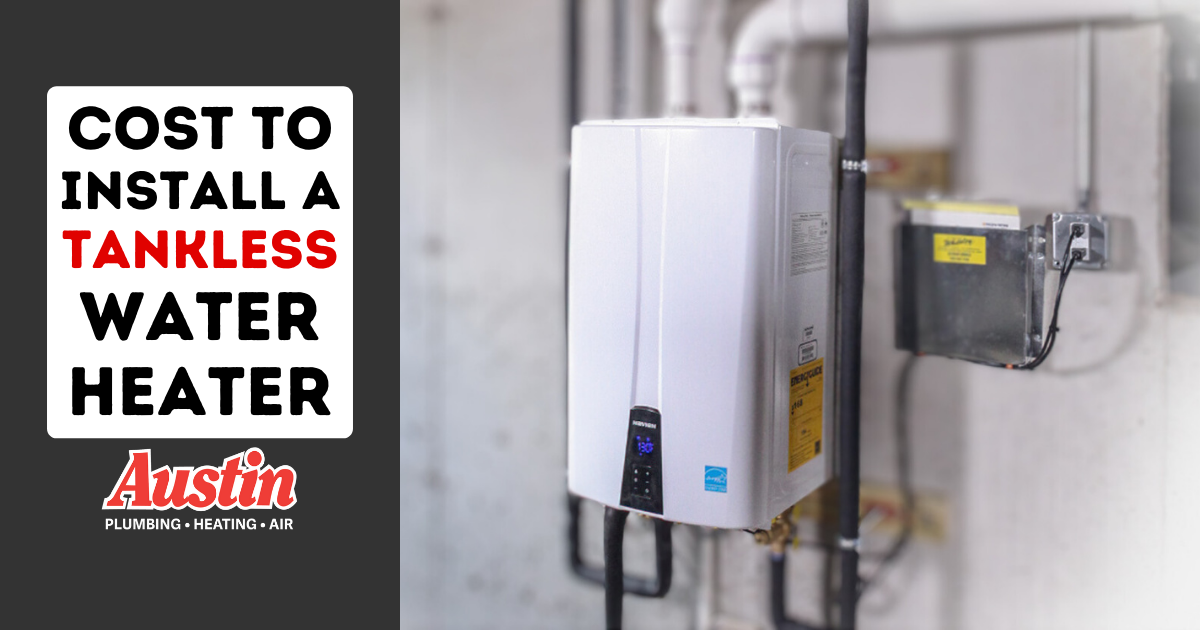
Credit: teamaustin.com
Frequently Asked Questions
Should A Water Heater Exhaust Smell Like Gas?
A water heater exhaust should not smell like gas. This may indicate a potential leak or malfunction. Contact a professional immediately to inspect and repair the issue. Ensuring safety is crucial to prevent hazards related to gas leaks. Regular maintenance can help avoid such problems.
What Comes Out Of A Tankless Water Heater Exhaust?
Tankless water heater exhaust releases combustion gases, mainly carbon dioxide and water vapor. Ensure proper ventilation to avoid harmful exposure. Regular maintenance helps keep exhaust emissions safe and efficient.
How To Fix Exhaust Smell From Hot Water Heater?
Check for leaks in the vent pipe and ensure proper ventilation. Clean the burner and replace any faulty parts. Seal any gaps in the exhaust system to prevent fumes. If the issue persists, contact a professional technician for a thorough inspection and repair.
Do Tankless Water Heaters Emit Gas?
Tankless water heaters can emit gas if they are gas-powered. Electric tankless heaters do not emit gas. Proper installation and ventilation are crucial for gas models to prevent gas leaks or emissions. Always consult professionals for installation and maintenance to ensure safety and efficiency.
Conclusion
Detecting a gas smell from your tankless water heater can be alarming. Immediate action is crucial. Ensure your safety by contacting a professional for help. Regular maintenance can prevent gas leaks and ensure efficient operation. Check for obstructions in the venting system.
Clear airflow ensures proper exhaust. Always prioritize safety and efficiency. Remember, addressing issues early can save time and money. Stay informed about your appliance’s condition. Safe practices keep your home secure. Trust experts for complex repairs. Your peace of mind matters most.
A well-maintained heater ensures comfort and safety for your family.