Are you wondering if your water heater can be vented through your chimney? Understanding how your water heater vents is crucial for safety and efficiency.
Using your chimney to vent your water heater might seem like a simple solution, but there are important details you need to know before making this choice. You’ll discover how venting through a chimney works, the benefits and risks involved, and what you should consider to keep your home safe and warm.
Keep reading to make sure your water heater is working the way it should—and protecting your family at the same time.
Water Heater Venting Basics
Water heaters need a way to release gases safely outside the home. Venting removes harmful fumes produced during heating. Proper venting helps keep air clean and prevents dangerous gas buildup. Understanding the basics of water heater venting ensures safety and efficiency.
Types Of Venting Systems
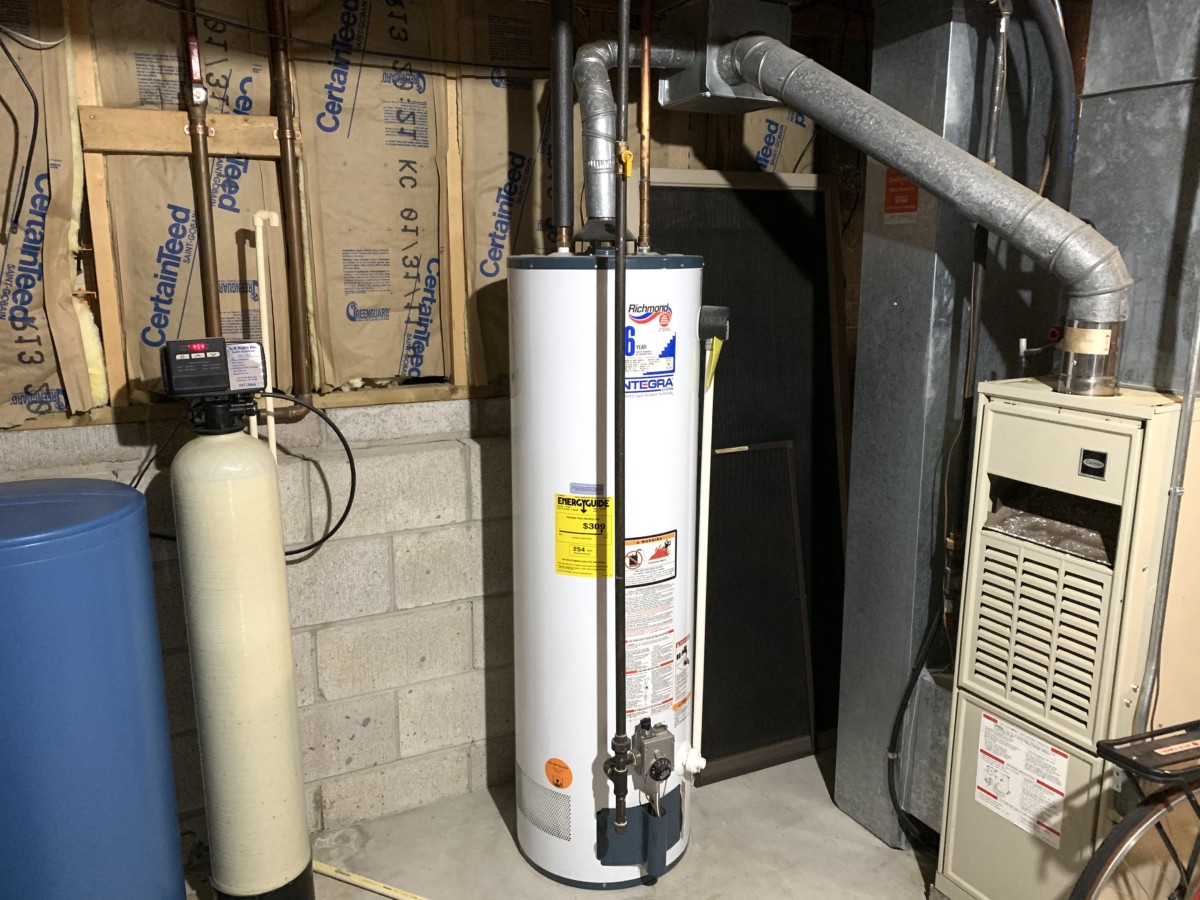
There are several venting types for water heaters. The main types include natural draft, power vent, and direct vent. Natural draft vents use hot air rising to push gases out. Power vents use a fan to force gases outside. Direct vents pull air from outside and push fumes out. Each type suits different home setups and heater models.
How Chimney Venting Works
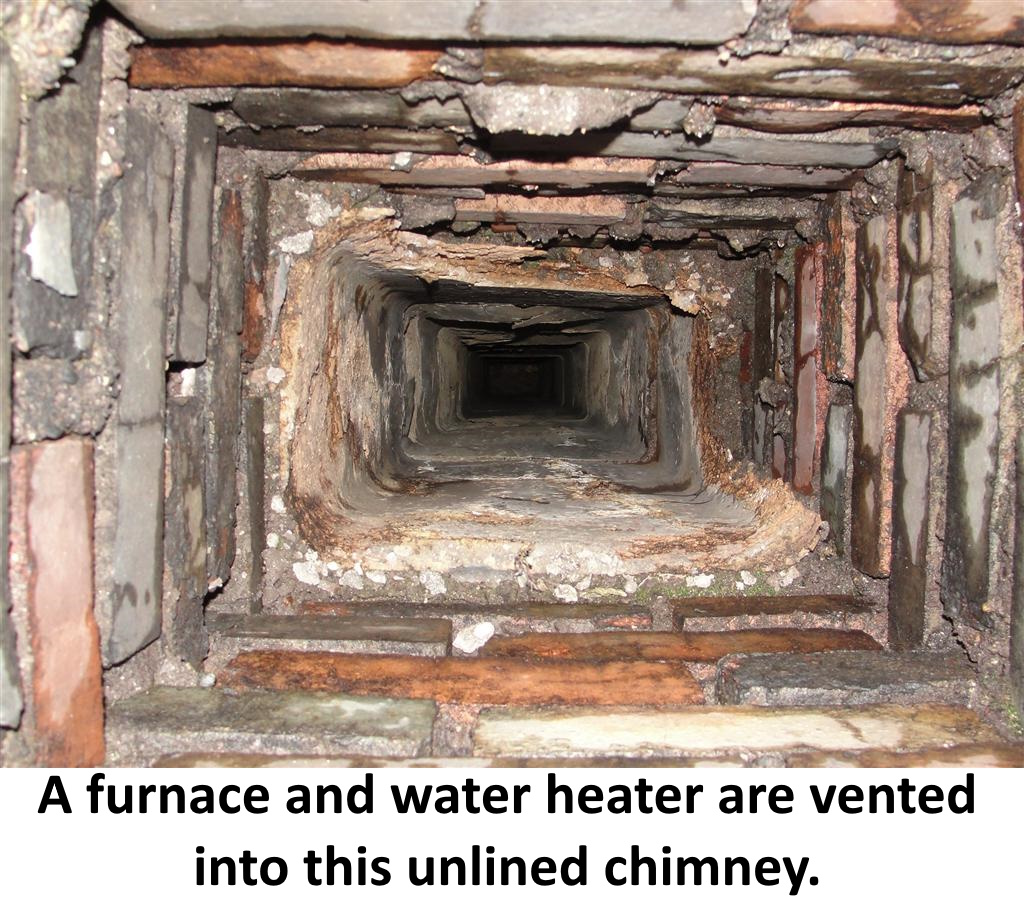
Chimney venting uses a vertical chimney to guide gases outside. Hot air from the water heater rises naturally through the chimney. This process keeps harmful gases away from living spaces. Chimneys must be clear and well-maintained for safe venting. Proper chimney venting relies on good airflow and correct installation.
Credit: structuretech.com
Benefits Of Chimney Venting
Venting a water heater through a chimney offers several key advantages. It helps the heater work better and keeps your home safer. Understanding these benefits can guide you in choosing the right venting method. Below are some important benefits of chimney venting for water heaters.
Improved Draft And Efficiency
Chimneys create a natural draft that pulls gases outside. This draft helps the water heater burn fuel more efficiently. A better draft means the heater uses less energy. It also keeps the flame steady and strong. This leads to faster heating and lower energy bills.
Reduced Indoor Air Pollution
Venting through a chimney removes harmful gases from your home. Carbon monoxide and other fumes exit safely outside. This prevents these gases from building up indoors. Cleaner air makes your home healthier and safer for everyone. Proper venting reduces the risk of breathing problems and headaches.
Common Safety Concerns
Water heaters vented through chimneys need careful attention. Safety risks can arise if venting is not done correctly. Knowing common safety concerns helps keep your home safe.
Carbon Monoxide Risks
Carbon monoxide is a dangerous gas produced by water heaters. It has no color or smell. Poor chimney venting can allow this gas to enter your home. This can cause headaches, dizziness, or even death. Proper chimney maintenance and vent installation reduce these risks.
Fire Hazards
Chimneys carrying hot gases can cause fires if blocked or damaged. Creosote and soot buildup inside the chimney can ignite easily. Flammable materials near the chimney increase fire chances. Regular cleaning and inspections lower fire hazards.
Backdrafting Issues
Backdrafting happens when smoke or gases flow back into the home. This can occur if the chimney is blocked or poorly designed. It causes indoor air pollution and health problems. Ensuring clear chimney paths prevents backdrafting problems.
Credit: plumbingreview.net
Installation Best Practices
Installing a water heater vented through a chimney requires care and attention. Good practices ensure safety and efficient operation. Following proper steps prevents problems like leaks or poor ventilation.
Proper Sizing And Materials
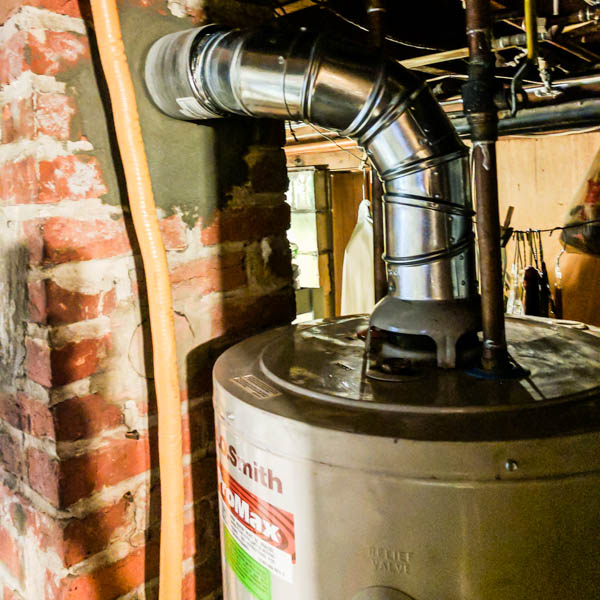
Choose vent pipes that match the water heater’s size. Pipes too small or large cause venting issues. Use materials that resist heat and corrosion. Stainless steel is often the best choice. Avoid using plastic or low-grade metals. Proper pipe diameter and length are crucial for safe airflow.
Chimney Inspection And Maintenance
Check the chimney before installation. Remove blockages like soot, nests, or debris. Look for cracks or damage that could leak gases. Clean the chimney regularly to keep it clear. Inspect the chimney cap and flashing. Fix any problems to avoid hazards and improve venting.
Maintenance Tips
Proper maintenance of a water heater vented through a chimney is essential for safety and efficiency. Regular care helps prevent dangerous gas buildup and keeps the system working well. Simple steps can extend your water heater’s life and save energy costs.
Regular Cleaning Schedules
Set a cleaning schedule for your chimney vent. Remove soot and debris that block airflow. Clean the chimney at least once a year. Check for creosote buildup, which can cause fires. Use a chimney brush or hire a professional for thorough cleaning. Keep the vent clear to ensure proper gas release.
Signs Of Vent Blockage
Watch for signs of vent blockage to avoid hazards. Look for yellow or flickering flames in the heater. Notice any strong gas odors near the water heater. Check for soot marks around the vent or appliance. If the water heater shuts off often, it may be blocked. These signs mean you should inspect and clean the vent immediately.
Troubleshooting Vent Problems
Troubleshooting vent problems is key to keeping your water heater safe and efficient. Vents that use a chimney can face issues like leaks and poor draft. These problems can cause dangerous gases to build up or reduce heating performance. Understanding how to spot and fix these issues helps protect your home and family.
Detecting Leaks And Damage
Leaks in the vent or chimney can let harmful gases escape into your home. Check the chimney for cracks, rust, or loose joints. Look for soot marks or water stains around the vent area. These signs often point to leaks or damage. Use a flashlight to inspect hard-to-see spots. If you smell gas or notice unusual odors, act quickly. Fixing leaks early stops bigger problems later.
Addressing Poor Draft
Poor draft means the chimney does not pull the gases out properly. This can cause smoke or fumes to enter your living space. Check if the chimney is blocked by debris, birds’ nests, or creosote buildup. Clear any blockages carefully. Cold weather can cause draft issues too. Installing a chimney cap or a draft inducer may help. Proper draft keeps your water heater running safely and smoothly.
When To Call A Professional
Knowing when to call a professional for your water heater vented through the chimney is very important. This system needs care to keep it working safely and well. Some problems may look small but can cause big damage. Calling an expert can save you time, money, and keep your home safe.
Routine Inspections
Regular checks by a professional help find small problems early. The expert will look at the vent, chimney, and connections. They check for blockages, leaks, or rust. These inspections stop dangerous gases from building up. They also ensure your water heater runs efficiently. Having a professional check once a year is a smart choice.
Emergency Repairs
Call a professional right away if you see smoke inside the home. Strange smells near the water heater need urgent attention too. Loud noises or water leaks are signs of trouble. These issues can be dangerous and cause damage fast. Only trained experts should fix emergency problems. Quick action keeps your family safe and avoids costly repairs.
Credit: www.bethesdachimney.com
Conclusion
Venting a water heater through a chimney needs care and attention. Always check local rules before starting any work. Proper venting keeps your home safe and warm. Regular maintenance helps avoid problems and saves money. Choose the right materials for a strong, lasting vent.
Remember, a well-vented heater works better and lasts longer. Stay safe and comfortable with good venting practices.