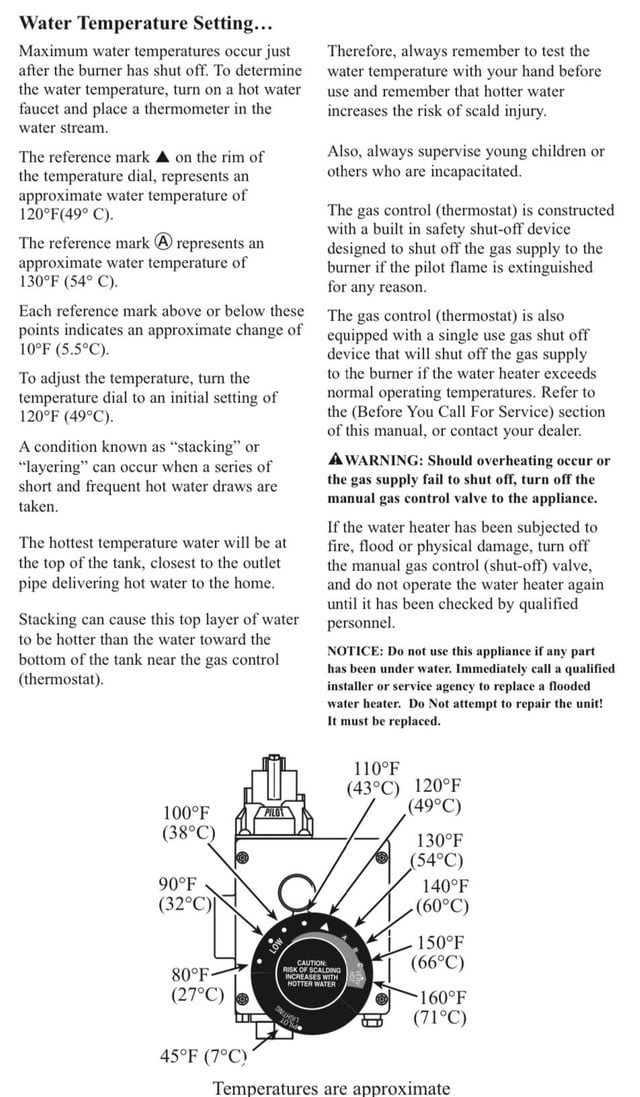
Have you ever wondered if your water heater’s pilot light should always be on? It’s a small flame, but it plays a big role in keeping your water warm and ready when you need it.
You might be asking yourself if turning it off saves energy, or if leaving it on could be dangerous. Understanding what’s best for your water heater can save you money, keep your home safe, and give you peace of mind.
Keep reading to discover the simple truth about your water heater’s pilot light and how it affects your daily life.
Pilot Light Basics
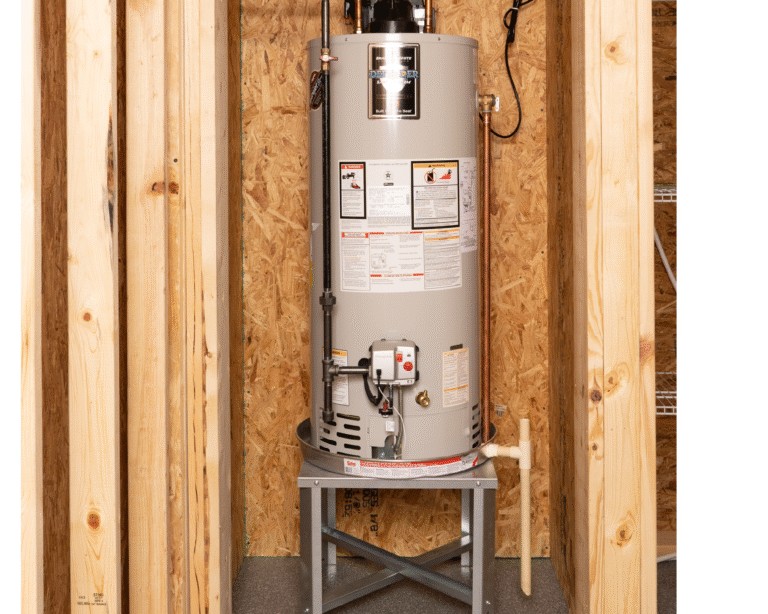
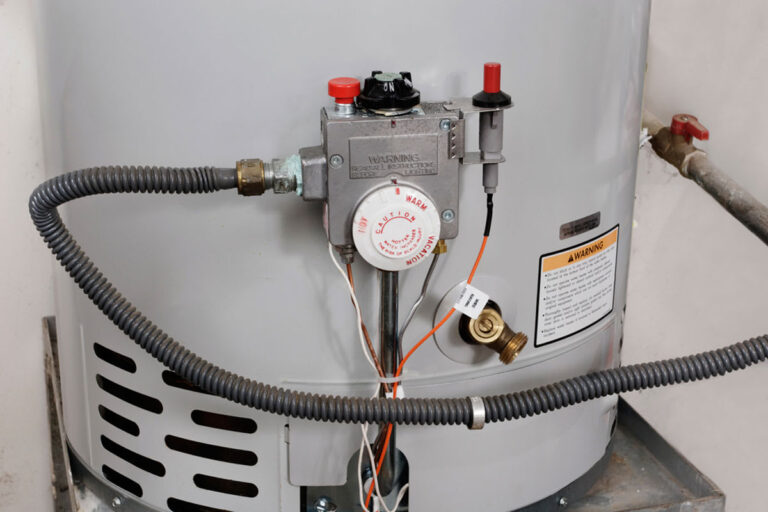
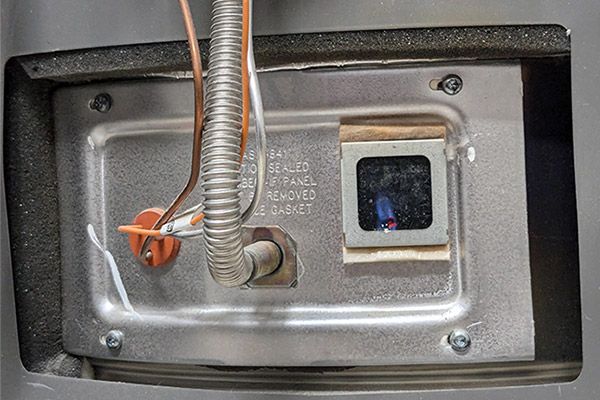
A pilot light is a small flame inside a water heater. It stays on to ignite the gas when hot water is needed. This tiny flame works like a starter for the heater.
The pilot light burns a little gas all the time. When you open a hot water tap, the gas valve senses it. Then, the valve lets more gas flow to the burner. The pilot light lights the burner, heating the water.
Without the pilot light, the water heater cannot start. It is important for safe and steady heating. If the pilot light goes out, the heater will not work until it is relit.
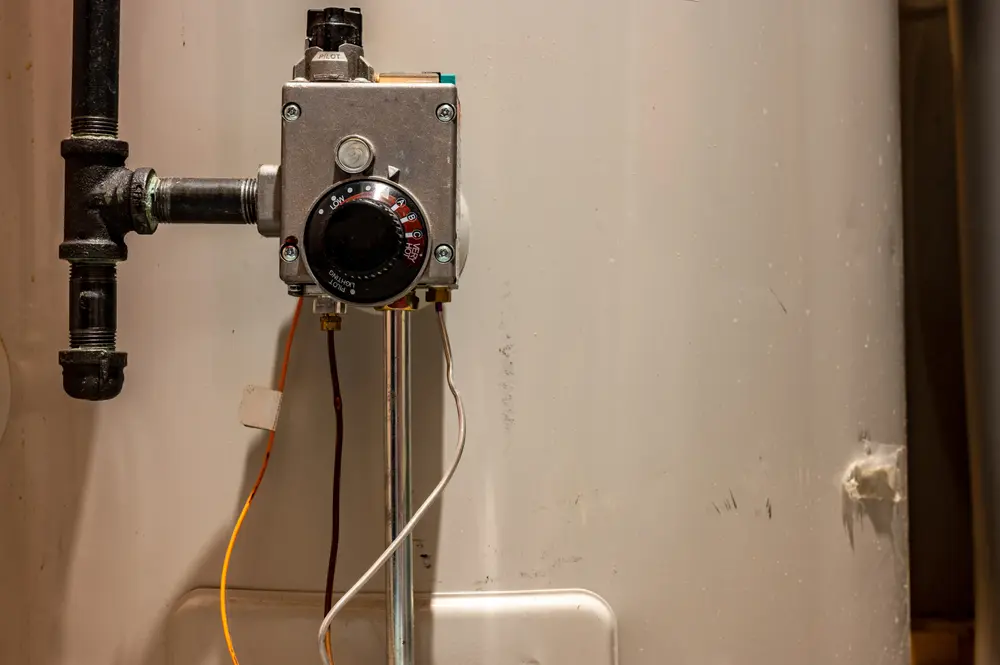
Credit: callrandazzo.com
Reasons To Keep Pilot Light On
Keeping the pilot light on means hot water is ready right away. No waiting for the water to heat saves time every day.
The pilot light helps prevent damage to the water heater system. It keeps parts working well and stops problems from starting.
Leaving the pilot light on helps the heater use energy more efficiently. It keeps the system stable and avoids wasting fuel.
When To Turn Pilot Light Off
Turning off the pilot light is smart during extended absences. It stops gas from burning when no one is home. This saves money and avoids waste.
Safety concerns also matter. If the pilot light flickers or smells like gas, turn it off. This prevents accidents and leaks. Always check for proper ventilation.
For energy savings, turning off the pilot light can help. It stops using gas when hot water is not needed. This lowers your utility bills.

Credit: www.acehiplumbing.com
Risks Of Leaving Pilot Light On
Gas leaks can happen if the pilot light is not working well. This can cause dangerous gas to fill the home. Gas leaks can lead to serious health problems or explosions.
Fire hazards increase with a pilot light left on all the time. A small flame near flammable materials might start a fire. Careful checks are needed to keep the area safe.
Energy waste happens because the pilot light uses gas continuously. This adds to higher utility bills. Turning it off when not needed saves money and energy.
Modern Alternatives
Electronic ignition systems do not need a pilot light. They use a small electric spark to light the burner. This saves energy because the flame is only on when heating water. These systems are very safe and reduce gas use.
Tankless water heaters heat water only when needed. They do not store hot water. This means no pilot light is needed. Water is heated quickly and saves space. These heaters can cut down on energy bills.
Credit: www.ebens.com
Tips For Pilot Light Maintenance
Regular inspections help keep the pilot light safe and working well. Check the pilot light every few months. Make sure the flame is steady and blue. A yellow or flickering flame means trouble.
Troubleshooting common issues includes cleaning the pilot light area. Dust and dirt can block the flame. If the pilot light won’t stay lit, the thermocouple might be dirty or broken. Sometimes, the gas valve needs adjusting or replacing.
When to call a professional is clear. If the pilot light won’t stay on after cleaning, or if you smell gas, stop and call an expert. Never try to fix gas leaks yourself. Safety is the top priority.
Frequently Asked Questions
Should The Pilot Light On A Water Heater Always Stay Lit?
Yes, the pilot light should remain lit to ensure the water heater functions properly. It ignites the gas burner to heat water efficiently and safely.
Can Turning Off The Pilot Light Save Energy?
Turning off the pilot light saves a small amount of gas but may cause inconvenience. Frequent relighting can also wear out components faster.
What Happens If The Pilot Light Goes Out?
If the pilot light goes out, the water heater won’t heat water. It can also cause gas buildup, which is dangerous without proper ventilation.
Is It Safe To Relight A Water Heater Pilot Light Yourself?
Yes, you can safely relight the pilot light by following the manufacturer’s instructions carefully. However, if unsure, it’s best to call a professional technician.
Conclusion
Keeping your water heater pilot light on saves time and energy. It ensures hot water is ready when you need it. Turning it off can save gas but may cause delays. Always check your heater’s manual for safety tips. Regular maintenance helps the pilot light work well.
Small steps keep your home safe and warm. Think about your usage before deciding. Safety first, comfort second. Choose what fits your needs best.