Is your Whirlpool water heater not heating water properly? You might be facing problems with the temperature sensor.
This small part plays a big role in keeping your water at the right temperature. When it malfunctions, you could end up with water that’s too hot, too cold, or no hot water at all. Understanding these sensor issues can save you time, money, and frustration.
Keep reading to learn how to spot the signs and fix the problem before it gets worse.
Credit: www.ebay.com
Common Sensor Issues
Whirlpool water heater temperature sensors can face several common problems. These sensor issues affect the water heater’s ability to maintain the correct temperature. Understanding these problems helps to identify and fix them quickly. Below are the common sensor issues you might encounter.
Faulty Readings
Faulty readings occur when the sensor gives incorrect temperature data. The heater may heat water too much or not enough. This problem causes discomfort and wastes energy. Dust, corrosion, or loose connections often cause faulty readings.
Intermittent Sensor Failures
Intermittent failures happen when the sensor works sometimes and fails at other times. This inconsistency makes the water temperature unpredictable. It can be due to wiring problems or sensor wear. These failures need careful checking to find the root cause.
Complete Sensor Malfunction
Complete malfunction means the sensor stops working entirely. The heater loses the ability to sense temperature. This issue can cause the water heater to stop heating or overheat. Replacing the sensor is usually necessary in this case.
Causes Of Sensor Problems
Whirlpool water heater temperature sensors can fail for several reasons. Understanding the causes helps in spotting problems early. It also aids in proper maintenance and repair. Below are common causes of sensor problems.
Wear And Tear
Temperature sensors face constant heat and cold cycles. Over time, this stress causes sensor parts to wear out. The sensor becomes less accurate or stops working. Regular use shortens the sensor’s lifespan. Replacing worn sensors keeps your water heater running well.
Electrical Connection Issues
Loose or damaged wiring can disrupt sensor signals. Poor connections cause false readings or no readings at all. Vibrations and movement inside the heater can loosen wires. Faulty electrical contacts lead to sensor failure. Checking and tightening connections prevents sensor problems.
Corrosion And Sediment Build-up
Water heaters often collect minerals and sediment inside the tank. These deposits can coat the sensor surface. Corrosion from moisture also damages sensor parts. Both reduce the sensor’s ability to measure temperature. Cleaning and flushing the heater help avoid this issue.
Symptoms Of Sensor Failure
The temperature sensor in a Whirlpool water heater plays a key role. It controls the water’s heat by sending temperature data to the unit. When this sensor fails, the water heater cannot work properly. Recognizing the signs of sensor failure helps avoid bigger problems.
Inconsistent Water Temperature
Water temperature that changes often is a common sign. One moment water feels hot. The next moment, it is cold or lukewarm. This happens because the sensor sends wrong information. The heater then adjusts heating wrongly. This causes uneven water temperature.
Water Too Hot Or Too Cold
Sometimes, water becomes too hot or too cold. The sensor might fail to tell the heater the right temperature. The heater may overheat water or not heat it enough. This problem wastes energy and can be unsafe.
Error Codes On Display
Many Whirlpool water heaters show error codes when a sensor problem occurs. These codes appear on the display panel. They help identify the sensor issue quickly. Checking the user manual can explain the meaning of each code. This helps decide the next step.

Credit: www.newlifethriftshop.com.au
Troubleshooting Steps
Troubleshooting Whirlpool water heater temperature sensor problems can save time and money. Start with simple steps to find the issue. These steps help identify sensor faults or connection problems. Follow each carefully for better results.
Checking Sensor Connections
First, turn off the water heater power. Locate the temperature sensor wires. Look for loose or damaged connections. Tighten any loose wires gently. Replace wires if they look worn out. Secure connections ensure proper sensor function.
Testing Sensor Resistance
Use a multimeter to check sensor resistance. Set the meter to the correct ohm range. Disconnect the sensor from the heater. Place meter probes on sensor terminals. Compare reading with the sensor’s manual values. Different readings mean the sensor may be faulty.
Resetting The Water Heater
Resetting can clear minor sensor errors. Find the reset button on the heater. Press and hold it for a few seconds. Release and wait for the heater to restart. Resetting often fixes sensor glitches and restores normal operation.
Repair And Replacement Options
Whirlpool water heater temperature sensor problems can cause water to be too hot or cold. Repair or replacement is necessary to fix these issues. Choosing the right option depends on your comfort with tools and the problem’s severity.
Some repairs you can do yourself. Other times, calling a professional is safer and faster. Costs vary based on parts and labor. Understanding your choices helps you make the best decision.
Replacing The Temperature Sensor
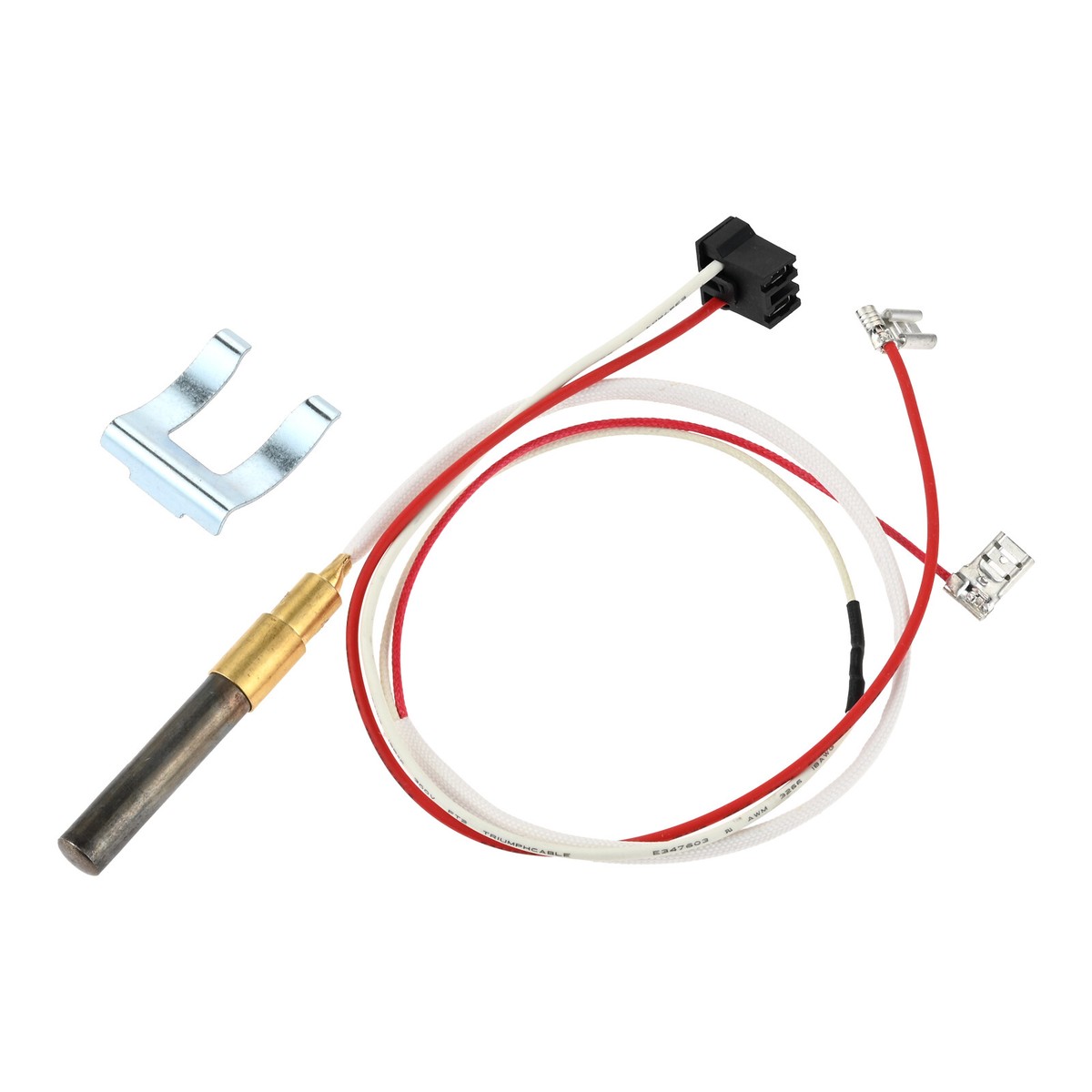
Replacing the temperature sensor is often a simple fix. Start by turning off power and water supply. Remove the old sensor carefully. Install the new sensor in the same spot. Make sure the connections are tight and secure. Turn power and water back on. Test the water temperature to check the repair.
Use the exact sensor model recommended for Whirlpool heaters. Avoid using cheap or generic parts. They may cause more problems later.
Hiring A Professional Technician
Some repairs need expert skills. A professional technician knows how to test sensors and diagnose issues. They can safely replace parts without damaging your heater. Hiring a pro saves time and worry. Professionals also offer warranties on their work.
Call a technician if you feel unsure about repairs. They use proper tools and follow safety rules. This helps avoid electrical shocks or water leaks.
Cost Considerations
Sensor replacement costs vary. The part itself usually costs between $20 and $50. Labor charges depend on the technician’s rates and your location. Expect to pay around $100 to $200 for professional service.
DIY repairs save money but require time and care. Mistakes can lead to bigger repairs later. Balance cost with your skills and safety before deciding. Investing in quality parts and professional help often reduces future expenses.
Preventive Maintenance Tips
Preventive maintenance helps keep your Whirlpool water heater running smoothly. It stops sensor issues before they start. Regular care improves safety and saves money. Follow these simple tips to avoid common temperature sensor problems.
Regular Sensor Inspection
Check the temperature sensor often for signs of wear. Look for cracks, corrosion, or loose wires. Clean the sensor with a soft cloth to remove dirt. Replace the sensor if it looks damaged. Regular checks help catch problems early.
Flushing The Water Heater
Flush your water heater every six months to remove sediment. Sediment buildup can block the sensor and cause false readings. Drain a few gallons of water from the tank until it runs clear. This keeps the sensor and heater working well.
Maintaining Electrical Components
Inspect all electrical connections linked to the sensor. Tighten loose wires and clean any corrosion. Use a multimeter to test for proper voltage. Faulty connections can cause sensor errors or heater failure. Keep electrical parts dry and secure for best results.

Credit: www.whirlpoolwaterheaters.com
Frequently Asked Questions
What Causes Whirlpool Water Heater Temperature Sensor Failure?
Whirlpool water heater sensor failure often results from mineral buildup or corrosion. Faulty wiring and power surges also cause sensor damage. Regular maintenance helps prevent these issues by keeping sensors clean and connections secure.
How To Test A Whirlpool Water Heater Temperature Sensor?
To test, turn off power and disconnect the sensor. Use a multimeter to check resistance. A faulty sensor shows irregular or no readings, indicating it needs replacement.
Can A Bad Temperature Sensor Cause Water Overheating?
Yes, a malfunctioning temperature sensor can cause overheating. It may send incorrect signals, preventing the heater from regulating water temperature properly, leading to safety risks.
How Do I Replace A Whirlpool Water Heater Temperature Sensor?
Turn off power and water supply first. Remove the old sensor carefully and install the new one in its place. Ensure connections are tight, then restore power and test functionality.
Conclusion
A faulty Whirlpool water heater temperature sensor can cause many problems. It may stop the heater from working properly. You might notice water that is too hot or too cold. Fixing or replacing the sensor can restore normal function. Regular checks help avoid sudden issues.
Pay attention to unusual signs early. This keeps your water heater safe and efficient. Simple care saves money and stress later. Don’t ignore sensor problems; act soon to keep warm water flowing.