Are you wondering how to choose the right flush pump size for your tankless water heater? Picking the correct pump size is key to keeping your system running smoothly and avoiding costly repairs.
If the pump is too small, it won’t clean your heater properly. Too big, and you could waste energy or damage the unit. You’ll discover exactly what size flush pump fits your tankless water heater and why it matters. Keep reading to make sure you get the best performance and longest life out of your system.
Why Flush Pump Size Matters
Flush pump size affects how well the heater works. A pump too small may not clean the heater fully. This can cause clogs and reduce water flow. A pump too large might waste energy and water.
Right pump size helps keep the heater energy efficient. It saves electricity and lowers bills. The heater runs smoother and uses less power.
Using the correct pump size also extends the life of the equipment. It prevents damage from too much pressure or poor cleaning. This means fewer repairs and longer use.
Credit: cgja.org
Key Factors In Choosing Pump Size
Flow rate is key for choosing a pump. It means how much water moves in one minute. The pump must match the heater’s flow rate to clean well.
Pump pressure is also important. It needs enough force to push water through the heater pipes. Too little pressure makes flushing slow and less effective.
Check compatibility with the heater model. Not all pumps work with every tankless water heater. The right pump fits the heater’s size and type.
Common Pump Sizes For Tankless Water Heaters
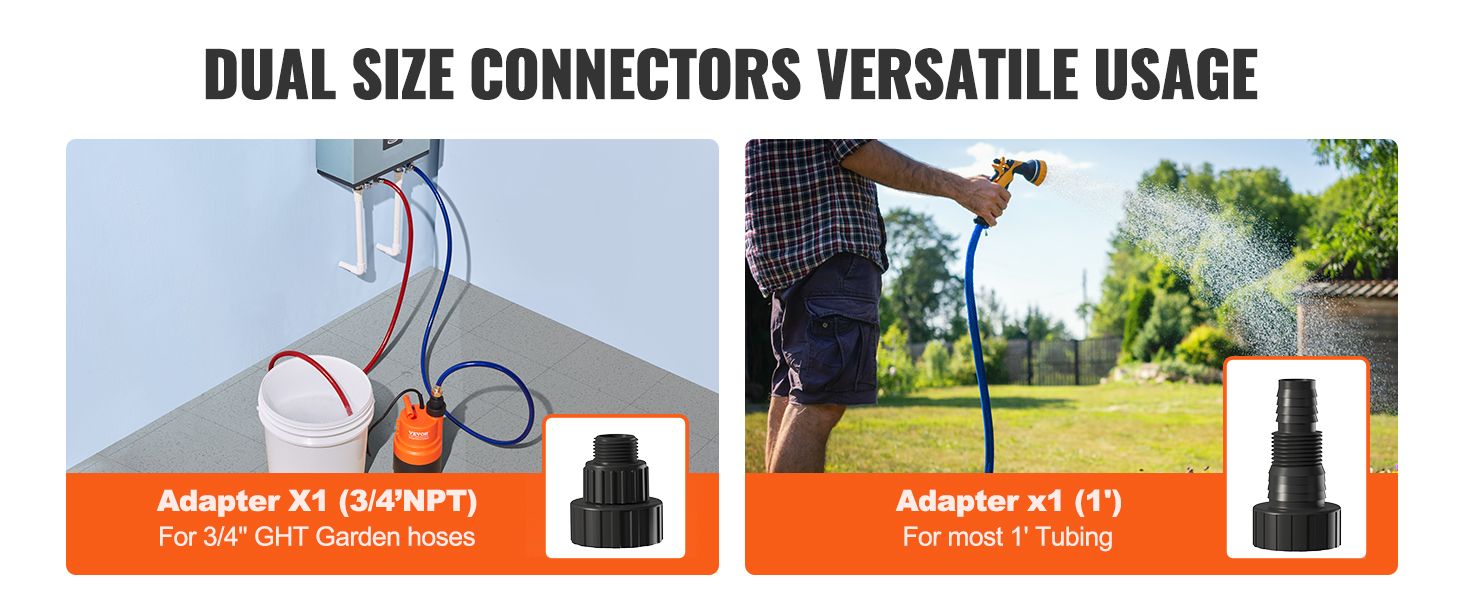
Small capacity pumps are best for home tankless water heaters. They usually have a flow rate of 1 to 3 gallons per minute (GPM). These pumps are easy to handle and use less power. Perfect for small flushing jobs or regular maintenance.
Medium capacity pumps handle flow rates between 3 and 6 GPM. They work well for larger homes or light commercial use. These pumps balance power and efficiency for most flushing needs.
High capacity pumps offer flow rates over 6 GPM. Ideal for commercial buildings or heavy-duty flushing. They move water fast and remove more debris quickly.
Calculating The Right Pump Size
Measure the flow rate needed to flush the tankless water heater. This is usually shown in gallons per minute (GPM). Use a flow meter or check the heater’s manual for the required flow.
Check the system resistance caused by pipes and valves. High resistance means the pump must work harder. Calculate the total pressure drop to find the right pump power.
Follow manufacturer guidelines closely. They give specific pump sizes for different heater models. This ensures safe and efficient flushing without damage.
Installation Tips For Optimal Efficiency
Place the pump close to the water heater for best flow. Keep it on a stable surface to avoid noise and vibration. Avoid spots where water can freeze or cause damage.
Avoid common mistakes like using the wrong pump size. Too small a pump lowers flow; too big wastes energy. Check all connections are tight to stop leaks. Follow the manufacturer’s instructions carefully for wiring and plumbing.
Regular cleaning keeps the pump working well. Remove any debris or scale inside the pump. Test the pump often to catch problems early. Replace worn parts on time to avoid bigger issues later.

Credit: www.icecreamfactoryny.com
Troubleshooting Pump Size Issues
Signs of undersized pumps include slow water flow and poor heating. The pump may run longer than usual. You might hear strange noises or feel vibrations. These signs show the pump struggles to move water properly.
Effects of oversized pumps are also a problem. They can cause noisy pipes and water hammer. The pump may use too much energy. It can wear out faster and cause leaks. Oversized pumps waste power and increase costs.
When to replace the pump depends on these issues. Frequent breakdowns or loud sounds mean replacement is needed. If the pump cannot keep the water hot, it may be time. Also, very old pumps lose efficiency and should be changed.
Energy Savings With Correct Pump Selection
Choosing the right pump size helps save energy and money. A pump that is too big uses more power than needed. A smaller pump may not clean the water heater well. The right size keeps the system running efficiently. This lowers electricity bills and reduces wear on parts.
Using the correct pump also helps the environment. It uses less energy, which means fewer greenhouse gases. This supports cleaner air and a healthier planet. Over time, saving energy means spending less on utilities.
Long-term, the right pump size means fewer repairs. It extends the life of the water heater and pump. This avoids costly replacements. Smart pump selection is a simple way to enjoy lower costs and less waste.

Credit: www.amazon.com
Frequently Asked Questions
What Size Flush Pump Is Needed For Tankless Water Heaters?
A 1/4 to 1/3 horsepower pump is ideal for flushing tankless water heaters. It ensures efficient flow without damaging the system.
How Does Flush Pump Size Affect Cleaning Efficiency?
Proper pump size maintains steady flow and pressure. Too large or small pumps can reduce cleaning effectiveness or harm the heater.
Can I Use A Standard Pump For Tankless Heater Flush?
Standard pumps may work but might lack optimal pressure control. A pump designed for tankless heaters ensures safe and thorough flushing.
Why Is Pump Size Important For Tankless Water Heater Maintenance?
Correct pump size prevents mineral buildup and extends heater life. It ensures proper descaling and avoids system damage during flushing.
Conclusion
Choosing the right flush pump size keeps your tankless water heater working well. A pump that fits helps clear out buildup fast and saves energy. Too small or too big can cause problems or waste power. Regular flushing with the correct pump size extends your heater’s life.
Keep your water hot and your system clean with the right tools. Simple steps make a big difference in performance and cost. Remember, the right pump size matters for smooth, efficient operation.